THE ADVENTURE COLLECTIVE® · Independent discovery and booking for outdoor travel

A 3–4 hour guided trek through Rau Forest Reserve takes you from spring-fed gullies into canopy corridors where colobus and blue monkeys roam. Expect conservation work at a tree nursery, cultural context from local guides, and an easy extension to nearby irrigated rice farms.
A 3–4 hour guided trek through Rau Forest Reserve takes you from spring-fed gullies into canopy corridors where colobus and blue monkeys roam. Expect conservation work at a tree nursery, cultural context from local guides, and an easy extension to nearby irrigated rice farms.
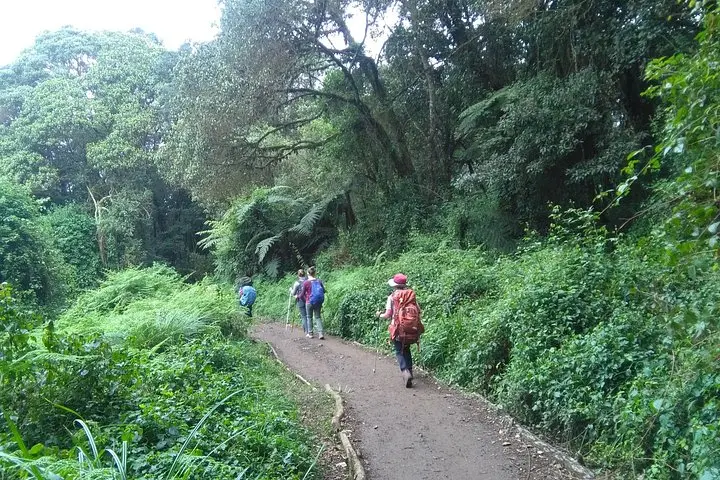
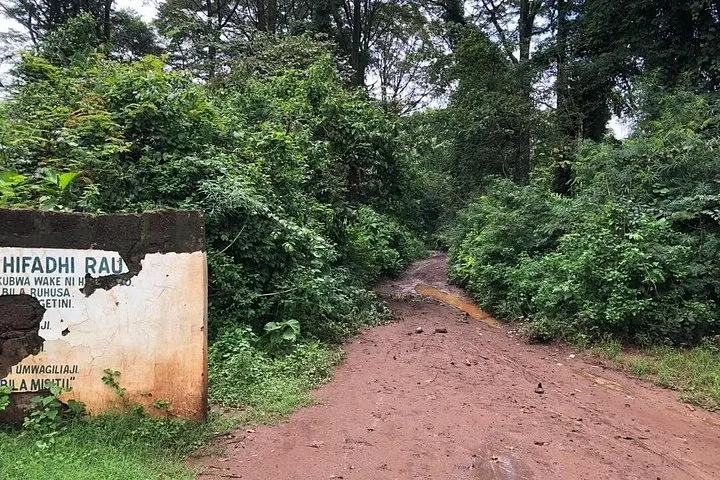
You step off the dusty lane and immediately the air cools—Rau’s canopy pulls sunlight into green shafts and the forest seems to breathe. Footfall on the damp trail, the low chatter of blue and black-and-white colobus monkeys, and the steady whisper of springs beneath your feet set the pace for this half-day hike just outside Moshi.
Verified experiences and guided adventures in the surrounding area.
Operated by Twende Africa Tours · Moshi, Kilimanjaro
You step off the dusty lane and immediately the air cools—Rau’s canopy pulls sunlight into green shafts and the forest seems to breathe. Footfall on the damp trail, the low chatter of blue and black-and-white colobus monkeys, and the steady whisper of springs beneath your feet set the pace for this half-day hike just outside Moshi.
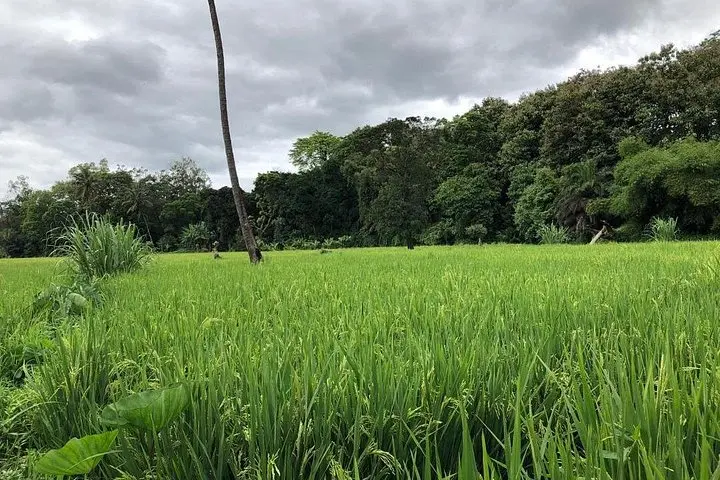
Geology and hydrology shape the reserve: Rau is an underground-water forest, feeding several natural springs that local farms rely on. The same trees whose bark is used in traditional medicine also stabilize soil above the aquifer, making the space both culturally significant and ecologically critical. Nearby rice plots extend across irrigated lowlands; you can continue from the forest edge to study the farmers’ irrigation channels that manage thousands of hectares.
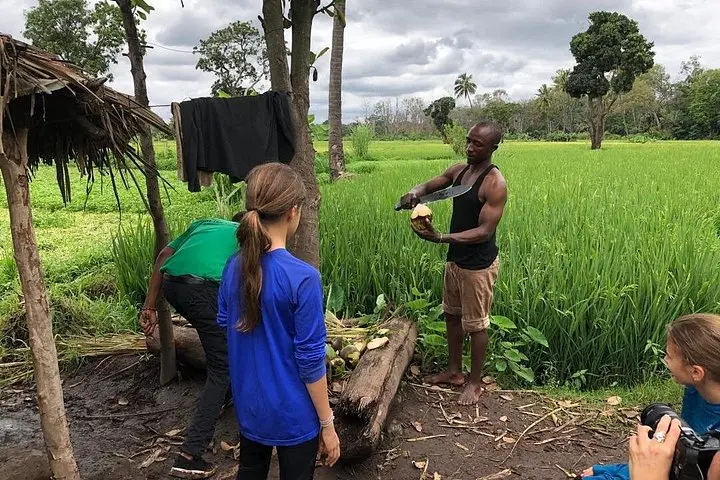
Culture here is hands-on—traditional healers still gather bark for remedies and some guides will explain local beliefs about protective trees. The reserve hosts conservation work: a tree nursery where visitors can spend 30–45 minutes watering seedlings or planting saplings to help restore degraded patches.
Practical guidance: the route is a moderate 3–4 hour loop on uneven, often muddy trails with short climbs and exposed roots—good trail shoes are essential. Start early to avoid midday heat and to catch primate activity. Bring 1–2 liters of water, insect protection, and rain layers in the wet season. Respect cultural sites and keep a distance from monkeys; do not feed wildlife. Guides are provided and local knowledge enriches both natural and human history on the trail.
The guided hike is about 3–4 hours and rated moderate—expect uneven, sometimes muddy terrain with short climbs; a moderate fitness level is recommended.
Yes—most tours include an optional 30–45 minute conservation activity in the tree nursery for watering or planting seedlings; bring gloves if you prefer.
You have a good chance to see black-and-white colobus and blue monkeys; sightings are common in canopy sections but never guaranteed—stay quiet and follow your guide’s instructions.
Natural springs exist but are not guaranteed safe without treatment; bring 1–2 liters of water or a filter for refills.
Twende Africa Tours operates guided outdoor trips and adventures with an emphasis on safety, stewardship, and memorable experiences.
You step off the dusty lane and immediately the air cools—Rau’s canopy pulls sunlight into green shafts and the forest seems to breathe. Footfall on the damp trail, the low chatter of blue and black-and-white colobus monkeys, and the steady whisper of springs beneath your feet set the pace for this half-day hike just outside Moshi.
You step off the dusty lane and immediately the air cools—Rau’s canopy pulls sunlight into green shafts and the forest seems to breathe. Footfall on the damp trail, the low chatter of blue and black-and-white colobus monkeys, and the steady whisper of springs beneath your feet set the pace for this half-day hike just outside Moshi.
Geology and hydrology shape the reserve: Rau is an underground-water forest, feeding several natural springs that local farms rely on. The same trees whose bark is used in traditional medicine also stabilize soil above the aquifer, making the space both culturally significant and ecologically critical. Nearby rice plots extend across irrigated lowlands; you can continue from the forest edge to study the farmers’ irrigation channels that manage thousands of hectares.
Culture here is hands-on—traditional healers still gather bark for remedies and some guides will explain local beliefs about protective trees. The reserve hosts conservation work: a tree nursery where visitors can spend 30–45 minutes watering seedlings or planting saplings to help restore degraded patches.
Practical guidance: the route is a moderate 3–4 hour loop on uneven, often muddy trails with short climbs and exposed roots—good trail shoes are essential. Start early to avoid midday heat and to catch primate activity. Bring 1–2 liters of water, insect protection, and rain layers in the wet season. Respect cultural sites and keep a distance from monkeys; do not feed wildlife. Guides are provided and local knowledge enriches both natural and human history on the trail.