THE ADVENTURE COLLECTIVE® · Independent discovery and booking for outdoor travel

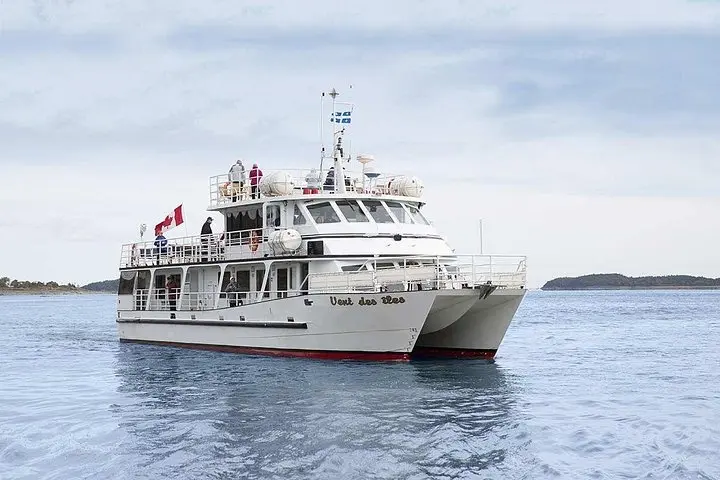
Board a half-day cruise from Québec City to the Isle-aux-Grues archipelago and watch thousands of razorbills—locally called "little penguins"—arrive to nest. Expect brisk sea air, dramatic rocky islets, and close naturalist-led viewing in spring.
Board a half-day cruise from Québec City to the Isle-aux-Grues archipelago and watch thousands of razorbills—locally called "little penguins"—arrive to nest. Expect brisk sea air, dramatic rocky islets, and close naturalist-led viewing in spring.
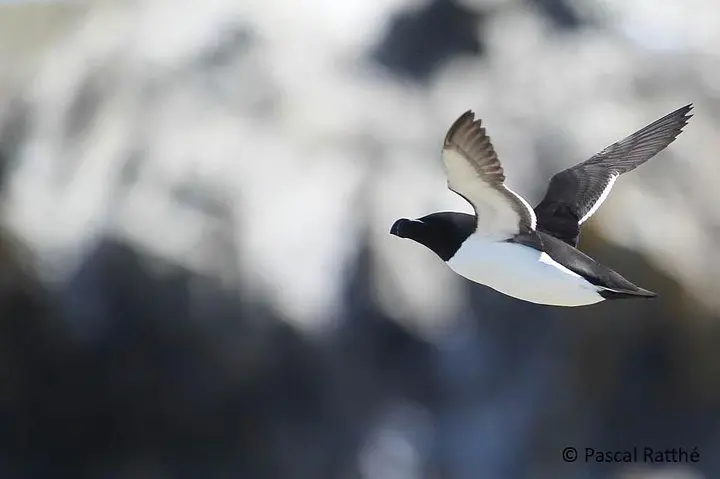
The boat eases away from the quay and the St. Lawrence breathes under the hull—cold, wide, and urgent. Gulls wheel and the river seems to push you toward a chain of rocky islets where thousands of razorbills (locally called "pingouins torda") gather each spring to breed. The birds ride the wind with sharp, purposeful dives; their dark backs and white flanks flicker like punctuation marks along low cliffs.
Verified experiences and guided adventures in the surrounding area.
Operated by Croisieres AML · Québec City, Quebec
The boat eases away from the quay and the St. Lawrence breathes under the hull—cold, wide, and urgent. Gulls wheel and the river seems to push you toward a chain of rocky islets where thousands of razorbills (locally called "pingouins torda") gather each spring to breed. The birds ride the wind with sharp, purposeful dives; their dark backs and white flanks flicker like punctuation marks along low cliffs.
These islets are shaped by glacial scouring and tidal forces: ledges of Laurentian bedrock broken into compact colonies of nesting birds. Indigenous peoples and later Acadian and Québécois fishing communities have long used the river's islands for seasonal harvests and shelter; today small island villages keep a quiet, maritime culture centered on boats, local crafts, and hardy food traditions.
Expect wide water views, rocky shorelines dotted with nesting alcids, and a steady spray of salt in the air. The cruise spends concentrated time near Isle-aux-Grues archipelago; naturalists often point out razorbills, common eiders, and the odd harbor seal hauled out on ledges.
Practicalities: the trip runs about 4.5 hours—plan for a half-day. Dress in windproof layers, bring binoculars and a camera with a zoom lens, and include motion-sickness remedies if you’re sensitive. Follow guide instructions: keep voices low near colonies, stay on deck areas assigned by crew, and never try to approach or feed wildlife. Boats may cancel in high winds or heavy ice; check weather and arrive early to collect your boarding pass.
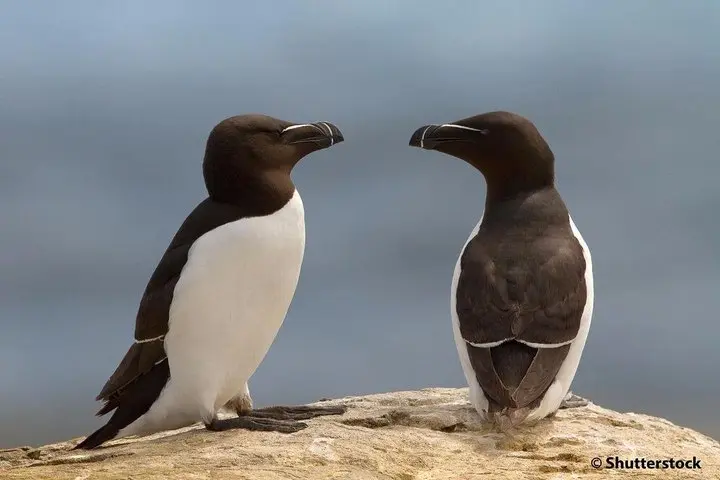
No—local guides use the term "little penguins" colloquially; the birds are razorbills (Alca torda), an Atlantic auk that breeds on rocky islets.
Yes—infants can ride in strollers up to boarding, but infants must sit on an adult’s lap during the cruise per operator rules.
Trips can be canceled for safety in high winds, heavy fog, or ice; the operator offers full refunds for cancellations at least 24 hours ahead or when weather prevents sailing.
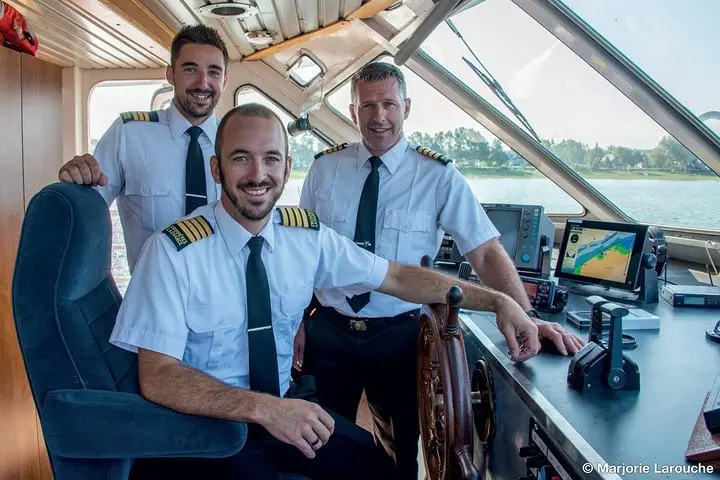
The captain positions the vessel for respectful viewing at safe distances; passengers can expect good visibility but must remain on designated decks to avoid disturbing birds.
Croisieres AML operates guided outdoor trips and adventures with an emphasis on safety, stewardship, and memorable experiences.
The boat eases away from the quay and the St. Lawrence breathes under the hull—cold, wide, and urgent. Gulls wheel and the river seems to push you toward a chain of rocky islets where thousands of razorbills (locally called "pingouins torda") gather each spring to breed. The birds ride the wind with sharp, purposeful dives; their dark backs and white flanks flicker like punctuation marks along low cliffs.
The boat eases away from the quay and the St. Lawrence breathes under the hull—cold, wide, and urgent. Gulls wheel and the river seems to push you toward a chain of rocky islets where thousands of razorbills (locally called "pingouins torda") gather each spring to breed. The birds ride the wind with sharp, purposeful dives; their dark backs and white flanks flicker like punctuation marks along low cliffs.
These islets are shaped by glacial scouring and tidal forces: ledges of Laurentian bedrock broken into compact colonies of nesting birds. Indigenous peoples and later Acadian and Québécois fishing communities have long used the river's islands for seasonal harvests and shelter; today small island villages keep a quiet, maritime culture centered on boats, local crafts, and hardy food traditions.
Expect wide water views, rocky shorelines dotted with nesting alcids, and a steady spray of salt in the air. The cruise spends concentrated time near Isle-aux-Grues archipelago; naturalists often point out razorbills, common eiders, and the odd harbor seal hauled out on ledges.
Practicalities: the trip runs about 4.5 hours—plan for a half-day. Dress in windproof layers, bring binoculars and a camera with a zoom lens, and include motion-sickness remedies if you’re sensitive. Follow guide instructions: keep voices low near colonies, stay on deck areas assigned by crew, and never try to approach or feed wildlife. Boats may cancel in high winds or heavy ice; check weather and arrive early to collect your boarding pass.