THE ADVENTURE COLLECTIVE® · Independent discovery and booking for outdoor travel

Push off the valley lip on the Bali Swing, then trade adrenaline for temple-side macaques and handcrafted markets in a single full day. This combined swing and Ubud tour mixes high thrills with cultural stops and practical logistics for a long but manageable day.
Push off the valley lip on the Bali Swing, then trade adrenaline for temple-side macaques and handcrafted markets in a single full day. This combined swing and Ubud tour mixes high thrills with cultural stops and practical logistics for a long but manageable day.
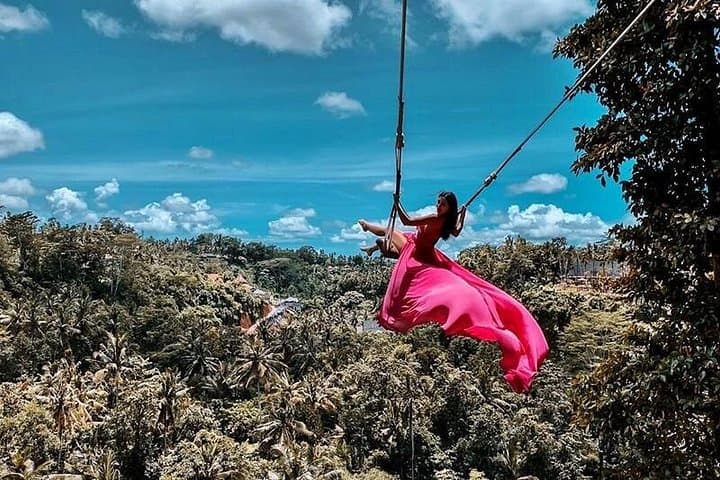
Morning light slices between palms as the swing operator straps you in and the valley seems to hold its breath. The Real Bali Swing sends you out over a steep, vegetated hollow—wind pulls at your frame and the rice terraces and jungle answer, daring you farther. That first arc is more than a photo; it’s a quick, thrilling way to read the contours of Bali’s volcanic highlands.
Verified experiences and guided adventures in the surrounding area.
Operated by Bali Magic Tour · Ubud, Bali
Morning light slices between palms as the swing operator straps you in and the valley seems to hold its breath. The Real Bali Swing sends you out over a steep, vegetated hollow—wind pulls at your frame and the rice terraces and jungle answer, daring you farther. That first arc is more than a photo; it’s a quick, thrilling way to read the contours of Bali’s volcanic highlands.
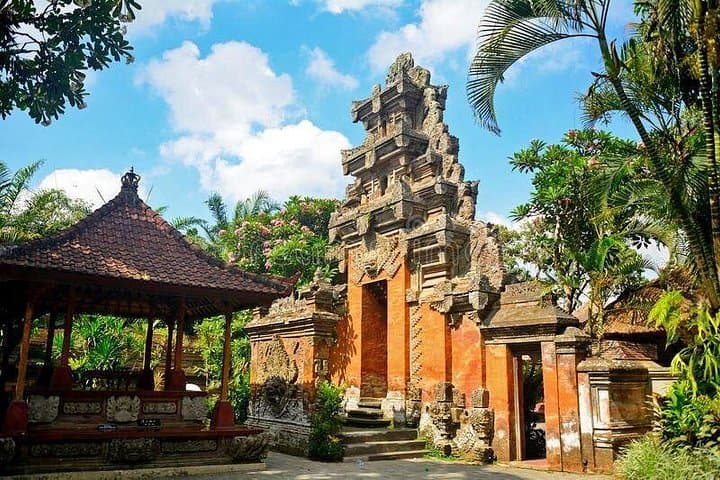
The swing sits near Ubud, in an area shaped by volcanic soil and centuries of subak rice irrigation. Ubud itself evolved from a royal court and artists’ enclave into a cultural hub; nearby Wanara Wana (Monkey Forest) preserves both sacred temples and long-tailed macaques that move like small, opinionated residents. The combination of engineered attractions (swings, bird nests, photo platforms) and living temple forest gives a clear view of how contemporary tourism and local ritual coexist here.
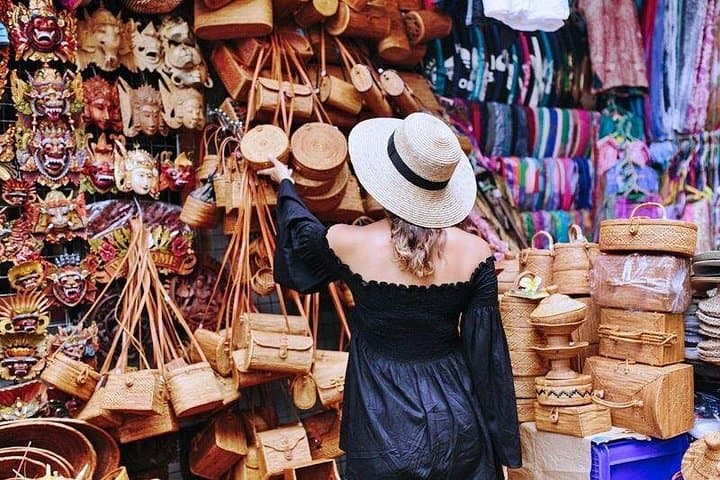
Practical side: expect a full 10–11 hour day including private transport, a 2.5-hour swing session with multiple swing types and an included lunch, then stops at the Monkey Forest, Ubud Palace and the art market. Bring a compact daypack, check camera straps (monkeys are curious), and budget time for bargaining in the market. The terrain is short stair sections and uneven paths—not technical, but wear grippy shoes.
Timing matters: early light is best for photos and cooler air; mid-afternoon in the Monkey Forest is busier. Respect temple signs, keep food secured from macaques, and leave with both adrenaline and an appreciation for Bali's living cultural landscape.
The Real Bali Swing segment is scheduled for about 2.5 hours and includes multiple swing types and photo platforms.
Visits are typically self-guided within the Monkey Forest and Ubud sites, though your driver will provide timing and basic guidance.
Children can participate but close supervision is required; the operator advises against the swing for guests with spinal or serious cardiovascular conditions.
Price commonly includes private transport, entrance tickets to scheduled stops, lunch at the swing resto, local taxes and hotel pickup/drop-off in specified areas.
Bali Magic Tour operates guided outdoor trips and adventures with an emphasis on safety, stewardship, and memorable experiences.

Morning light slices between palms as the swing operator straps you in and the valley seems to hold its breath. The Real Bali Swing sends you out over a steep, vegetated hollow—wind pulls at your frame and the rice terraces and jungle answer, daring you farther. That first arc is more than a photo; it’s a quick, thrilling way to read the contours of Bali’s volcanic highlands.
Morning light slices between palms as the swing operator straps you in and the valley seems to hold its breath. The Real Bali Swing sends you out over a steep, vegetated hollow—wind pulls at your frame and the rice terraces and jungle answer, daring you farther. That first arc is more than a photo; it’s a quick, thrilling way to read the contours of Bali’s volcanic highlands.
The swing sits near Ubud, in an area shaped by volcanic soil and centuries of subak rice irrigation. Ubud itself evolved from a royal court and artists’ enclave into a cultural hub; nearby Wanara Wana (Monkey Forest) preserves both sacred temples and long-tailed macaques that move like small, opinionated residents. The combination of engineered attractions (swings, bird nests, photo platforms) and living temple forest gives a clear view of how contemporary tourism and local ritual coexist here.
Practical side: expect a full 10–11 hour day including private transport, a 2.5-hour swing session with multiple swing types and an included lunch, then stops at the Monkey Forest, Ubud Palace and the art market. Bring a compact daypack, check camera straps (monkeys are curious), and budget time for bargaining in the market. The terrain is short stair sections and uneven paths—not technical, but wear grippy shoes.
Timing matters: early light is best for photos and cooler air; mid-afternoon in the Monkey Forest is busier. Respect temple signs, keep food secured from macaques, and leave with both adrenaline and an appreciation for Bali's living cultural landscape.