THE ADVENTURE COLLECTIVE® · Independent discovery and booking for outdoor travel

REAL BODIES at Horseshoe Las Vegas offers a focused, educational look at human anatomy through preserved specimens and immersive galleries. Expect 60–120 minutes of visually arresting displays that blend science, culture and ethical reflection.
REAL BODIES at Horseshoe Las Vegas offers a focused, educational look at human anatomy through preserved specimens and immersive galleries. Expect 60–120 minutes of visually arresting displays that blend science, culture and ethical reflection.
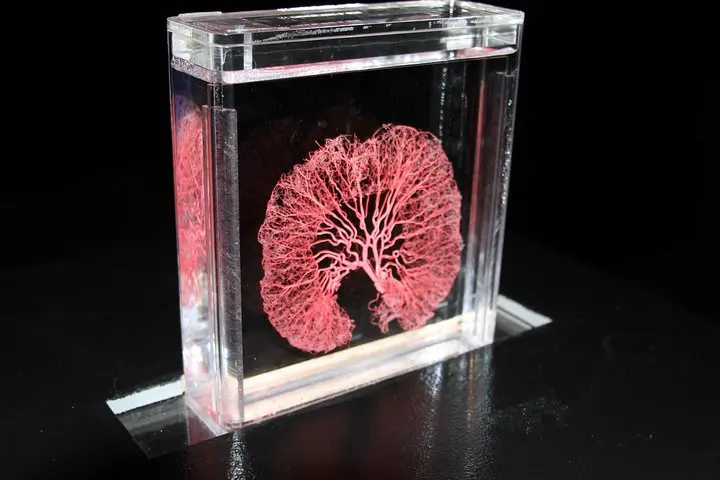
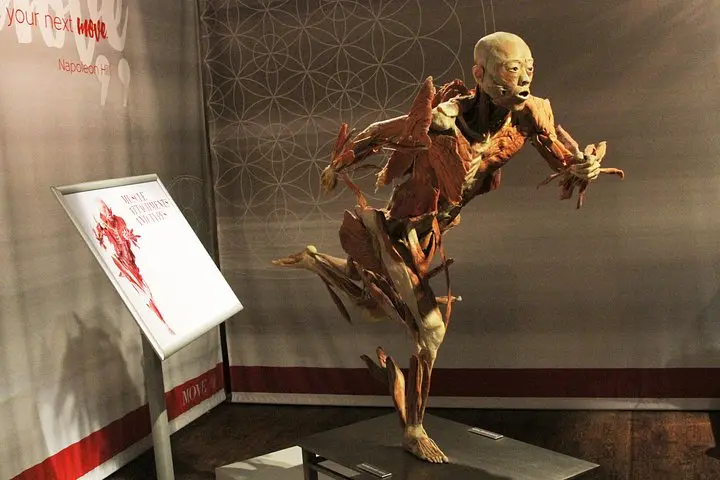
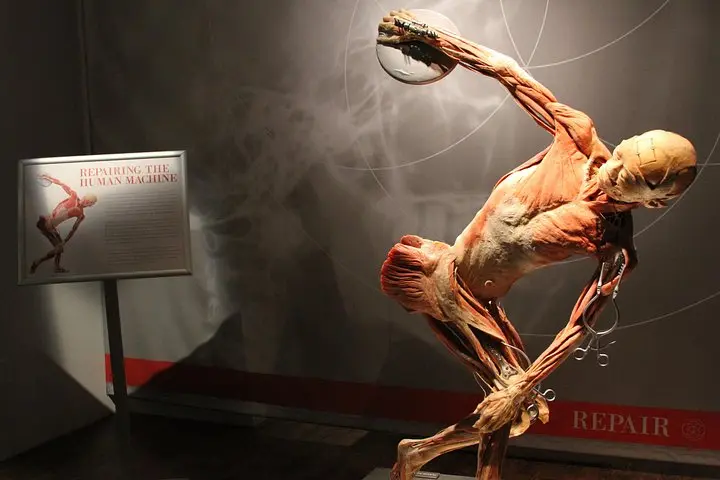
You step off the Strip’s hum and into a dim gallery where light traces the contours of bone and muscle; the room hushes and the bodies seem to hold their breath. REAL BODIES at Horseshoe Las Vegas presents preserved human specimens in posed arrangements that prompt curiosity rather than squeamishness.
Verified experiences and guided adventures in the surrounding area.
Operated by Caesars Entertainment · Las Vegas, Nevada
You step off the Strip’s hum and into a dim gallery where light traces the contours of bone and muscle; the room hushes and the bodies seem to hold their breath. REAL BODIES at Horseshoe Las Vegas presents preserved human specimens in posed arrangements that prompt curiosity rather than squeamishness.
The exhibition traces modern preservation techniques—most notably plastination—and brings together anatomical science with cultural interpretation. The displays invite viewers to read the body as both biological system and social object, linking clinical detail with stories about movement, work and mortality. The venue sits on the historic Las Vegas Strip, where casino lights and desert heat shape the city’s culture; inside the exhibit the pace slows to inspection and thought.
Geologically, you’re still in the Mojave’s basin, where arid winds carve resilience into the landscape outside; culturally, the Strip’s blend of spectacle and study creates an unlikely context for an anatomy gallery that asks visitors to confront what it means to be human.
Practical guidance: plan 60–120 minutes. The exhibit is wheelchair accessible and suited to most fitness levels, but content is explicit—consider age and sensitivities before visiting. Photography rules vary by installation; avoid flash and follow staff instructions. Visit earlier in the day or near closing to avoid peak crowds, and use public transit or ride-share—Strip parking and traffic can add time to your visit.
Treat the specimens with respect: observe, read the panels, and allow the quiet to do its work—this is equal parts science lesson and cultural prompt.
Expect 60–120 minutes depending on how deeply you read labels and view specimens; the standard visit is about one hour.
Content is explicit anatomical material; while physically accessible, discretion is advised for young children and sensitive visitors.
Photography policies vary by installation—non-flash photography is often permitted but confirm with staff on arrival and follow signage.
Yes—REAL BODIES at Horseshoe Las Vegas reports wheelchair and stroller accessibility for all areas and surfaces.
Caesars Entertainment operates guided outdoor trips and adventures with an emphasis on safety, stewardship, and memorable experiences.
You step off the Strip’s hum and into a dim gallery where light traces the contours of bone and muscle; the room hushes and the bodies seem to hold their breath. REAL BODIES at Horseshoe Las Vegas presents preserved human specimens in posed arrangements that prompt curiosity rather than squeamishness.
You step off the Strip’s hum and into a dim gallery where light traces the contours of bone and muscle; the room hushes and the bodies seem to hold their breath. REAL BODIES at Horseshoe Las Vegas presents preserved human specimens in posed arrangements that prompt curiosity rather than squeamishness.
The exhibition traces modern preservation techniques—most notably plastination—and brings together anatomical science with cultural interpretation. The displays invite viewers to read the body as both biological system and social object, linking clinical detail with stories about movement, work and mortality. The venue sits on the historic Las Vegas Strip, where casino lights and desert heat shape the city’s culture; inside the exhibit the pace slows to inspection and thought.
Geologically, you’re still in the Mojave’s basin, where arid winds carve resilience into the landscape outside; culturally, the Strip’s blend of spectacle and study creates an unlikely context for an anatomy gallery that asks visitors to confront what it means to be human.
Practical guidance: plan 60–120 minutes. The exhibit is wheelchair accessible and suited to most fitness levels, but content is explicit—consider age and sensitivities before visiting. Photography rules vary by installation; avoid flash and follow staff instructions. Visit earlier in the day or near closing to avoid peak crowds, and use public transit or ride-share—Strip parking and traffic can add time to your visit.
Treat the specimens with respect: observe, read the panels, and allow the quiet to do its work—this is equal parts science lesson and cultural prompt.