THE ADVENTURE COLLECTIVE® · Independent discovery and booking for outdoor travel

Head north from Amsterdam for a full day among dunes, bulb farms, and naval history. Explore Napoleonic fortresses, step inside a Cold War submarine, and walk dike-top paths that show the Netherlands’ relationship with the sea.
Head north from Amsterdam for a full day among dunes, bulb farms, and naval history. Explore Napoleonic fortresses, step inside a Cold War submarine, and walk dike-top paths that show the Netherlands’ relationship with the sea.
A low, wind-carved ridge of dunes rises as the bus leaves Amsterdam; salt air and the occasional reed bed start to define the horizon. On this full-day outing you trade canals for open sky, cycling lanes for endless polder and the metallic hush of a Cold War submarine.
Verified experiences and guided adventures in the surrounding area.
Operated by Maresia Tours · Den Helder, North Holland
A low, wind-carved ridge of dunes rises as the bus leaves Amsterdam; salt air and the occasional reed bed start to define the horizon. On this full-day outing you trade canals for open sky, cycling lanes for endless polder and the metallic hush of a Cold War submarine.
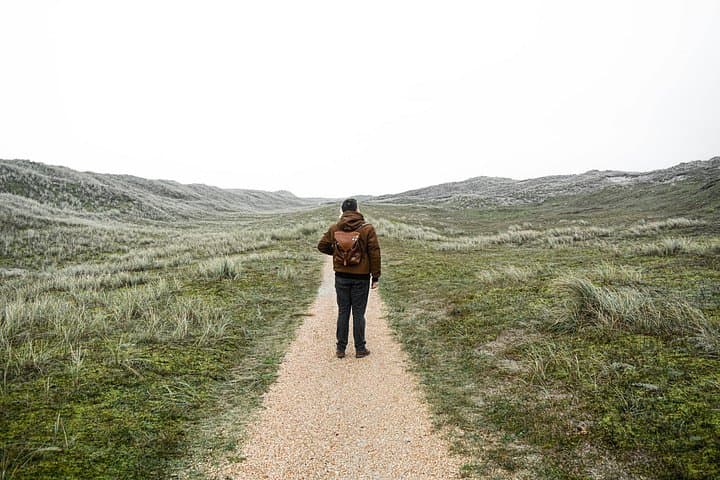
Geology here is recent by European standards—the dunes are wind-built barriers that hold back the North Sea while the polders behind them lie literally below sea level. Human engineering and military history overlap: Napoleonic fortifications and WWII bunkers pepper the shoreline while Willemsoord in nearby Den Helder records the Dutch navy’s industrial past.
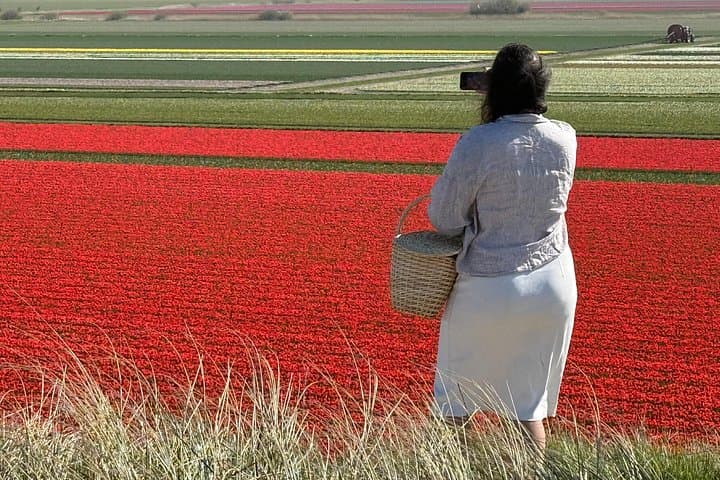
Culturally the region is pragmatic and maritime. You’ll see working windmills, bulb fields—spectacular in spring—and fishermen’s towns where architecture favors function. Guides point out how dikes, sluices, and canals like the Noordhollandsch Kanaal shaped modern Dutch life.
Practically: expect a 9–10 hour day with short walks on mostly flat terrain, some uneven dune paths, and stair access inside maritime sites. The submarine visit involves tight spaces and steps; it’s optional and not wheelchair accessible. Stow a light windproof layer, sensible shoes, water, and a camera with a telephoto if you want seals or birdlife. Timing matters—spring brings tulip fields, summer offers long daylight and beach weather, while autumn and winter emphasize blustery dune scenery and dramatic skies.
This trip suits travelers who want history and landscape in a single day without demanding hikes—an accessible, tactile way to see how the Dutch shape and defend their lowland world.
The tour lasts about 9–10 hours (approximately 570 minutes) and departs from central Amsterdam; roundtrip transport is provided in an air-conditioned vehicle.
No—the submarine has confined spaces and steep ladders; parts of the tour are wheelchair and stroller accessible, but the submarine is not.
Tulip timing is seasonal—greenhouse displays start in February, fields peak from mid-April to mid-May; outside those windows you’ll still see bulb farm operations and wide agricultural views.
There are scheduled stops with cafes and restroom access, and short walking segments where facilities may be limited—bring snacks if you prefer.
Maresia Tours operates guided outdoor trips and adventures with an emphasis on safety, stewardship, and memorable experiences.


A low, wind-carved ridge of dunes rises as the bus leaves Amsterdam; salt air and the occasional reed bed start to define the horizon. On this full-day outing you trade canals for open sky, cycling lanes for endless polder and the metallic hush of a Cold War submarine.
A low, wind-carved ridge of dunes rises as the bus leaves Amsterdam; salt air and the occasional reed bed start to define the horizon. On this full-day outing you trade canals for open sky, cycling lanes for endless polder and the metallic hush of a Cold War submarine.
Geology here is recent by European standards—the dunes are wind-built barriers that hold back the North Sea while the polders behind them lie literally below sea level. Human engineering and military history overlap: Napoleonic fortifications and WWII bunkers pepper the shoreline while Willemsoord in nearby Den Helder records the Dutch navy’s industrial past.
Culturally the region is pragmatic and maritime. You’ll see working windmills, bulb fields—spectacular in spring—and fishermen’s towns where architecture favors function. Guides point out how dikes, sluices, and canals like the Noordhollandsch Kanaal shaped modern Dutch life.
Practically: expect a 9–10 hour day with short walks on mostly flat terrain, some uneven dune paths, and stair access inside maritime sites. The submarine visit involves tight spaces and steps; it’s optional and not wheelchair accessible. Stow a light windproof layer, sensible shoes, water, and a camera with a telephoto if you want seals or birdlife. Timing matters—spring brings tulip fields, summer offers long daylight and beach weather, while autumn and winter emphasize blustery dune scenery and dramatic skies.
This trip suits travelers who want history and landscape in a single day without demanding hikes—an accessible, tactile way to see how the Dutch shape and defend their lowland world.