THE ADVENTURE COLLECTIVE® · Independent discovery and booking for outdoor travel

Join Dr. Nora Rubel and the Museum at Eldridge Street for a live virtual discussion about how The Settlement Cook Book shaped Jewish American identity. Perfect for food historians, home cooks, and travelers who want to connect recipes to the city's immigrant past.
Join Dr. Nora Rubel and the Museum at Eldridge Street for a live virtual discussion about how The Settlement Cook Book shaped Jewish American identity. Perfect for food historians, home cooks, and travelers who want to connect recipes to the city's immigrant past.
Book with Museum at Eldridge Street
Verified experiences and guided adventures in the surrounding area.
Operated by Museum at Eldridge Street · New York, NY
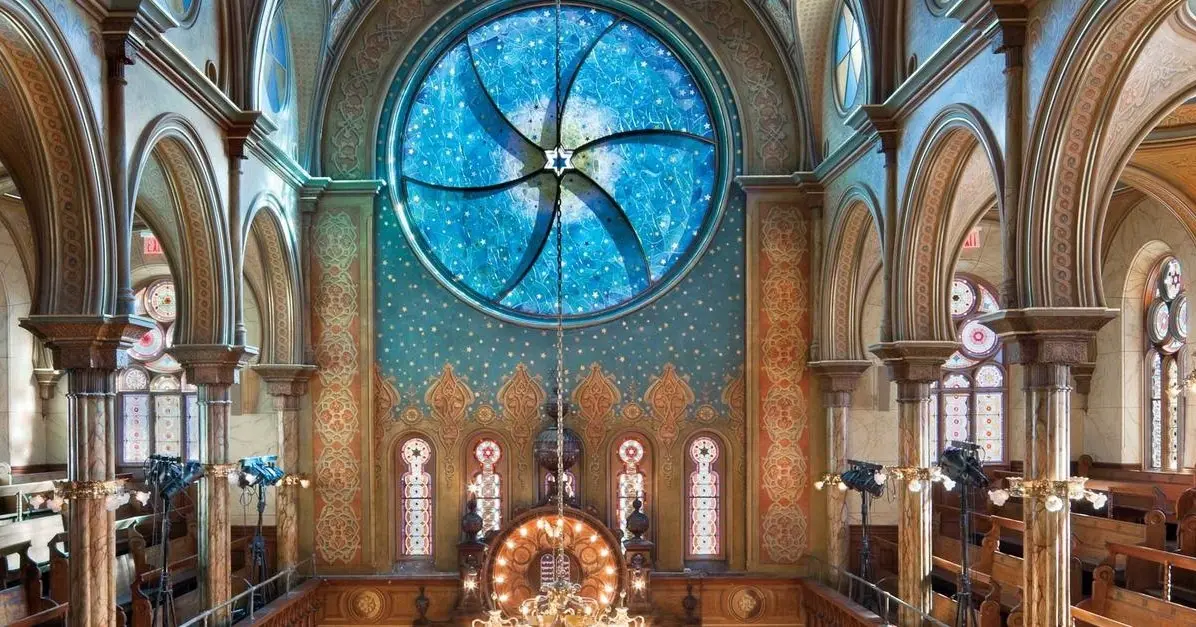
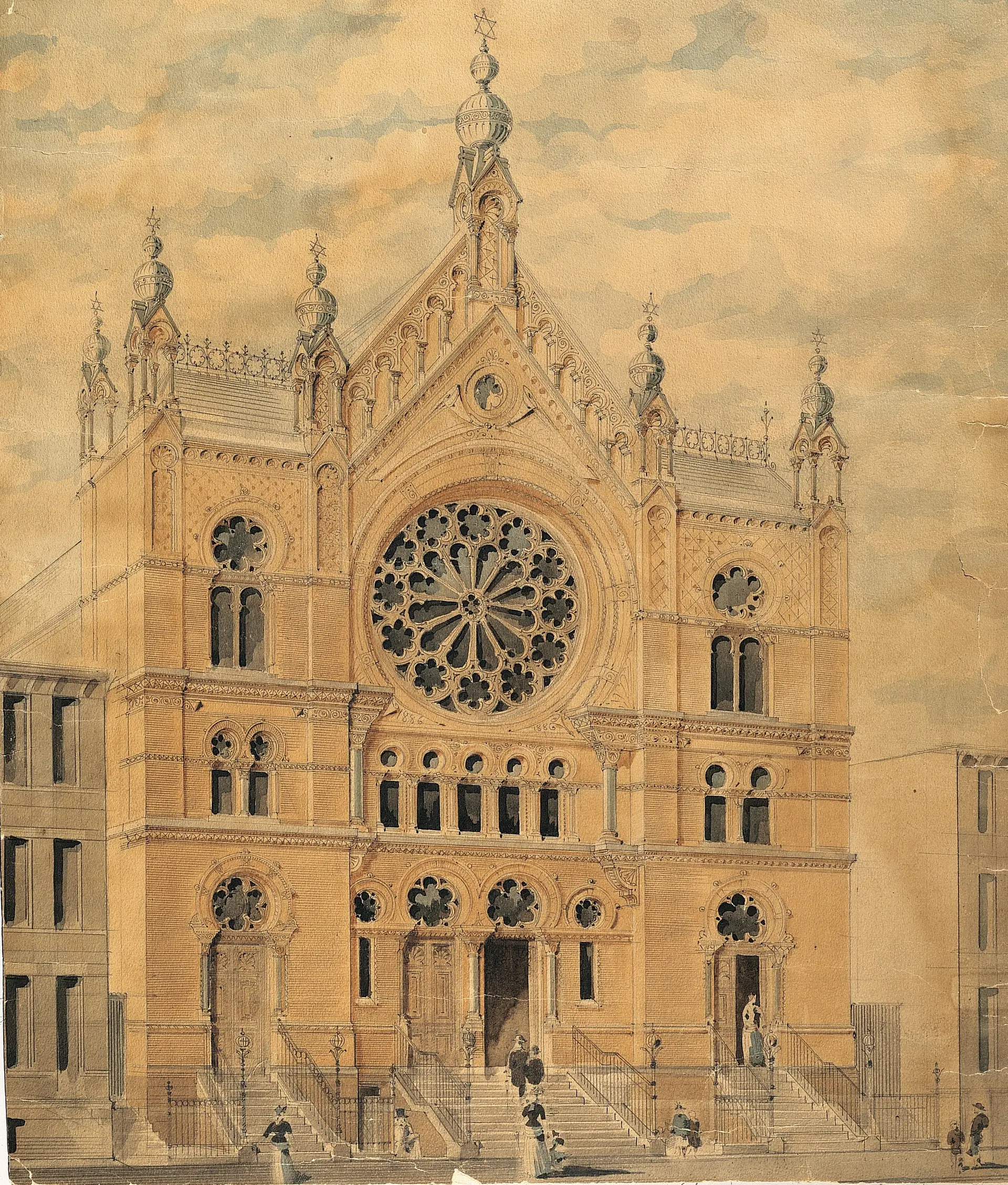
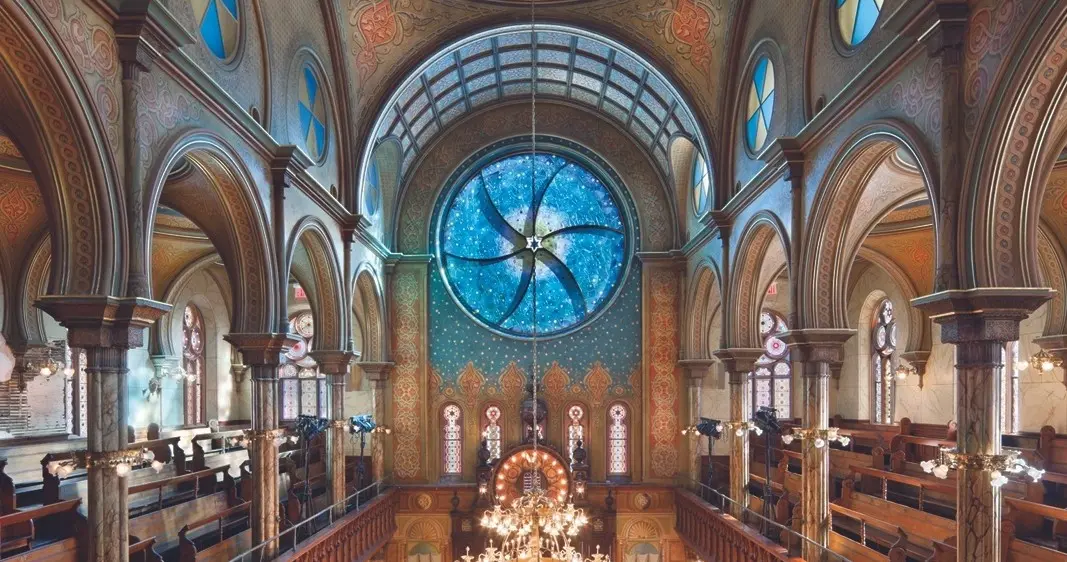
Perched on the Lower East Side of Manhattan, the Museum at Eldridge Street brings a surprising, storied quiet to a neighborhood known for its noise and bustle. The museum occupies the Eldridge Street Synagogue, a National Historic Landmark opened in 1887 and restored to reveal its painted sanctuary, stained-glass windows, and carved details. This virtual book talk, led by Dr. Nora Rubel, uses that history as a lens: the subject is The Settlement Cook Book, a practical cookbook first compiled in 1901 by Lizzie Black Kander to teach immigrant women how to prepare nutritious, affordable meals. Rubel’s book, Recipes for the Melting Pot, traces forty editions of the cookbook and the ways food shaped Jewish American identity across waves of immigration, shifting gender roles, and suburban migration. Attending this program—available on Zoom—means you’re joining a long conversation about culture, domestic life, and the everyday tools of assimilation and resistance. The Museum at Eldridge Street is an especially fitting host; its restored sanctuary and interpretive exhibits connect the domestic practices in kitchens to the public life of a community that made this building its landmark. Expect close reading of editions and recipes, archival anecdotes about immigrant households, and reflections on how a charitable cookbook became an anchor in Jewish American homes from the city to the suburbs. Why book this when you’re visiting New York? For travelers interested in foodways, migration history, or the material culture of American identity, the talk links a compact object—the cookbook—to broader urban histories you can explore on foot. Pair the event with a tour of the synagogue’s painted interior and stained-glass features, or a walk along the Lower East Side to sites that fed the same communities: former sweatshops, old tenement blocks, and the markets that shaped immigrant diets. Practical notes: the event is virtual and pay-what-you-wish; look for the Zoom link in your order confirmation. If you plan an in-person follow-up, check the museum’s hours and any guided-exhibit times. Bring questions—Dr. Rubel’s work invites discussion about gender, class, and culinary adaptation—and a list of recipes you’d like traced across editions. This program is compact, smart, and unexpectedly intimate: it stitches food history to urban architecture and shows how a cookbook can narrate a people’s passage through a changing America. Add this talk to a itinerary: pair it with a walk to the Tenement Museum and nearby markets, or join a food tour that traces kosher and Eastern European recipes through the neighborhood. Whether you are a scholar, home cook, or curious traveler, Dr. Rubel’s research supplies concrete routes—recipes, editions, neighborhood stops—that make history tangible. Participate in the Q&A and save images of discussed cookbook pages for later study. Bring questions and an open appetite
This program is entirely virtual and hosted on Zoom; the museum is the presenting organization for the talk.
Look for the Zoom link in the order confirmation email you receive after registering for the program.
Registration is pay-what-you-wish with suggested amounts listed for adults, seniors, and students; follow the registration link to contribute.
Yes—expect a Q&A segment where participants can ask about editions, recipes, and the cultural context of the cookbook.
The program listing links to where you can buy Recipes for the Melting Pot; check the order confirmation or the museum’s event page for purchase links.
The Museum at Eldridge Street maintains exhibit hours separately from the virtual program—check the museum’s website for current visiting times and guided tours.
Museum at Eldridge Street preserves and interprets the Eldridge Street Synagogue, a landmark on Manhattan’s Lower East Side established in 1887. The museum offers a range of guided and self-guided experiences, including docent-led discovery tours, self-guided visits, architecture and anniversary building tours, virtual talks, and multilingual programs. Regular offerings highlight walking tours that explore Jewish history across neighborhoods such as the Lower East Side, Greenwich Village, and Historic Jewish Harlem, as well as themed walks about activism, love and courtship, and the Jewish gangsters of Lower Manhattan. Monthly Spanish-guided tours are held every last Monday of the month, and special events include concerts, exhibition talks, and food-focused walks like the Eldridge Eats Food Tour. The museum presents virtual programming, including seminars tied to exhibitions such as the Lower East Side in 1975 photography project and virtual book talks. The Anniversary Building Tour celebrates the synagogue with artifacts, documents, and images presented by guides like Scott Brevda. By combining historic preservation, community programming, and educational tours, the institution supports research and public engagement without relying on conjecture. Visitors can expect factual interpretation rooted in primary sources, curated exhibitions, and live-led programs produced by professional staff and volunteer docents. Located in New York, New York, the Museum at Eldridge Street serves both local audiences and visitors seeking authentic stories of Jewish immigrant experience, architecture, and cultural history on the Lower East Side. Programs include guided education for schools, public lectures, family activities, and seasonal events that deepen neighborhood connections and archival access.
Book with Museum at Eldridge Street