THE ADVENTURE COLLECTIVE® · Independent discovery and booking for outdoor travel

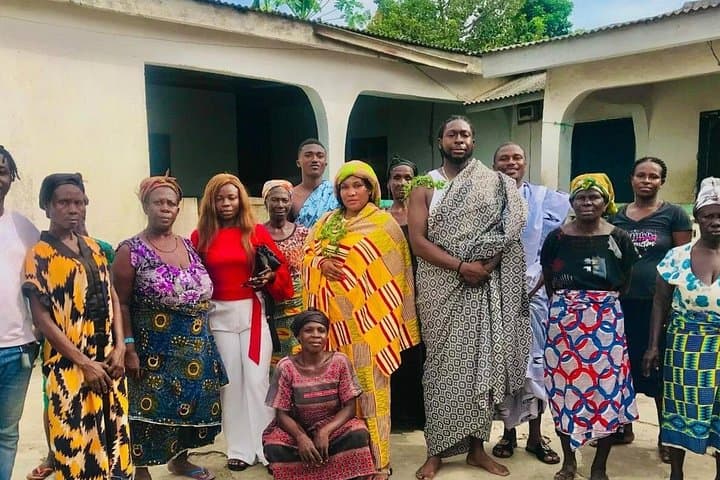
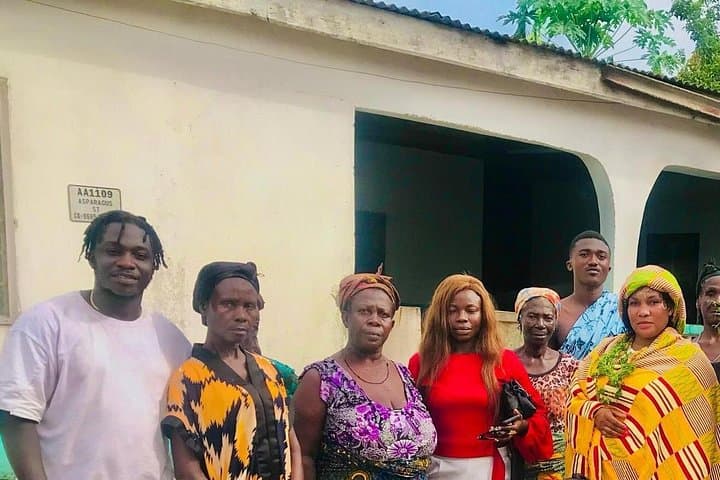
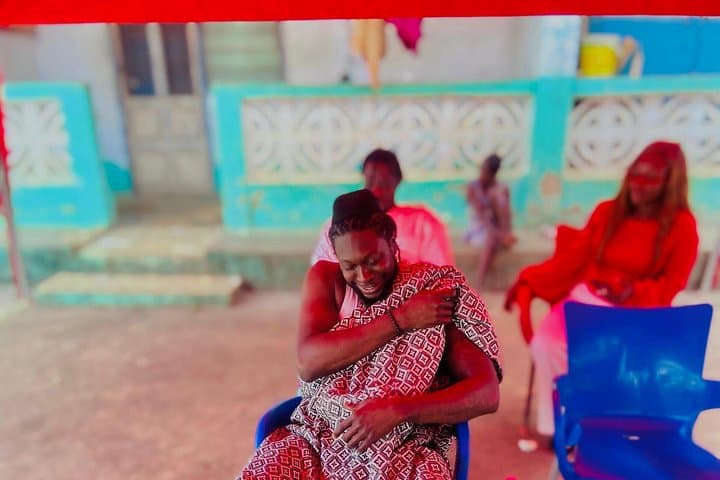
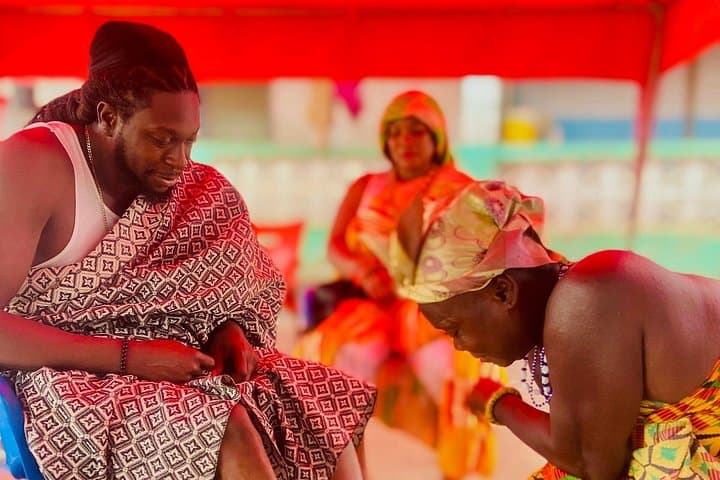
A private, intimate ceremony on the grounds of Cape Coast reconnects visitors with Ghanaian ancestry through naming rites and guided reflections. This four-hour cultural experience blends history, place, and personal ritual with practical accessibility.
A private, intimate ceremony on the grounds of Cape Coast reconnects visitors with Ghanaian ancestry through naming rites and guided reflections. This four-hour cultural experience blends history, place, and personal ritual with practical accessibility.
Morning light cuts across the Atlantic at Cape Coast as you step from a private vehicle into the courthouse square where ancestors once argued for dignity.
The air smells of salt and spice; the rhythm of distant fishing boats keeps time while guides arrange a focused naming ceremony that helps visitors reconnect with Ghanaian lineage and ritual.
Verified experiences and guided adventures in the surrounding area.
Operated by Malabu876 · Cape Coast, Central Region
Morning light cuts across the Atlantic at Cape Coast as you step from a private vehicle into the courthouse square where ancestors once argued for dignity.
The air smells of salt and spice; the rhythm of distant fishing boats keeps time while guides arrange a focused naming ceremony that helps visitors reconnect with Ghanaian lineage and ritual.
Cape Coast sits on a rocky shelf of Precambrian granite and laterite facing the Gulf of Guinea, its stone fortifications shaped by centuries of coastal trade and contested history. This tour threads that geological frame with living culture: Akan family systems, libation rites, and oral histories shaped by the transatlantic era. Local facilitators and elders lead intimate, respectful ceremonies—more contemplative practice than performance—anchored to specific places on the castle grounds or nearby community spaces.
Practical guidance is straightforward. The experience lasts about four hours, includes a light lunch, and is wheelchair accessible with private transport. Expect paved streets and flat castle courtyards; wear comfortable, modest clothing and closed-toe shoes. Bring a refillable water bottle, sun protection, and tissues for emotional moments—ceremonies can be intense and personal. Photography is sometimes allowed but always request permission before photographing people or sacred acts.
Schedule morning sessions for cooler temperatures and quieter streets. Combine the visit with a guided castle walk, a stop at local craft markets, or a visit to nearby Kakum National Park for broader context. Punctuality, respect for local customs, and an open attitude toward guided prompts will deepen the experience.
Yes—guides and facilitators tailor the experience for outsiders and people of the diaspora, providing context and step-by-step participation.
Yes—the tour lists wheelchair-accessible transport and mostly flat, paved terrain on the castle grounds; notify the operator of specific needs when booking.
Children can participate but consider the ceremony’s emotional weight; check with the operator about age-appropriate involvement.
Tipping is appreciated for guides and facilitators; follow local norms (small cash tips) and offer gratitude directly after the ceremony.
Malabu876 operates guided outdoor trips and adventures with an emphasis on safety, stewardship, and memorable experiences.
Morning light cuts across the Atlantic at Cape Coast as you step from a private vehicle into the courthouse square where ancestors once argued for dignity.
The air smells of salt and spice; the rhythm of distant fishing boats keeps time while guides arrange a focused naming ceremony that helps visitors reconnect with Ghanaian lineage and ritual.
Cape Coast sits on a rocky shelf of Precambrian granite and laterite facing the Gulf of Guinea, its stone fortifications shaped by centuries of coastal trade and contested history. This tour threads that geological frame with living culture: Akan family systems, libation rites, and oral histories shaped by the transatlantic era. Local facilitators and elders lead intimate, respectful ceremonies—more contemplative practice than performance—anchored to specific places on the castle grounds or nearby community spaces.
Practical guidance is straightforward. The experience lasts about four hours, includes a light lunch, and is wheelchair accessible with private transport. Expect paved streets and flat castle courtyards; wear comfortable, modest clothing and closed-toe shoes. Bring a refillable water bottle, sun protection, and tissues for emotional moments—ceremonies can be intense and personal. Photography is sometimes allowed but always request permission before photographing people or sacred acts.
Schedule morning sessions for cooler temperatures and quieter streets. Combine the visit with a guided castle walk, a stop at local craft markets, or a visit to nearby Kakum National Park for broader context. Punctuality, respect for local customs, and an open attitude toward guided prompts will deepen the experience.