THE ADVENTURE COLLECTIVE® · Independent discovery and booking for outdoor travel

Explore Hong Kong’s fiery red coastline on a 2.5-hour speedboat tour to Bluff Head and Red Rock Gate. Walk among 140-million-year-old sedimentary cliffs, peek into sea caves and learn the geology behind the island’s rusty hues.
Explore Hong Kong’s fiery red coastline on a 2.5-hour speedboat tour to Bluff Head and Red Rock Gate. Walk among 140-million-year-old sedimentary cliffs, peek into sea caves and learn the geology behind the island’s rusty hues.
You step off the speedboat onto warm, iron-streaked sand and the rock ahead seems alive—three pale fingers of the Devil’s Fist reach toward the sky while waves gnaw at the base like patient sculptors.
Verified experiences and guided adventures in the surrounding area.
Operated by Splitdyboat · Hong Kong, New Territories
You step off the speedboat onto warm, iron-streaked sand and the rock ahead seems alive—three pale fingers of the Devil’s Fist reach toward the sky while waves gnaw at the base like patient sculptors.
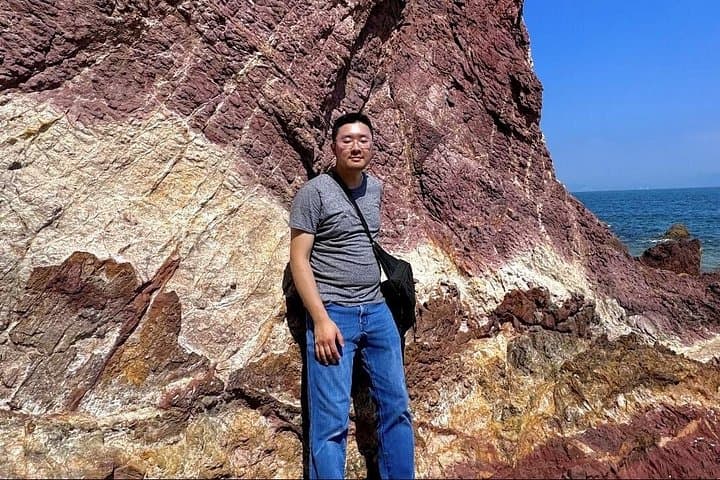
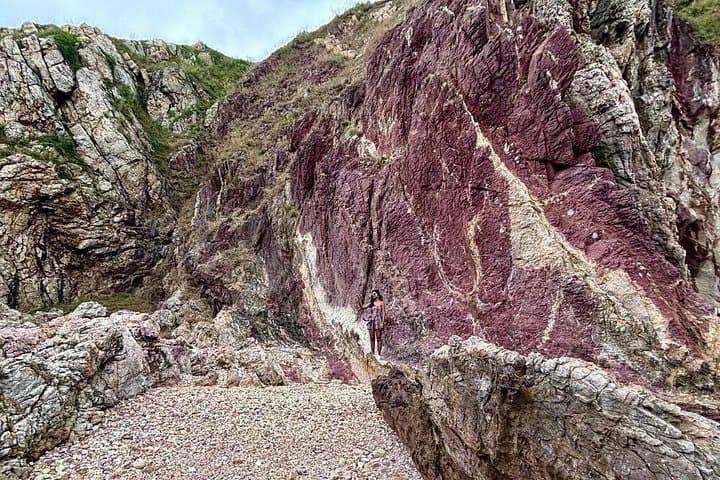
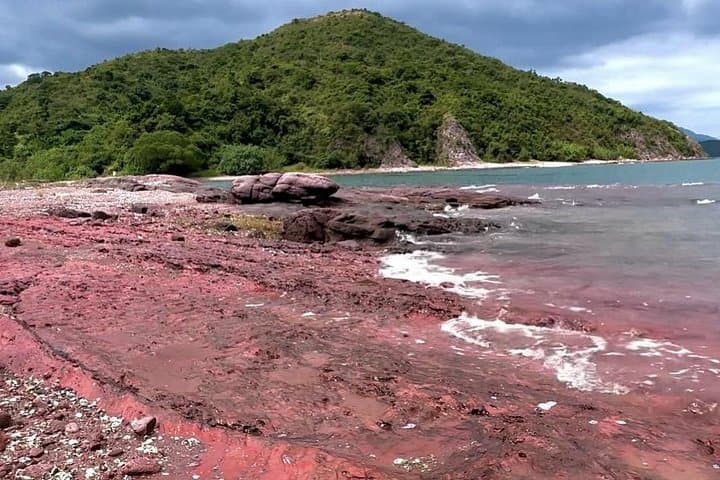
This coastal hop follows sedimentary layers laid down from the Devonian through the Cretaceous: older sandstone and siltstone at Bluff Head and the vivid, iron-oxidized conglomerates at Red Rock Gate. The Hong Kong UNESCO Global Geopark preserves these exposures where ancient river deltas, shifting plates and long dry spells painted the shoreline red. Local fishing villages and island piers whisper a maritime history of trade, shellfish gathering and small-boat navigation that still shapes community life here.
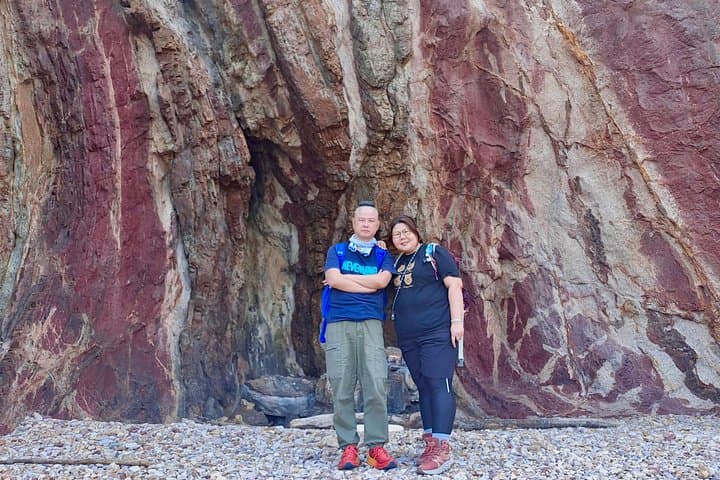
Geology is the show—sea caves, bedding planes and occasional ammonite fragments if you’re lucky—but the shoreline hosts a culture of careful viewing: guides point out fossil hints and explain why different layers erode into distinct forms.
Practical side: the trip is short—about 2.5 hours—on a covered speedboat with brief landings for walking and photography. Expect uneven coastal rock, salty spray and tight time windows at each stop; remain with the guide and wear sturdy, non-slip shoes. Carry sun protection, a waterproof jacket in unsettled weather and a small daypack for water and camera gear.
This tour is accessible to most travelers but respects fragile geology—don’t remove samples and follow instructions when viewing restricted dinosaur-fossil sites from the boat.
The tour runs about 150 minutes with several short landings; expect 20–60 minute strolls on uneven coastal rock at each stop.
Guides may point out fossil-bearing layers and occasional finds, but fossil collection is prohibited and some discovery areas are view-only from the boat.
Yes—life jackets are provided and landings are brief; infants must sit on laps and the operator advises against participation for those with serious heart or back conditions.
Take preventive medication before departure, sit in a central, shaded part of the boat, and focus on the horizon; guides can advise and provide fresh air on deck.
Splitdyboat operates guided outdoor trips and adventures with an emphasis on safety, stewardship, and memorable experiences.
You step off the speedboat onto warm, iron-streaked sand and the rock ahead seems alive—three pale fingers of the Devil’s Fist reach toward the sky while waves gnaw at the base like patient sculptors.
You step off the speedboat onto warm, iron-streaked sand and the rock ahead seems alive—three pale fingers of the Devil’s Fist reach toward the sky while waves gnaw at the base like patient sculptors.
This coastal hop follows sedimentary layers laid down from the Devonian through the Cretaceous: older sandstone and siltstone at Bluff Head and the vivid, iron-oxidized conglomerates at Red Rock Gate. The Hong Kong UNESCO Global Geopark preserves these exposures where ancient river deltas, shifting plates and long dry spells painted the shoreline red. Local fishing villages and island piers whisper a maritime history of trade, shellfish gathering and small-boat navigation that still shapes community life here.
Geology is the show—sea caves, bedding planes and occasional ammonite fragments if you’re lucky—but the shoreline hosts a culture of careful viewing: guides point out fossil hints and explain why different layers erode into distinct forms.
Practical side: the trip is short—about 2.5 hours—on a covered speedboat with brief landings for walking and photography. Expect uneven coastal rock, salty spray and tight time windows at each stop; remain with the guide and wear sturdy, non-slip shoes. Carry sun protection, a waterproof jacket in unsettled weather and a small daypack for water and camera gear.
This tour is accessible to most travelers but respects fragile geology—don’t remove samples and follow instructions when viewing restricted dinosaur-fossil sites from the boat.