THE ADVENTURE COLLECTIVE® · Independent discovery and booking for outdoor travel

Witness the iconic red-crowned cranes dance on snow and scan Kushiro Marsh for sea eagles on this four-hour guided tour from Kushiro City. Practical, guided, and ideal for photographers and wildlife lovers seeking close, ethical encounters.
Witness the iconic red-crowned cranes dance on snow and scan Kushiro Marsh for sea eagles on this four-hour guided tour from Kushiro City. Practical, guided, and ideal for photographers and wildlife lovers seeking close, ethical encounters.
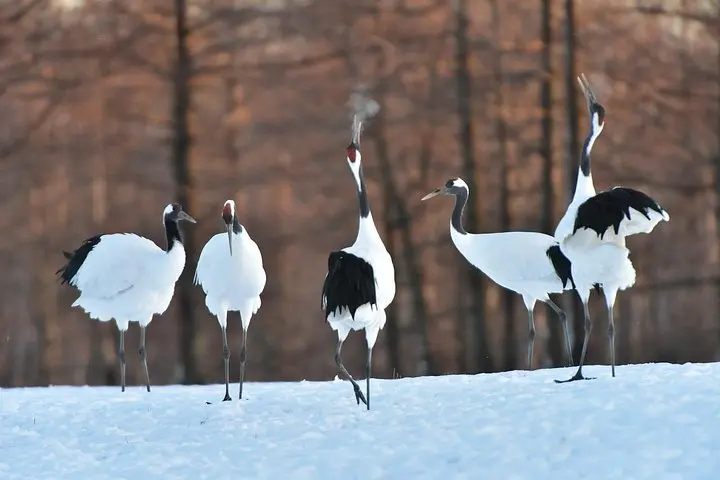
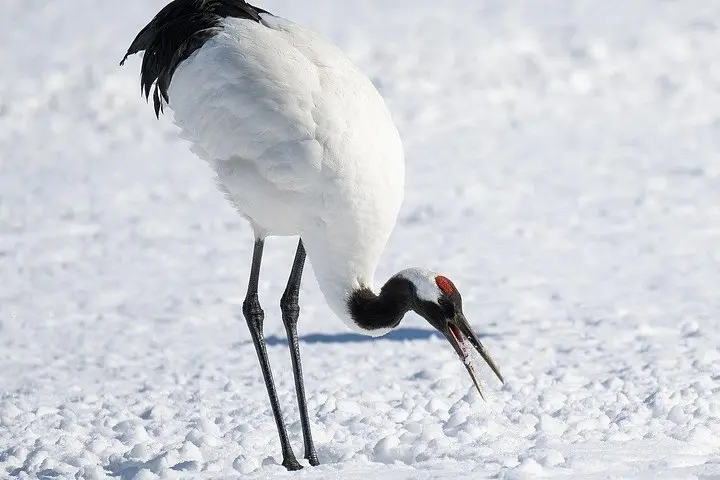
The morning air on the marsh bites with a crystalline clarity as low fog lifts off the peat and reed beds, and the first trumpeting calls cut through the hush. You stand on the roadside with binoculars raised while a guide points toward a scatter of white figures: red-crowned cranes performing their slow, ritual dance against a backdrop of frost-stiff sedge.
Verified experiences and guided adventures in the surrounding area.
Operated by Picchio Shiretoko · Tsurui, Hokkaido
The morning air on the marsh bites with a crystalline clarity as low fog lifts off the peat and reed beds, and the first trumpeting calls cut through the hush. You stand on the roadside with binoculars raised while a guide points toward a scatter of white figures: red-crowned cranes performing their slow, ritual dance against a backdrop of frost-stiff sedge.
Kushiro Marsh (Kushiro-shitsugen), Japan’s largest wetland, is a product of volcanic ash, glacial sediments and peat accumulation shaped over millennia. Tsurui Village became synonymous with the red-crowned crane after conservation efforts in the 20th century reversed declines and the species earned Special Natural Monument status. The landscape is honest and elemental — wide sky, glassy channels, and long winter shadows — and local culture is attentive to the rhythms of migration and raptor season.
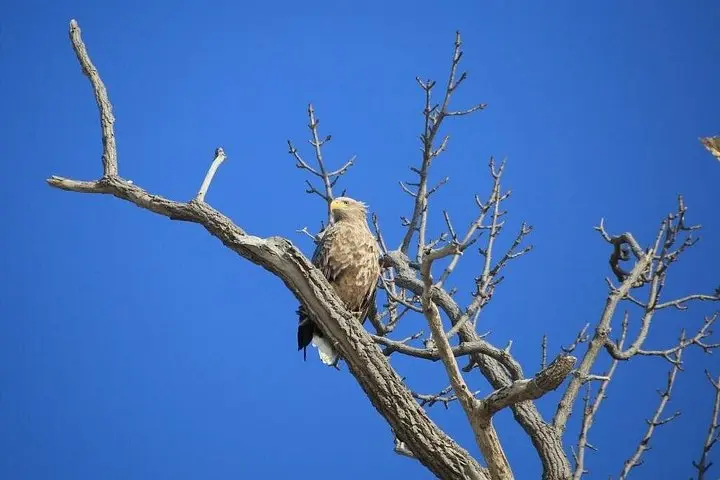
Practically, expect a relaxed, four-hour outing with private transport from Kushiro City, an English-speaking nature guide, and provided binoculars. Wildlife viewing is by vehicle and short, flat stops; bring layered, windproof clothing, waterproof boots, and a telephoto-ready camera. Winter months concentrate cranes in Tsurui and give the best chance to see Steller’s sea eagles and white-tailed eagles along marsh channels. Summer opens the bogs but brings mosquitoes and dense vegetation.
Listen for the cranes’ calls rather than relying only on sight; they often reveal themselves first. Keep noise low, follow the guide’s approach distances, and leave space for the birds’ displays — patience rewarded by intimate, unhurried encounters with one of Japan’s most iconic species.
Yes — high-quality binoculars are supplied, but bringing your own optics can make viewing easier.
The tour includes private transportation from Kushiro City — confirm your pickup location when booking.
Winter months (December–February) concentrate cranes in Tsurui and offer the most reliable viewing and iconic snowy displays.
The tour is classified easy and vehicle-based with short, flat viewing stops; however it’s not recommended for those with serious spinal or cardiovascular issues.
Picchio Shiretoko operates guided outdoor trips and adventures with an emphasis on safety, stewardship, and memorable experiences.
The morning air on the marsh bites with a crystalline clarity as low fog lifts off the peat and reed beds, and the first trumpeting calls cut through the hush. You stand on the roadside with binoculars raised while a guide points toward a scatter of white figures: red-crowned cranes performing their slow, ritual dance against a backdrop of frost-stiff sedge.
The morning air on the marsh bites with a crystalline clarity as low fog lifts off the peat and reed beds, and the first trumpeting calls cut through the hush. You stand on the roadside with binoculars raised while a guide points toward a scatter of white figures: red-crowned cranes performing their slow, ritual dance against a backdrop of frost-stiff sedge.
Kushiro Marsh (Kushiro-shitsugen), Japan’s largest wetland, is a product of volcanic ash, glacial sediments and peat accumulation shaped over millennia. Tsurui Village became synonymous with the red-crowned crane after conservation efforts in the 20th century reversed declines and the species earned Special Natural Monument status. The landscape is honest and elemental — wide sky, glassy channels, and long winter shadows — and local culture is attentive to the rhythms of migration and raptor season.
Practically, expect a relaxed, four-hour outing with private transport from Kushiro City, an English-speaking nature guide, and provided binoculars. Wildlife viewing is by vehicle and short, flat stops; bring layered, windproof clothing, waterproof boots, and a telephoto-ready camera. Winter months concentrate cranes in Tsurui and give the best chance to see Steller’s sea eagles and white-tailed eagles along marsh channels. Summer opens the bogs but brings mosquitoes and dense vegetation.
Listen for the cranes’ calls rather than relying only on sight; they often reveal themselves first. Keep noise low, follow the guide’s approach distances, and leave space for the birds’ displays — patience rewarded by intimate, unhurried encounters with one of Japan’s most iconic species.