THE ADVENTURE COLLECTIVE® · Independent discovery and booking for outdoor travel

An eight-hour private 4x4 through Oman’s Wahiba (Sharqiya) Sands visits dune ridges, Al Qabil viewpoints and wadi pools at Wadi Bani Khaled. Expect dune driving, short hikes, Bedouin camp stops and a full-day of desert light.
An eight-hour private 4x4 through Oman’s Wahiba (Sharqiya) Sands visits dune ridges, Al Qabil viewpoints and wadi pools at Wadi Bani Khaled. Expect dune driving, short hikes, Bedouin camp stops and a full-day of desert light.
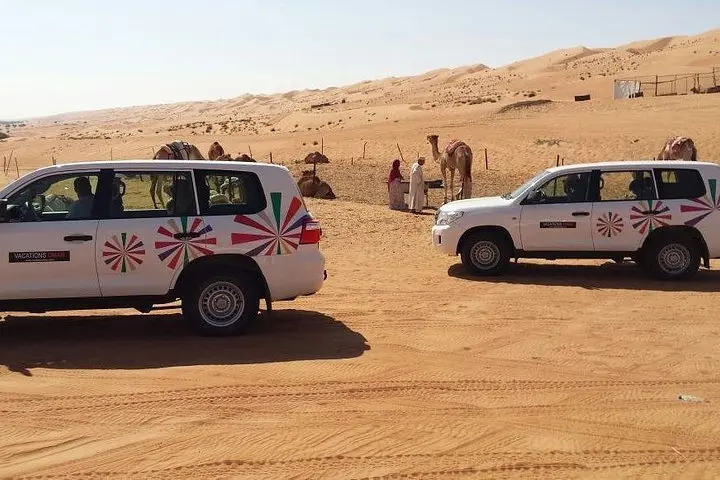
You step from the air-conditioned vehicle into a bowl of red sand; the dunes shift behind you like pages turning. Wind scours the ridgelines, and the silence of the desert dares you to move slower — each footstep is loud against the soft slope. A 4x4 climbs and drops, sending grains skittering down faces while the driver reads the dunes like a map.
Verified experiences and guided adventures in the surrounding area.
Operated by Vacation Packages Oman · Al Wasil, Ash Sharqiyah
You step from the air-conditioned vehicle into a bowl of red sand; the dunes shift behind you like pages turning. Wind scours the ridgelines, and the silence of the desert dares you to move slower — each footstep is loud against the soft slope. A 4x4 climbs and drops, sending grains skittering down faces while the driver reads the dunes like a map.
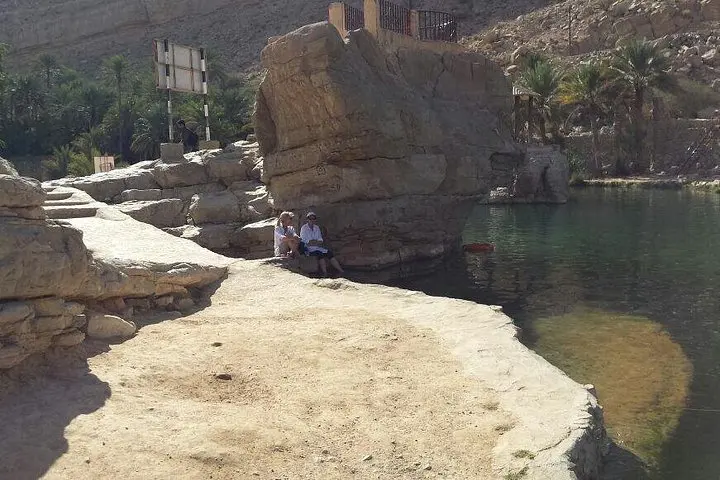
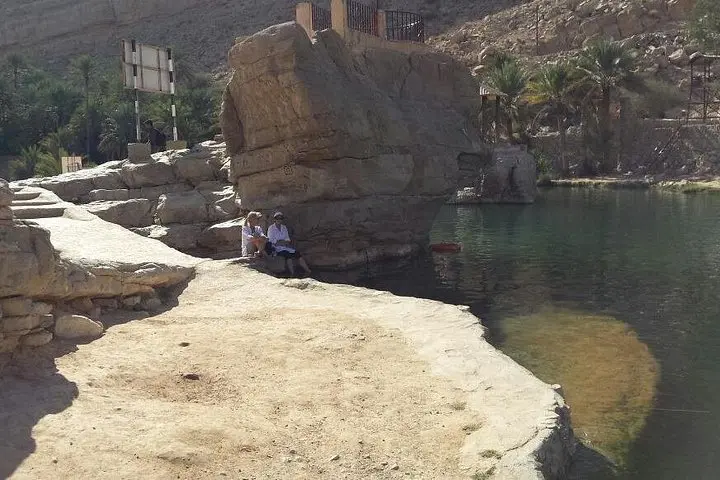
The Sharqiya Sands were named for the Bani Wahiba tribe whose camels and palm groves shaped life here for centuries. Geologically, the area is a coastal-inland dune field made of pale quartz and iron-bearing sands; dunes range from low ridges to towering crescents shaped by persistent easterly winds. Scattered wadis and rocky outcrops break the monotony; Wadi Bani Khaled’s pools feel almost conspiratorial—cool blue intrusions in a sunlit world.
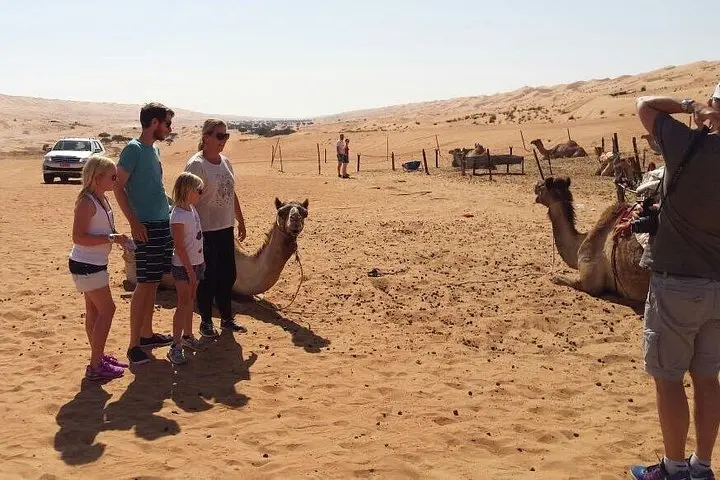
Local guides balance tradition and tourism: expect short visits to Bedouin camps, photo stops at Al Qabil, and the option to wade in natural pools. Wildlife is discreet—tracks and the occasional desert fox or lark hint at other lives here.
Practical guidance: tours usually run full-day from Muscat, include bottled water and private transfer, and require a moderate fitness level for short dune hikes. Dress in light, long-sleeved cotton, sturdy closed-toe shoes for hot sand, and a hat; sunscreen and ample water are non-negotiable. Morning and late afternoon offer the best light and coolest temperatures; midday can be extreme. Respect marked tracks, follow your guide’s directions during dune driving, and pack out any trash. The Wahiba Sands rewards patience: sit on a crest at sunset and watch the dunes change color like slow-breathing earth.
This private safari is a full-day experience—about eight hours—typically departing from Muscat or arranged pickup points in the Eastern Region.
Yes, there are natural pools at Wadi Bani Khaled suitable for short swims; conditions vary so follow your guide’s advice and check for deep pockets before entering.
Dune driving can be bumpy; it’s not recommended for travelers with poor cardiovascular health or for pregnant guests—operators will advise based on individual conditions.
Drone use is restricted in many parts of Oman—check with the tour operator and local regulations before flying, and always avoid disturbing wildlife and camps.
Vacation Packages Oman operates guided outdoor trips and adventures with an emphasis on safety, stewardship, and memorable experiences.
You step from the air-conditioned vehicle into a bowl of red sand; the dunes shift behind you like pages turning. Wind scours the ridgelines, and the silence of the desert dares you to move slower — each footstep is loud against the soft slope. A 4x4 climbs and drops, sending grains skittering down faces while the driver reads the dunes like a map.
You step from the air-conditioned vehicle into a bowl of red sand; the dunes shift behind you like pages turning. Wind scours the ridgelines, and the silence of the desert dares you to move slower — each footstep is loud against the soft slope. A 4x4 climbs and drops, sending grains skittering down faces while the driver reads the dunes like a map.
The Sharqiya Sands were named for the Bani Wahiba tribe whose camels and palm groves shaped life here for centuries. Geologically, the area is a coastal-inland dune field made of pale quartz and iron-bearing sands; dunes range from low ridges to towering crescents shaped by persistent easterly winds. Scattered wadis and rocky outcrops break the monotony; Wadi Bani Khaled’s pools feel almost conspiratorial—cool blue intrusions in a sunlit world.
Local guides balance tradition and tourism: expect short visits to Bedouin camps, photo stops at Al Qabil, and the option to wade in natural pools. Wildlife is discreet—tracks and the occasional desert fox or lark hint at other lives here.
Practical guidance: tours usually run full-day from Muscat, include bottled water and private transfer, and require a moderate fitness level for short dune hikes. Dress in light, long-sleeved cotton, sturdy closed-toe shoes for hot sand, and a hat; sunscreen and ample water are non-negotiable. Morning and late afternoon offer the best light and coolest temperatures; midday can be extreme. Respect marked tracks, follow your guide’s directions during dune driving, and pack out any trash. The Wahiba Sands rewards patience: sit on a crest at sunset and watch the dunes change color like slow-breathing earth.