THE ADVENTURE COLLECTIVE® · Independent discovery and booking for outdoor travel

Visit a small floating community beneath Long Biên Bridge on the Red River for a four-hour cultural tour that explores informal river settlements, local livelihoods and grassroots education efforts. Expect intimate conversations, hands-on chores, and a shared lunch aboard a resident’s boat.
Visit a small floating community beneath Long Biên Bridge on the Red River for a four-hour cultural tour that explores informal river settlements, local livelihoods and grassroots education efforts. Expect intimate conversations, hands-on chores, and a shared lunch aboard a resident’s boat.
You step off the narrow lane by Long Biên Bridge and smell river water, diesel and frying fish — the Red River breathing under the bridge, daring you to look closer. On a cluster of 13 m² floating houses, roughly twenty households have built lives on rafts and stilts; children run between boats like small captains, and laundry flaps across makeshift decks.
Verified experiences and guided adventures in the surrounding area.
Operated by MY WAY TRAVEL · Hanoi, Hanoi
You step off the narrow lane by Long Biên Bridge and smell river water, diesel and frying fish — the Red River breathing under the bridge, daring you to look closer. On a cluster of 13 m² floating houses, roughly twenty households have built lives on rafts and stilts; children run between boats like small captains, and laundry flaps across makeshift decks.
The bridge overhead is a relic of French-era engineering, scarred by wartime bombing and Hanoi’s rapid change. The river plain here is alluvial, churned by seasonal floods that shape how people build and move. Social realities are as visible as the timber and tarpaulin: informal land claims, grassroots education projects and NGO efforts to improve livelihoods are part of the daily landscape.
This four-hour, morning community visit follows a practised local guide who knows the families and the issues — expect conversations on migration, marginalization and informal housing, a chance to join simple farming activities on floating plots and lunch aboard a resident’s boat. The experience is intimate and observational: photography and questions are welcome, but privacy and consent come first.
Practicalities: wear non-slip shoes, bring cash for small purchases, and plan for sun or sudden showers. The best time is dry-season mornings when river pathways are accessible and mosquitoes are fewer. Be prepared for uneven boarding between boats and to follow the guide’s lead when meeting families — this is a social encounter as much as a tour, one that rewards curiosity treated with respect.
The tour is run by a local guide with established ties to residents and NGOs; interactions are arranged to be respectful and educational rather than exploitative.
Typical meeting points are near Long Biên Bridge or at a central Hanoi pickup; confirm the exact pickup point when booking.
Yes—children are welcome, but guardians should supervise near water and be sensitive to residents’ privacy during conversations and photos.
Access is limited: boarding floating houses and uneven riverbanks make it challenging for wheelchairs and standard strollers; discuss needs with the operator ahead of time.
MY WAY TRAVEL operates guided outdoor trips and adventures with an emphasis on safety, stewardship, and memorable experiences.
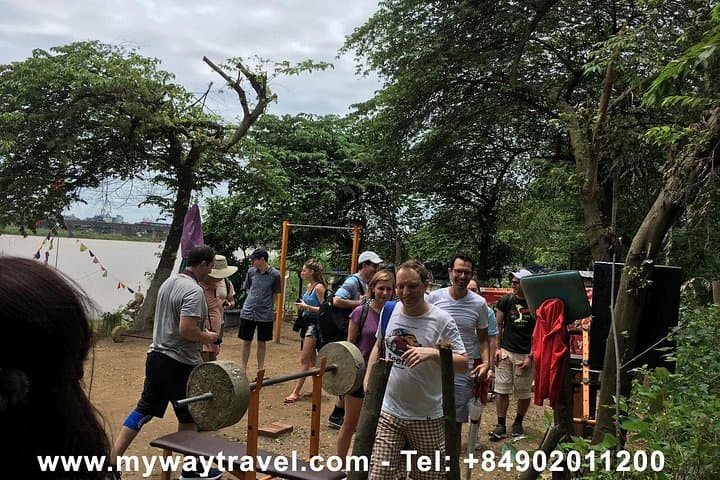


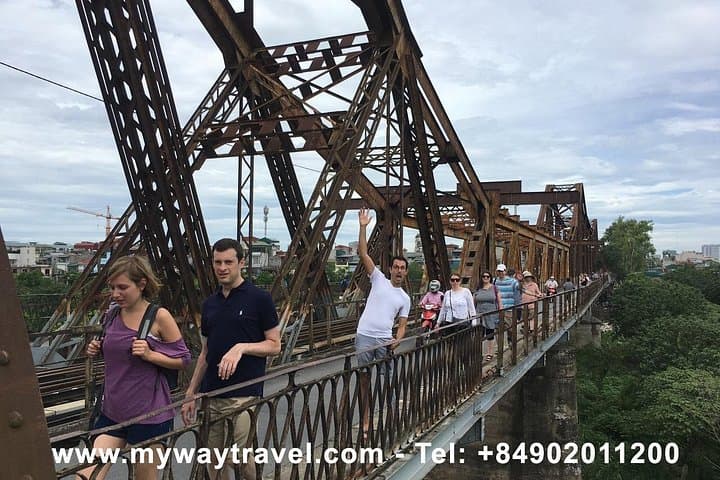
You step off the narrow lane by Long Biên Bridge and smell river water, diesel and frying fish — the Red River breathing under the bridge, daring you to look closer. On a cluster of 13 m² floating houses, roughly twenty households have built lives on rafts and stilts; children run between boats like small captains, and laundry flaps across makeshift decks.
You step off the narrow lane by Long Biên Bridge and smell river water, diesel and frying fish — the Red River breathing under the bridge, daring you to look closer. On a cluster of 13 m² floating houses, roughly twenty households have built lives on rafts and stilts; children run between boats like small captains, and laundry flaps across makeshift decks.
The bridge overhead is a relic of French-era engineering, scarred by wartime bombing and Hanoi’s rapid change. The river plain here is alluvial, churned by seasonal floods that shape how people build and move. Social realities are as visible as the timber and tarpaulin: informal land claims, grassroots education projects and NGO efforts to improve livelihoods are part of the daily landscape.
This four-hour, morning community visit follows a practised local guide who knows the families and the issues — expect conversations on migration, marginalization and informal housing, a chance to join simple farming activities on floating plots and lunch aboard a resident’s boat. The experience is intimate and observational: photography and questions are welcome, but privacy and consent come first.
Practicalities: wear non-slip shoes, bring cash for small purchases, and plan for sun or sudden showers. The best time is dry-season mornings when river pathways are accessible and mosquitoes are fewer. Be prepared for uneven boarding between boats and to follow the guide’s lead when meeting families — this is a social encounter as much as a tour, one that rewards curiosity treated with respect.