THE ADVENTURE COLLECTIVE® · Independent discovery and booking for outdoor travel

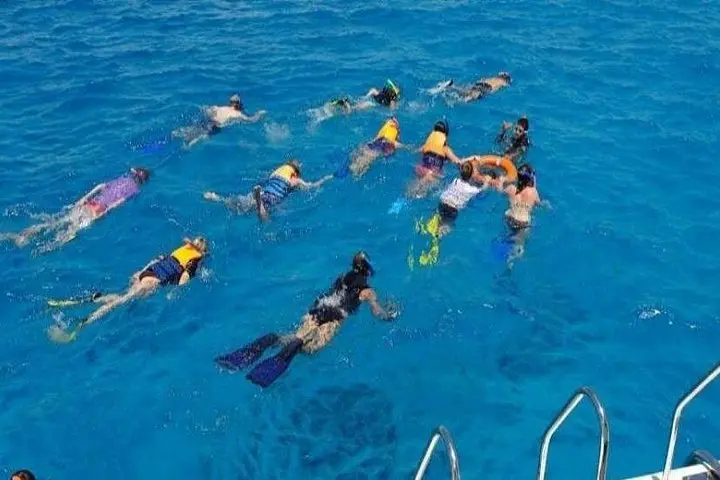
Board a day boat from Hurghada and drop into the crystalline Red Sea for 2–3 snorkeling stops at reefs like Giftun Island and Orange Bay. This full-day trip includes gear, lunch, and hotel pickup—ideal for mixed-ability travelers seeking vivid coral gardens and marine wildlife.
Board a day boat from Hurghada and drop into the crystalline Red Sea for 2–3 snorkeling stops at reefs like Giftun Island and Orange Bay. This full-day trip includes gear, lunch, and hotel pickup—ideal for mixed-ability travelers seeking vivid coral gardens and marine wildlife.
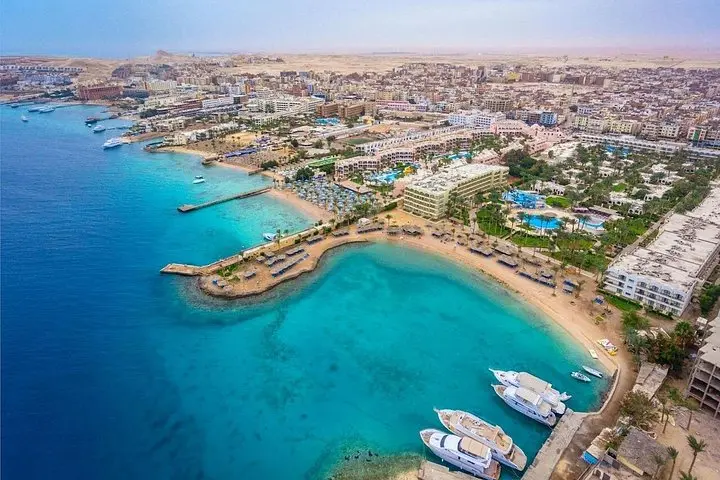
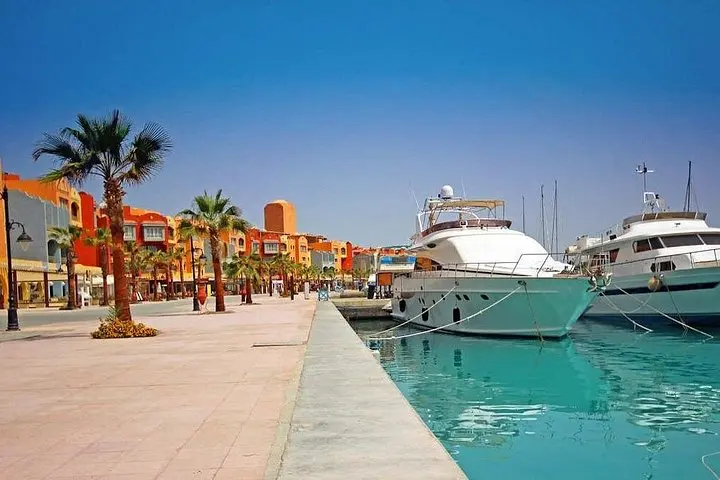
The boat slips away from Hurghada’s harbor and the city’s low-rise hotels shrink into a serried line of colors. A wind that smells of salt and diesel pushes across the deck as the coastline blurs; beneath the surface the Red Sea is already clarifying the day. By the first stop—often a shallow rim of coral around Giftun Island or the crescent-shaped Orange Bay—water that looked like a sheet of glass at the horizon opens into a world of sculpted reef and darting schools of fish.
Verified experiences and guided adventures in the surrounding area.
Operated by Go Tours Egypt · Hurghada, Red Sea Governorate
The boat slips away from Hurghada’s harbor and the city’s low-rise hotels shrink into a serried line of colors. A wind that smells of salt and diesel pushes across the deck as the coastline blurs; beneath the surface the Red Sea is already clarifying the day. By the first stop—often a shallow rim of coral around Giftun Island or the crescent-shaped Orange Bay—water that looked like a sheet of glass at the horizon opens into a world of sculpted reef and darting schools of fish.
The Red Sea’s reefs are both ancient and volatile: built over millennia by corals adapted to high salinity and bright light, they sit on a fault-bounded basin that has been a maritime highway since pharaonic times. Hurghada itself was a modest fishing village until the late 20th century, and boatmen still bring a measured practicality to guiding visitors—local knowledge about tides, currents, and the quiet pockets where turtles graze.
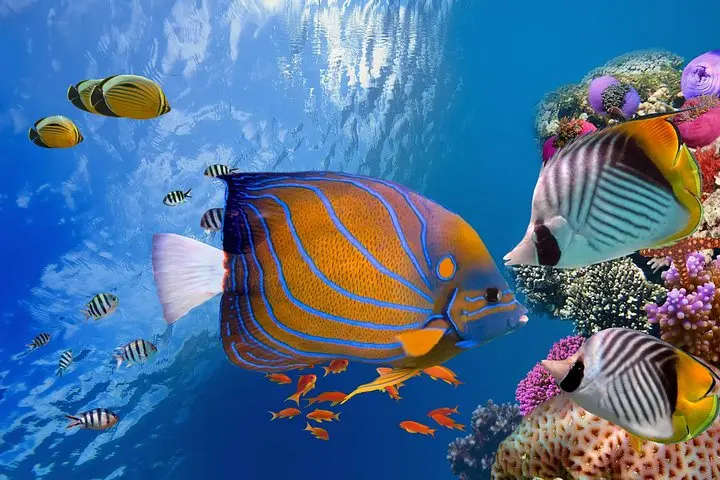
Underwater, the landscape reads like a living geology text. Fingers of coral project from sand flats, eroded by currents into arches and gutters that channel fish. Anemones sway as if breathing; surgeonfish and parrotfish polish the reef surface while the occasional hawksbill turtle cruises like a slow, deliberate shadow. Above water, the islands are pale rock and scrub—simple landforms that keep the sea’s drama in focus.
Practically speaking, this is a day designed for mixed abilities: the operator runs 2–3 snorkeling stops, supplies full gear, serves lunch on board, and returns to hotel docks in the afternoon. Expect roughly eight hours from pickup to drop-off and plan for intermittent sun and boat motion. Morning departures give the clearest water and calmer seas; afternoon runs can mean stronger winds and choppier rides.
Tips that matter: use reef-safe sunscreen and a thin rashguard to protect both your skin and the corals; test your mask and breathe calmly before committing to deeper sections; if you’re prone to seasickness, take preventative medication the night before and bring a loose-fitting layer for the ride. Guides will brief you on safety and keep groups shallow where reefs are most vibrant.
For planning: confirm hotel pickup (most Hurghada hotels included; Sahl Hasheesh or Makadi may carry surcharges), bring a waterproof camera and a plastic bag for wet gear, and budget time to change and rinse afterward.
On any given trip the sea is a collaborator—sometimes gently coaxing you into a perfect, buoyant glide over a coral garden; sometimes reminding you of its power with a rolling swell. Arrive prepared, keep your movements deliberate, and the Red Sea will reveal the bright, curious life it keeps just below the surface.
Yes—mask, snorkel, and fins are included; many operators also offer flotation vests for less confident swimmers.
Most operators welcome children who can swim; check age limits on booking and note that flotation devices are available for younger snorkelers.
Full refund if canceled at least 24 hours before departure; operators may cancel for bad weather and will refund or reschedule in that case.
Turtles and occasional dolphins are regular sightings, but wildlife is never guaranteed—sightings depend on season and luck.
Yes—participants should be comfortable in open water for short periods; flotation devices and guided buddy systems are used for safety.
Pickup from most Hurghada hotels is included; pickups from outlying resorts like Sahl Hasheesh or Soma Bay may carry an extra fee—confirm at booking.
Go Tours Egypt operates guided outdoor trips and adventures with an emphasis on safety, stewardship, and memorable experiences.
The boat slips away from Hurghada’s harbor and the city’s low-rise hotels shrink into a serried line of colors. A wind that smells of salt and diesel pushes across the deck as the coastline blurs; beneath the surface the Red Sea is already clarifying the day. By the first stop—often a shallow rim of coral around Giftun Island or the crescent-shaped Orange Bay—water that looked like a sheet of glass at the horizon opens into a world of sculpted reef and darting schools of fish.
The boat slips away from Hurghada’s harbor and the city’s low-rise hotels shrink into a serried line of colors. A wind that smells of salt and diesel pushes across the deck as the coastline blurs; beneath the surface the Red Sea is already clarifying the day. By the first stop—often a shallow rim of coral around Giftun Island or the crescent-shaped Orange Bay—water that looked like a sheet of glass at the horizon opens into a world of sculpted reef and darting schools of fish.
The Red Sea’s reefs are both ancient and volatile: built over millennia by corals adapted to high salinity and bright light, they sit on a fault-bounded basin that has been a maritime highway since pharaonic times. Hurghada itself was a modest fishing village until the late 20th century, and boatmen still bring a measured practicality to guiding visitors—local knowledge about tides, currents, and the quiet pockets where turtles graze.
Underwater, the landscape reads like a living geology text. Fingers of coral project from sand flats, eroded by currents into arches and gutters that channel fish. Anemones sway as if breathing; surgeonfish and parrotfish polish the reef surface while the occasional hawksbill turtle cruises like a slow, deliberate shadow. Above water, the islands are pale rock and scrub—simple landforms that keep the sea’s drama in focus.
Practically speaking, this is a day designed for mixed abilities: the operator runs 2–3 snorkeling stops, supplies full gear, serves lunch on board, and returns to hotel docks in the afternoon. Expect roughly eight hours from pickup to drop-off and plan for intermittent sun and boat motion. Morning departures give the clearest water and calmer seas; afternoon runs can mean stronger winds and choppier rides.
Tips that matter: use reef-safe sunscreen and a thin rashguard to protect both your skin and the corals; test your mask and breathe calmly before committing to deeper sections; if you’re prone to seasickness, take preventative medication the night before and bring a loose-fitting layer for the ride. Guides will brief you on safety and keep groups shallow where reefs are most vibrant.
For planning: confirm hotel pickup (most Hurghada hotels included; Sahl Hasheesh or Makadi may carry surcharges), bring a waterproof camera and a plastic bag for wet gear, and budget time to change and rinse afterward.
On any given trip the sea is a collaborator—sometimes gently coaxing you into a perfect, buoyant glide over a coral garden; sometimes reminding you of its power with a rolling swell. Arrive prepared, keep your movements deliberate, and the Red Sea will reveal the bright, curious life it keeps just below the surface.