THE ADVENTURE COLLECTIVE® · Independent discovery and booking for outdoor travel

Board a high-speed catamaran from Airlie Beach for a full-day visit to Reefworld on Hardy Reef—snorkel coral gardens, watch reef life from an underwater observatory, and opt into guided dives. Expect four hours on an outer-reef pontoon with meals and gear included.
Board a high-speed catamaran from Airlie Beach for a full-day visit to Reefworld on Hardy Reef—snorkel coral gardens, watch reef life from an underwater observatory, and opt into guided dives. Expect four hours on an outer-reef pontoon with meals and gear included.
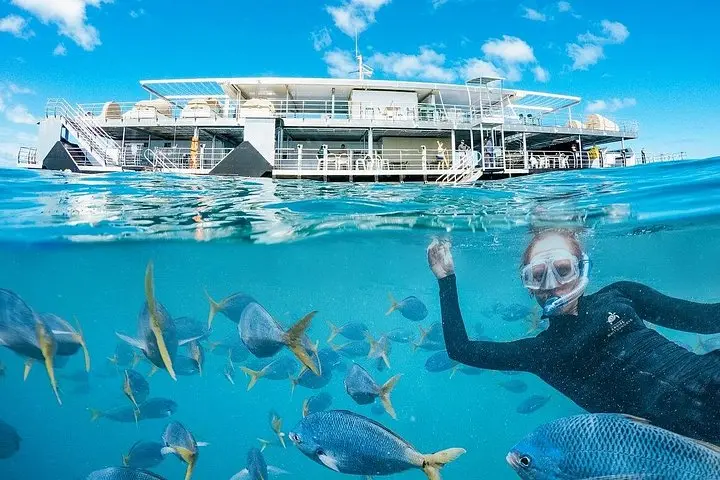
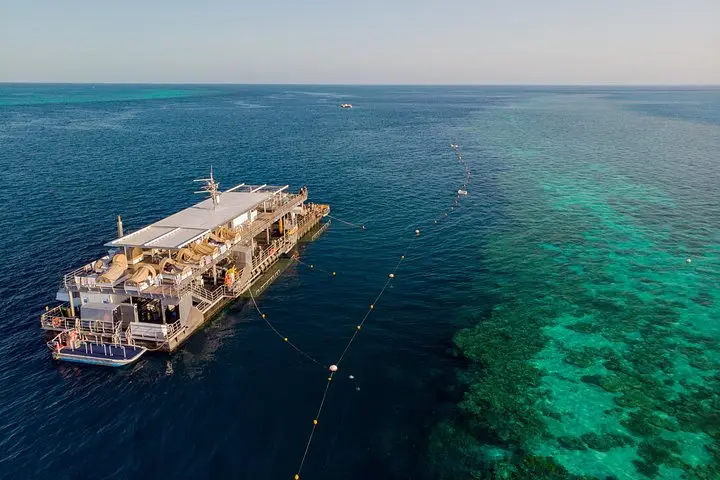
Salt air and a wind that pushes the catamaran across glassy blue waters set the scene before you even see the pontoon: Reefworld, a multilevel platform permanently moored on Hardy Reef, sits like a human-made atoll among coral bommies.
Verified experiences and guided adventures in the surrounding area.
Operated by Cruise Whitsundays · Airlie Beach, QLD
Salt air and a wind that pushes the catamaran across glassy blue waters set the scene before you even see the pontoon: Reefworld, a multilevel platform permanently moored on Hardy Reef, sits like a human-made atoll among coral bommies.
The Great Barrier Reef began forming millions of years ago as coral skeletons accumulated on a continental shelf; out here the reef’s outer edge catches ocean swells, building the dense coral gardens that draw fish, turtles and rays. The Whitsundays sit on country traditionally cared for by the Ngaro people, whose knowledge of tides and seasonal cycles shaped travel in these seas long before tourism.
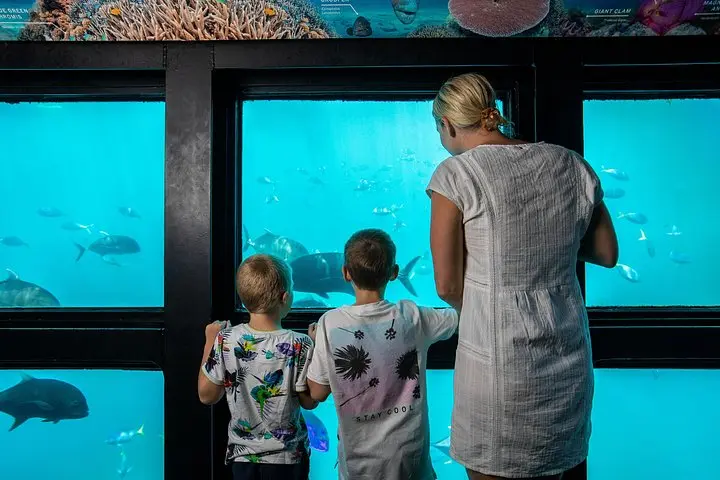
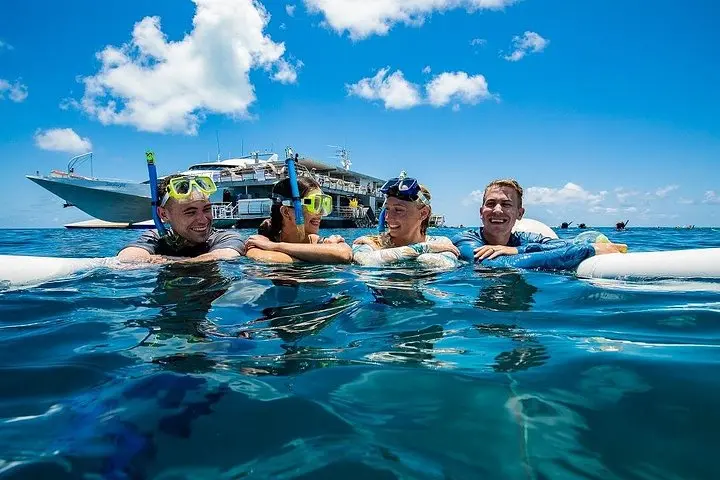
On a full-day trip from Airlie Beach you’ll cruise through island-studded water, spend up to four hours on the pontoon, and swap between snorkel, underwater observatory and a semi-submersible for sheltered views of coral heads. Guides provide wetsuits and stinger suits, morning and afternoon tea, and a substantial lunch—an easy way to see outer-reef biodiversity without deep-diving expertise. Optional guided snorkel safaris and certified dives are available for more confident swimmers.
Practical notes: arrive 30 minutes early, carry reef-safe sunscreen, and use a dry bag for electronics. Seas can be choppy; take motion-sickness meds if you’re prone. Peak visibility is often in the austral winter months (June–September) when clearer water and calmer seas improve viewing. Respect coral and marine life—don’t touch—and follow briefings; keeping your distance protects both you and the reef.
Yes—wetsuits and stinger suits (seasonal) are provided for snorkeling; sizes vary so request your size when booking.
Yes—the pontoon, underwater observatory and semi‑submersible allow non‑swimmers to experience the reef; flotation is available for shallow snorkeling.
Morning tea, a buffet lunch prepared by local restaurants, and afternoon tea are included; advise dietary needs when booking.
Departures run from Port of Airlie (Airlie Beach) with pickup options from Daydream or Hamilton Island marinas; closest airports are Proserpine (Whitsunday Coast) and Hamilton Island.
Cruise Whitsundays operates guided outdoor trips and adventures with an emphasis on safety, stewardship, and memorable experiences.
Salt air and a wind that pushes the catamaran across glassy blue waters set the scene before you even see the pontoon: Reefworld, a multilevel platform permanently moored on Hardy Reef, sits like a human-made atoll among coral bommies.
Salt air and a wind that pushes the catamaran across glassy blue waters set the scene before you even see the pontoon: Reefworld, a multilevel platform permanently moored on Hardy Reef, sits like a human-made atoll among coral bommies.
The Great Barrier Reef began forming millions of years ago as coral skeletons accumulated on a continental shelf; out here the reef’s outer edge catches ocean swells, building the dense coral gardens that draw fish, turtles and rays. The Whitsundays sit on country traditionally cared for by the Ngaro people, whose knowledge of tides and seasonal cycles shaped travel in these seas long before tourism.
On a full-day trip from Airlie Beach you’ll cruise through island-studded water, spend up to four hours on the pontoon, and swap between snorkel, underwater observatory and a semi-submersible for sheltered views of coral heads. Guides provide wetsuits and stinger suits, morning and afternoon tea, and a substantial lunch—an easy way to see outer-reef biodiversity without deep-diving expertise. Optional guided snorkel safaris and certified dives are available for more confident swimmers.
Practical notes: arrive 30 minutes early, carry reef-safe sunscreen, and use a dry bag for electronics. Seas can be choppy; take motion-sickness meds if you’re prone. Peak visibility is often in the austral winter months (June–September) when clearer water and calmer seas improve viewing. Respect coral and marine life—don’t touch—and follow briefings; keeping your distance protects both you and the reef.