THE ADVENTURE COLLECTIVE® · Independent discovery and booking for outdoor travel

Hit the streets where Pittsburgh became a film backdrop: a guided 2‑hour walking tour that points out famous movie locations, architectural stars, and local stories. Ideal for film fans and curious travelers who want context alongside camera-ready views.
Hit the streets where Pittsburgh became a film backdrop: a guided 2‑hour walking tour that points out famous movie locations, architectural stars, and local stories. Ideal for film fans and curious travelers who want context alongside camera-ready views.
You step out under the awning on Penn Avenue and the city opens like a film set: steel bridges cut the sky, river currents push the city’s low hum toward the downtown park, and a white bicycle propped in a shop window becomes your marquee. The guide—local, quick with trivia and quicker with a smile—maps the next two hours through streets that have doubled as Gotham, blue-collar neighborhoods, and poetic urban backdrops. The city feels cinematic because it often is; Pittsburgh’s topography and architecture practically ask to be filmed.
Verified experiences and guided adventures in the surrounding area.
Operated by Walk the Burgh Tours · Pittsburgh, Pennsylvania
You step out under the awning on Penn Avenue and the city opens like a film set: steel bridges cut the sky, river currents push the city’s low hum toward the downtown park, and a white bicycle propped in a shop window becomes your marquee. The guide—local, quick with trivia and quicker with a smile—maps the next two hours through streets that have doubled as Gotham, blue-collar neighborhoods, and poetic urban backdrops. The city feels cinematic because it often is; Pittsburgh’s topography and architecture practically ask to be filmed.
Pittsburgh’s cinematic story is born of its industrial past and its geography. Where three rivers converge, neighborhoods climb hills and fall into riverfront flats; that contrast gives filmmakers texture. From the flat expanse of Point State Park to ornate theaters like Heinz Hall and the Benedum Center, Pittsburgh supplied authentic locations for studio productions and indie auteurs alike. Local policy choices—tax incentives and a welcoming permitting culture—turned a regional city into “Hollywood East.” The tour threads these stories with local cultural notes: August Wilson’s echoes in the Hill District, the way a baseball stadium across the Allegheny doubles as a character, and how directors use bridges to stage turning points.
The walking route covers roughly 1.5–2 miles of downtown sidewalks and riverside promenades with minimal elevation change—think steady urban walking, not hiking. Expect multiple photo stops at plazas, bridges, historic facades, and a downtown park where several big scenes were shot. Guides point out specific shots and stand where actors once stood; they also share production details that make a building’s facade read like a storyboard. Kids and dogs are welcome, and the route is wheelchair-accessible, but bring your patience for crowded sidewalks and occasional street construction.
Practical packing: comfortable walking shoes, a lightweight rain jacket, and a charged phone for photos and the occasional archival clip your guide might cue up. Aim for a morning or late-afternoon start to avoid peak pedestrian traffic and to catch warm, sidelong light for photos. Public transit and parking are handy around the convention center; the meeting point is on the Penn Ave side of the David L. Lawrence Convention Center—look for the white bike in the window. Tours run about two hours and accommodate up to 15 people; they’re casual but draw on local knowledge, so bring questions.
Whether you’re a film buff tracing favorite scenes or a curious traveler wanting a different lens on Pittsburgh, the Reel Pittsburgh Movie Tour frames the city as a working film set—places that keep changing roles but always return to the same rugged, river-shaped personality.
The tour lasts about two hours and covers roughly 1.5–2 miles of downtown sidewalks and riverside paths with minimal elevation gain.
Start on the Penn Ave side of the David L. Lawrence Convention Center—look for the white bike in the window; the end point is approximately three blocks away in downtown.
Yes—routes and surfaces are wheelchair accessible and suitable for strollers, though a moderate level of mobility is helpful for longer standing stops.
Kids and dogs are welcome; service animals are allowed. Note that busy sidewalks and traffic require supervision for small children and leashed pets.
You can receive a full refund if you cancel at least 24 hours before the scheduled departure time; tours may be canceled if there are insufficient travelers.
Guides highlight a mix of blockbuster and local films shot in Pittsburgh—expect stops related to titles like The Dark Knight Rises and local adaptations tied to August Wilson, plus lesser-known productions.
Walk the Burgh Tours operates guided outdoor trips and adventures with an emphasis on safety, stewardship, and memorable experiences.
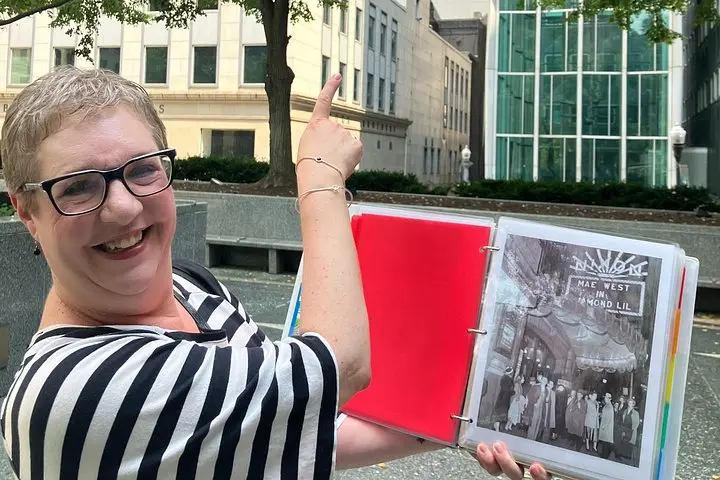
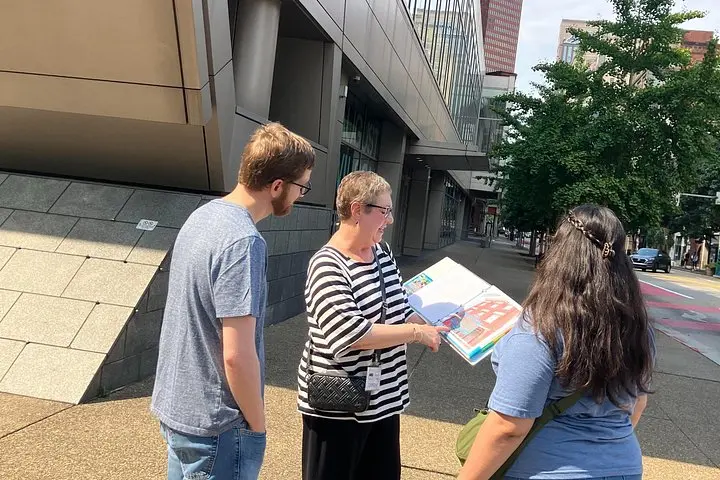
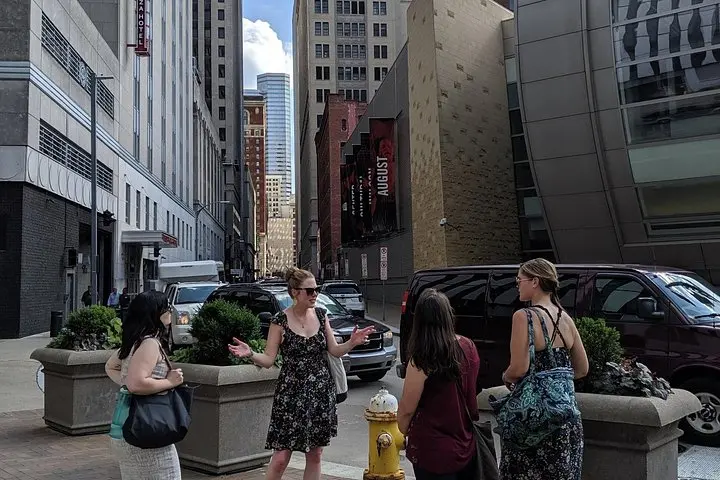
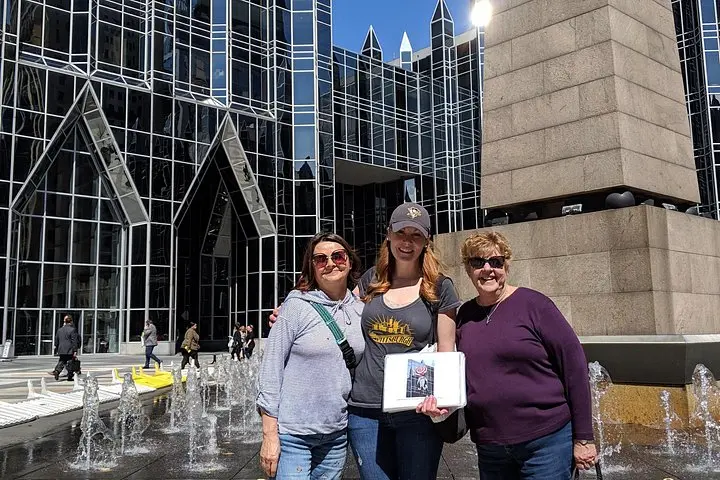
You step out under the awning on Penn Avenue and the city opens like a film set: steel bridges cut the sky, river currents push the city’s low hum toward the downtown park, and a white bicycle propped in a shop window becomes your marquee. The guide—local, quick with trivia and quicker with a smile—maps the next two hours through streets that have doubled as Gotham, blue-collar neighborhoods, and poetic urban backdrops. The city feels cinematic because it often is; Pittsburgh’s topography and architecture practically ask to be filmed.
You step out under the awning on Penn Avenue and the city opens like a film set: steel bridges cut the sky, river currents push the city’s low hum toward the downtown park, and a white bicycle propped in a shop window becomes your marquee. The guide—local, quick with trivia and quicker with a smile—maps the next two hours through streets that have doubled as Gotham, blue-collar neighborhoods, and poetic urban backdrops. The city feels cinematic because it often is; Pittsburgh’s topography and architecture practically ask to be filmed.
Pittsburgh’s cinematic story is born of its industrial past and its geography. Where three rivers converge, neighborhoods climb hills and fall into riverfront flats; that contrast gives filmmakers texture. From the flat expanse of Point State Park to ornate theaters like Heinz Hall and the Benedum Center, Pittsburgh supplied authentic locations for studio productions and indie auteurs alike. Local policy choices—tax incentives and a welcoming permitting culture—turned a regional city into “Hollywood East.” The tour threads these stories with local cultural notes: August Wilson’s echoes in the Hill District, the way a baseball stadium across the Allegheny doubles as a character, and how directors use bridges to stage turning points.
The walking route covers roughly 1.5–2 miles of downtown sidewalks and riverside promenades with minimal elevation change—think steady urban walking, not hiking. Expect multiple photo stops at plazas, bridges, historic facades, and a downtown park where several big scenes were shot. Guides point out specific shots and stand where actors once stood; they also share production details that make a building’s facade read like a storyboard. Kids and dogs are welcome, and the route is wheelchair-accessible, but bring your patience for crowded sidewalks and occasional street construction.
Practical packing: comfortable walking shoes, a lightweight rain jacket, and a charged phone for photos and the occasional archival clip your guide might cue up. Aim for a morning or late-afternoon start to avoid peak pedestrian traffic and to catch warm, sidelong light for photos. Public transit and parking are handy around the convention center; the meeting point is on the Penn Ave side of the David L. Lawrence Convention Center—look for the white bike in the window. Tours run about two hours and accommodate up to 15 people; they’re casual but draw on local knowledge, so bring questions.
Whether you’re a film buff tracing favorite scenes or a curious traveler wanting a different lens on Pittsburgh, the Reel Pittsburgh Movie Tour frames the city as a working film set—places that keep changing roles but always return to the same rugged, river-shaped personality.