THE ADVENTURE COLLECTIVE® · Independent discovery and booking for outdoor travel

Walk the Reeperbahn with an English-speaking local who layers nightlife with true-crime history and local lore. This two-hour evening tour covers Zur Ritze, Herbertstraße, Davidwache and Beatles-Platz while offering insider context on St. Pauli’s evolution.
Walk the Reeperbahn with an English-speaking local who layers nightlife with true-crime history and local lore. This two-hour evening tour covers Zur Ritze, Herbertstraße, Davidwache and Beatles-Platz while offering insider context on St. Pauli’s evolution.
A single street of neon and wet cobblestone opens before you: the Reeperbahn at dusk, pubs exhaling warm light, police sirens pausing like a held breath. On this two-hour English-guided walk, a local guide moves through the alleys and backstreets, pointing out doors, plaques and the small thresholds where history and nightlife meet.
Verified experiences and guided adventures in the surrounding area.
Operated by Sightseeingforyou · Hamburg, Hamburg
A single street of neon and wet cobblestone opens before you: the Reeperbahn at dusk, pubs exhaling warm light, police sirens pausing like a held breath. On this two-hour English-guided walk, a local guide moves through the alleys and backstreets, pointing out doors, plaques and the small thresholds where history and nightlife meet.
The Reeperbahn grew from dockworkers' amusements into Hamburg’s best-known entertainment quarter — die sündigste Meile — shaped by port trade, postwar clubs, and the 1960s beat scene that launched the Beatles. The district’s grit sits on reclaimed marshland and 19th-century warehouse foundations; you’ll notice the tight street grid and mixed-use façades that reflect a working harbor city rather than planned boulevards.
Culturally the walk balances bawdy nightlife with darker chapters: crime stories like Fritz Honka’s, the old boxing cellar Zur Ritze, and the Davidwache police station that features in local lore. Guides explain how the Kiez evolved, who the neighborhood serves now, and where small, off-the-beaten-track bars still retain an old-school feel.
Practicalities are straightforward: expect standing and short walking stretches on uneven pavement, modest lighting in some alleys, and a small group dynamic. The tour includes one beer or soft drink and two shots; bring ID for the drink and wear closed shoes for cobbles. Best times are after sunset when the district comes alive, but book in advance — the experience is compact, vivid, and anchored in real urban history.
The tour covers mature topics and includes alcohol; check the operator’s age policy — minors may be allowed but some venues restrict entry.
The meeting point and route are within a short walk of St. Pauli and Reeperbahn U-/S-Bahn stations, making public transit the easiest option.
The area has uneven cobbles and occasional steps; contact the operator ahead of time to discuss mobility needs and possible route adjustments.
This specific listing is in English; check with the operator for tours in other languages or private multilingual options.
Sightseeingforyou operates guided outdoor trips and adventures with an emphasis on safety, stewardship, and memorable experiences.
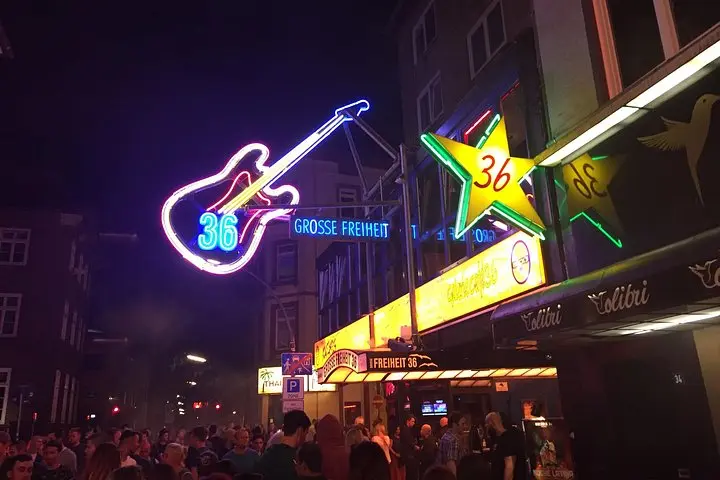
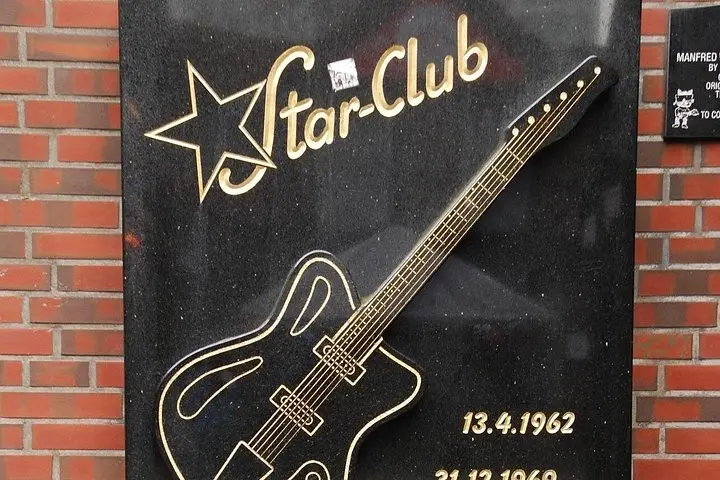
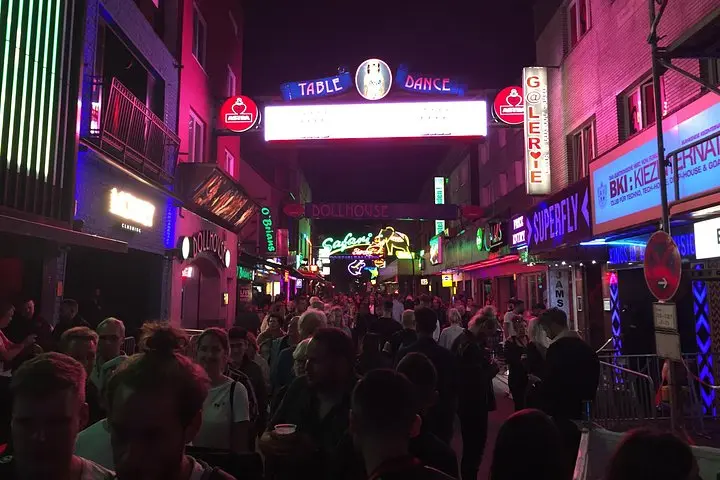
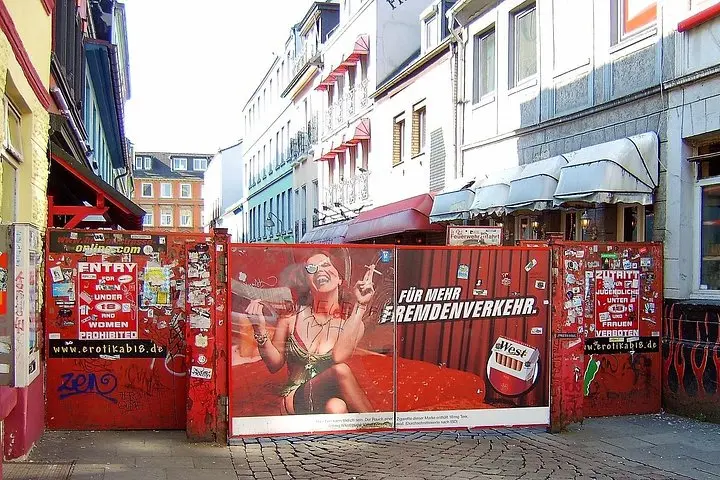
A single street of neon and wet cobblestone opens before you: the Reeperbahn at dusk, pubs exhaling warm light, police sirens pausing like a held breath. On this two-hour English-guided walk, a local guide moves through the alleys and backstreets, pointing out doors, plaques and the small thresholds where history and nightlife meet.
A single street of neon and wet cobblestone opens before you: the Reeperbahn at dusk, pubs exhaling warm light, police sirens pausing like a held breath. On this two-hour English-guided walk, a local guide moves through the alleys and backstreets, pointing out doors, plaques and the small thresholds where history and nightlife meet.
The Reeperbahn grew from dockworkers' amusements into Hamburg’s best-known entertainment quarter — die sündigste Meile — shaped by port trade, postwar clubs, and the 1960s beat scene that launched the Beatles. The district’s grit sits on reclaimed marshland and 19th-century warehouse foundations; you’ll notice the tight street grid and mixed-use façades that reflect a working harbor city rather than planned boulevards.
Culturally the walk balances bawdy nightlife with darker chapters: crime stories like Fritz Honka’s, the old boxing cellar Zur Ritze, and the Davidwache police station that features in local lore. Guides explain how the Kiez evolved, who the neighborhood serves now, and where small, off-the-beaten-track bars still retain an old-school feel.
Practicalities are straightforward: expect standing and short walking stretches on uneven pavement, modest lighting in some alleys, and a small group dynamic. The tour includes one beer or soft drink and two shots; bring ID for the drink and wear closed shoes for cobbles. Best times are after sunset when the district comes alive, but book in advance — the experience is compact, vivid, and anchored in real urban history.