THE ADVENTURE COLLECTIVE® · Independent discovery and booking for outdoor travel

Stand before Maraya and watch desert and design trade places—this guided visit to the world’s largest mirrored building pairs dramatic geology with contemporary architecture. Learn when to go, what to bring, and what to expect during a short, photo-friendly stop in Ashar Valley.
Stand before Maraya and watch desert and design trade places—this guided visit to the world’s largest mirrored building pairs dramatic geology with contemporary architecture. Learn when to go, what to bring, and what to expect during a short, photo-friendly stop in Ashar Valley.
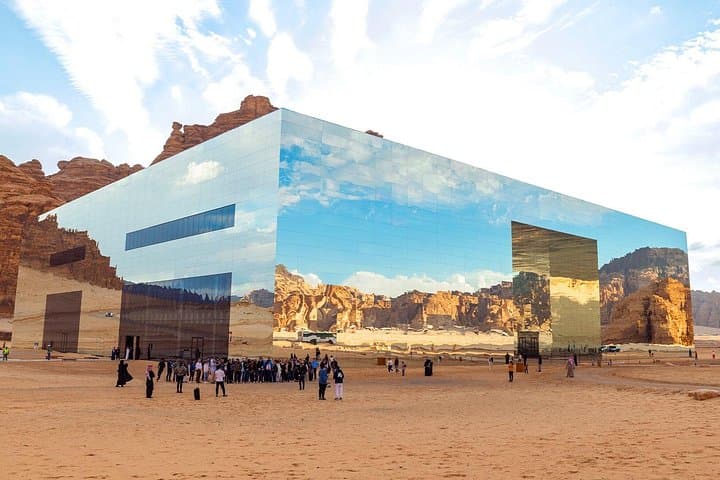
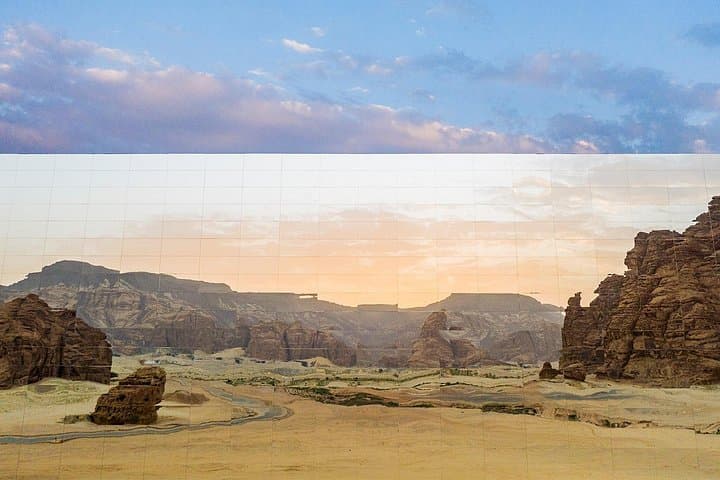
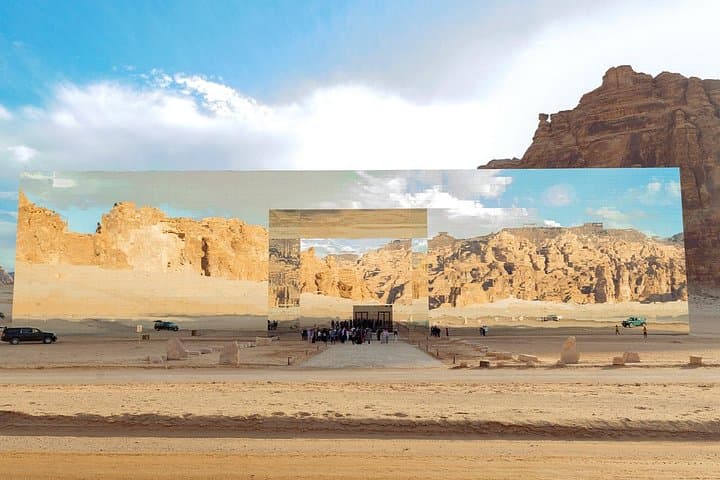
You arrive at the mouth of Ashar Valley with sandstone walls folding light into narrow bands; the desert seems to test your eyes, and then Maraya answers by vanishing into reflection. The building’s mirrored façade picks up the warm ochre of cliffs and the blue of the sky, alternately erasing and revealing human form as if the landscape itself were playing with perception.
Verified experiences and guided adventures in the surrounding area.
Operated by Desert Point Tourism LLC · AlUla, Al Madinah Province
You arrive at the mouth of Ashar Valley with sandstone walls folding light into narrow bands; the desert seems to test your eyes, and then Maraya answers by vanishing into reflection. The building’s mirrored façade picks up the warm ochre of cliffs and the blue of the sky, alternately erasing and revealing human form as if the landscape itself were playing with perception.
Maraya opened in the late 2010s as part of Al Ula’s cultural revitalization, a modern counterpoint to nearby Nabataean and Islamic-era sites. Geologically, Ashar Valley’s wind-sculpted sandstone provides the dramatic backdrop that Maraya uses as its canvas—millions of years of deposition and erosion frame a contemporary architectural gesture. Culturally, the venue has hosted concerts and conferences that aim to link Saudi Arabia’s heritage with new creative programming.
Expect a short guided visit: a scenic drive from Al Ula, 60–90 minutes at the site to walk the plaza and study the reflective panels, and time to photograph the building against shifting light. The mirrored surfaces make for striking midday and sunset images, but glare and heat are considerations in summer.
Practical guidance: arrive early in summer for cooler temperatures and softer light; wear sun-protective clothing and comfortable closed-toe shoes for the paved areas and surrounding gravel. Respect local customs by dressing modestly and following any on-site rules about permitted areas and photography during events. Hydrate, carry a compact camera or phone with good dynamic range, and allow a buffer for traffic during events—Maraya is both a landmark and an active event space, so plan around scheduled performances where possible.
Yes—this experience includes entry to Maraya as part of the visit described in the itinerary.
Plan for approximately 60–90 minutes on-site to walk the plaza, photograph the facade, and absorb the setting.
The site has paved areas and is suitable for many visitors with mobility constraints; check with the operator about specific assistance or vehicle drop-off options.
Photography of the exterior is generally allowed; rules may vary during private events or performances, so follow staff guidance on-site.
Desert Point Tourism LLC operates guided outdoor trips and adventures with an emphasis on safety, stewardship, and memorable experiences.

You arrive at the mouth of Ashar Valley with sandstone walls folding light into narrow bands; the desert seems to test your eyes, and then Maraya answers by vanishing into reflection. The building’s mirrored façade picks up the warm ochre of cliffs and the blue of the sky, alternately erasing and revealing human form as if the landscape itself were playing with perception.
You arrive at the mouth of Ashar Valley with sandstone walls folding light into narrow bands; the desert seems to test your eyes, and then Maraya answers by vanishing into reflection. The building’s mirrored façade picks up the warm ochre of cliffs and the blue of the sky, alternately erasing and revealing human form as if the landscape itself were playing with perception.
Maraya opened in the late 2010s as part of Al Ula’s cultural revitalization, a modern counterpoint to nearby Nabataean and Islamic-era sites. Geologically, Ashar Valley’s wind-sculpted sandstone provides the dramatic backdrop that Maraya uses as its canvas—millions of years of deposition and erosion frame a contemporary architectural gesture. Culturally, the venue has hosted concerts and conferences that aim to link Saudi Arabia’s heritage with new creative programming.
Expect a short guided visit: a scenic drive from Al Ula, 60–90 minutes at the site to walk the plaza and study the reflective panels, and time to photograph the building against shifting light. The mirrored surfaces make for striking midday and sunset images, but glare and heat are considerations in summer.
Practical guidance: arrive early in summer for cooler temperatures and softer light; wear sun-protective clothing and comfortable closed-toe shoes for the paved areas and surrounding gravel. Respect local customs by dressing modestly and following any on-site rules about permitted areas and photography during events. Hydrate, carry a compact camera or phone with good dynamic range, and allow a buffer for traffic during events—Maraya is both a landmark and an active event space, so plan around scheduled performances where possible.