THE ADVENTURE COLLECTIVE® · Independent discovery and booking for outdoor travel

Race the clock through Reims’ historic streets in a two-hour outdoor escape where smartphone clues, noble families and hidden entrances lead you toward a sealed underground platform. Expect light walking, urban puzzles, and on-the-street surprises.
Race the clock through Reims’ historic streets in a two-hour outdoor escape where smartphone clues, noble families and hidden entrances lead you toward a sealed underground platform. Expect light walking, urban puzzles, and on-the-street surprises.
The city hums around you: cobbled streets, church bells and the faint fizz of champagne corks in nearby cellars. Teams fan out with smartphones in hand, following a map of cryptic family houses and old stone doorways as an on-screen timer dares them forward.
Verified experiences and guided adventures in the surrounding area.
Operated by Insolit'PROD · Reims, Grand Est
The city hums around you: cobbled streets, church bells and the faint fizz of champagne corks in nearby cellars. Teams fan out with smartphones in hand, following a map of cryptic family houses and old stone doorways as an on-screen timer dares them forward.
The Curse of the Doomed Passage is an urban outdoor escape that stages its mystery across Reims' historic center. Players trace routes through streets that once guided Roman traders and medieval pilgrims on their way to the coronation cathedral. The city’s limestone façades and narrow alleys become set pieces—each plaque, arch and fountain a clue tied to Reims’ long history as a coronation city and a hub of winemaking.
Culturally the game leans on local lore: noble households, servants and a hidden platform reportedly sealed beneath the city. Geologically, the soft Champagne limestone that built Reims provides the pale, chalky backdrop that makes carved inscriptions easy to read and hides cellar entrances that shaped the town’s economy.
Practically, expect two hours of light walking and puzzle-solving, most of it on paved surfaces. Play uses a mobile app and a single game code per team; photos and videos are saved to participants’ phones. Teams should plan for city foot traffic, occasional outdoor seating, and public transit access near the start point.
Tips for success: charge devices, download the app beforehand, split tasks among teammates (navigation, clue solving, timekeeping), and leave time for a celebratory stop at a café or a quick detour to see Porte de Mars after the game.
The booking provides one game code per team; small groups (2–6) work best to split navigation and puzzles.
Yes—physical demands are light, but puzzles may require reading and problem solving; ages 10+ are recommended with adult supervision.
You can play at your chosen time without prior reservation, but the game is time‑limited to two hours once started on your device.
Yes—the activity notes indicate wheelchair accessibility for surfaces and transportation; some historic areas may have uneven paving.
Insolit'PROD operates guided outdoor trips and adventures with an emphasis on safety, stewardship, and memorable experiences.

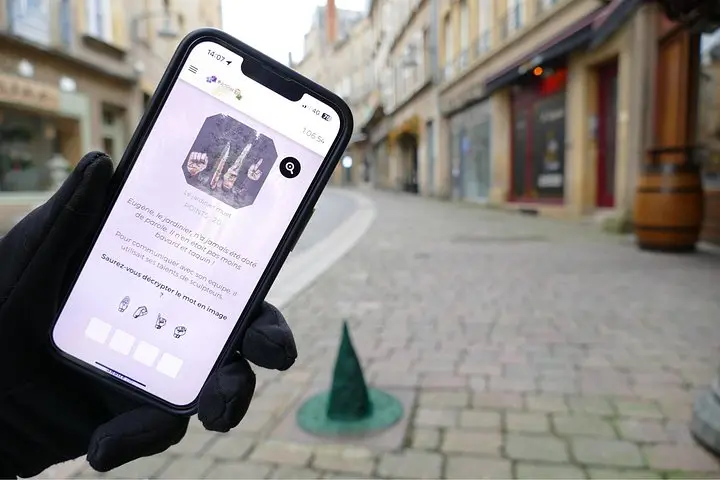
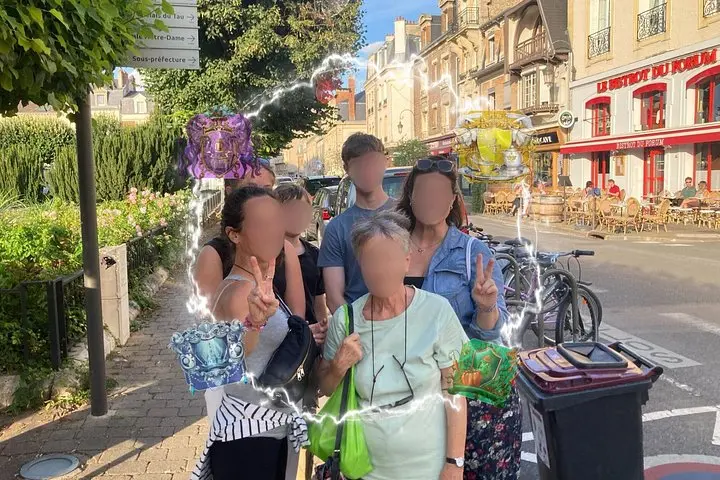

The city hums around you: cobbled streets, church bells and the faint fizz of champagne corks in nearby cellars. Teams fan out with smartphones in hand, following a map of cryptic family houses and old stone doorways as an on-screen timer dares them forward.
The city hums around you: cobbled streets, church bells and the faint fizz of champagne corks in nearby cellars. Teams fan out with smartphones in hand, following a map of cryptic family houses and old stone doorways as an on-screen timer dares them forward.
The Curse of the Doomed Passage is an urban outdoor escape that stages its mystery across Reims' historic center. Players trace routes through streets that once guided Roman traders and medieval pilgrims on their way to the coronation cathedral. The city’s limestone façades and narrow alleys become set pieces—each plaque, arch and fountain a clue tied to Reims’ long history as a coronation city and a hub of winemaking.
Culturally the game leans on local lore: noble households, servants and a hidden platform reportedly sealed beneath the city. Geologically, the soft Champagne limestone that built Reims provides the pale, chalky backdrop that makes carved inscriptions easy to read and hides cellar entrances that shaped the town’s economy.
Practically, expect two hours of light walking and puzzle-solving, most of it on paved surfaces. Play uses a mobile app and a single game code per team; photos and videos are saved to participants’ phones. Teams should plan for city foot traffic, occasional outdoor seating, and public transit access near the start point.
Tips for success: charge devices, download the app beforehand, split tasks among teammates (navigation, clue solving, timekeeping), and leave time for a celebratory stop at a café or a quick detour to see Porte de Mars after the game.