THE ADVENTURE COLLECTIVE® · Independent discovery and booking for outdoor travel

Spend Remembrance Day underground at the Diefenbunker in Ottawa with free admission, Cold War oral histories, and an 11 a.m. moment of silence. This quiet, powerful museum experience links technical Cold War infrastructure to the veterans’ stories that shaped it.
Spend Remembrance Day underground at the Diefenbunker in Ottawa with free admission, Cold War oral histories, and an 11 a.m. moment of silence. This quiet, powerful museum experience links technical Cold War infrastructure to the veterans’ stories that shaped it.
Book with Diefenbunker: Canada's Cold War Museum
Verified experiences and guided adventures in the surrounding area.
Operated by Diefenbunker: Canada's Cold War Museum · Ottawa, Ontario
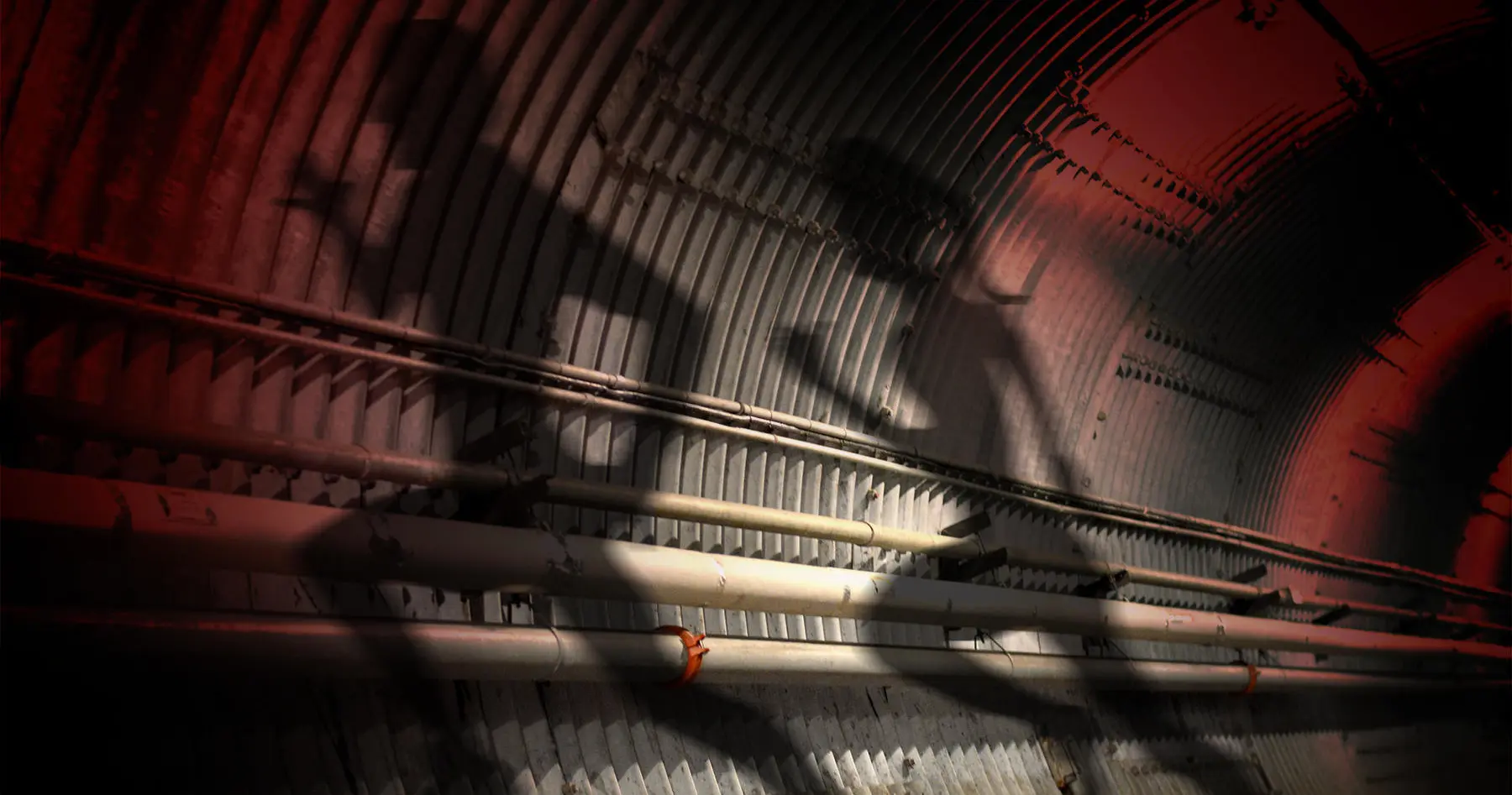
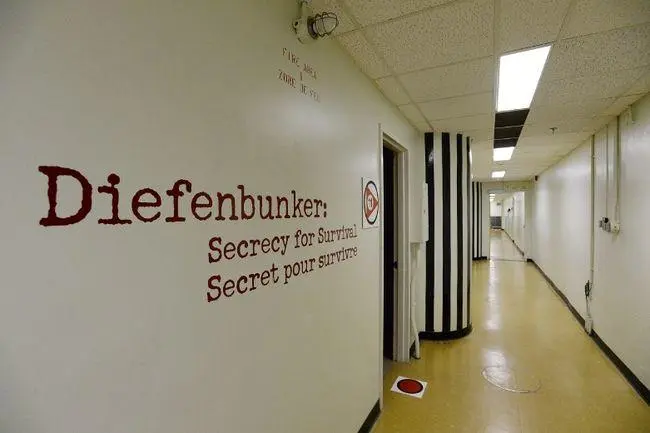
On November 11, 2026, the Diefenbunker in Ottawa opens its concrete chambers to the public for Remembrance Day, offering free general admission to explore Cold War history beneath the city. Located at the Diefenbunker — Canada’s Cold War Museum — just outside central Ottawa, this four-storey underground bunker was an active military installation for 32 years and still carries the precise, industrial feel of a place designed to survive disaster. Visitors enter a low-slung fortress of poured concrete and steel where exhibits map the era’s anxieties: decommissioned control rooms, the Machine Room’s mechanical backbone, and the imposing Bank of Canada Vault. On Remembrance Day the museum pauses at 11 a.m. for a moment of silence; afterwards the public is invited to place poppies on the wreath kept in the vault. While guided tours will not be offered for this event, oral history videos from Cold War veterans play near the Machine Room, and the exhibition An Inuit Story: The DEW Line documents Indigenous contributions to continental defence. The experience is tactile and immediate: worn switch panels, stamped placards, thick blast doors, and the low hum of interpretive displays. Geological fans will note the man-made, sub-surface nature of the site rather than a natural formation — the Diefenbunker’s significance is architectural and historical rather than scenic. Look for quieter corners where curators preserve artifacts from daily life at a facility built to withstand nuclear threat. Practical visitors will appreciate the straightforward schedule: free admission all day on November 11, a moment of silence at 11 a.m., and rotating exhibit screens that foreground first-person testimony. With no guided tours, allow 60–90 minutes to watch videos, read panels, and spend time at the Bank of Canada Vault and the DEW Line installation. The museum’s placement near Ottawa makes it an accessible excursion for anyone staying in the city. This Remembrance Day visit shifts the focus from spectacle to reflection. It’s an opportunity to connect technical Cold War infrastructure—control rooms, vaults, communications arrays—with the human stories that lived inside them. For history-minded travelers, families of veterans, and any visitor curious about Canada’s mid‑20th-century civil defense, the Diefenbunker offers a rare, subterranean view into a tense chapter of national history. Check the museum site for programs during Veterans’ Week, and bring time for quiet observation at the wreath in the Bank of Canada Vault. Plan transit or parking ahead: the site sits outside central Ottawa and can be reached by car in about 30 minutes from downtown, depending on traffic. Expect dimly lit corridors and low ceilings; visitors with mobility concerns should contact the museum for details. Photography is allowed in most spaces but be respectful during the moment of silence. Bring warm layers, please.
Yes — the Diefenbunker offers free general admission on November 11, 2026; standard admission applies other days, so check the museum website for regular hours and prices.
No — guided tours will not be offered for the Remembrance Day event; exhibits and video displays are available for self-guided exploration.
Plan about 60–90 minutes to view the main exhibits, watch oral history videos, and spend time at the Bank of Canada Vault and DEW Line installation.
Accessibility details were not provided in the event listing; visitors with mobility concerns should contact the museum directly for the most current access information.
Yes — after the 11 a.m. moment of silence visitors are invited to lay a poppy on the wreath in the Bank of Canada Vault.
Photography is allowed in most areas, but be respectful: avoid flash where directed and do not photograph during the moment of silence or in restricted exhibits.
Diefenbunker: Canada’s Cold War Museum in Ottawa, Ontario preserves one of Canada’s most significant Cold War artifacts and offers immersive public programs that bring underground history to life. The museum operates self-guided and guided experiences including general admission, flexible ticketing, free parking, and a complimentary shuttle between downtown Ottawa and the site for summer 2025. Visitors can explore museum exhibits at their own pace or join scheduled guided tours and group tours, with some group options allowing individual payments. Educational programs include Spy Camp for children aged 5 to 10, featuring disguise techniques, codebreaking, and Cold War technology, plus a Counsellor‑in‑Training (CIT) leadership program for youth aged 12 to 15. Birthday parties for children aged 7 to 12 provide spy‑themed missions and hands‑on activities. Seasonal events include a Toddlers’ Halloween Hunt and theatrical performances such as “Dief the Chief: October ’62,” a one‑hour show set 75 feet underground starring actor Pierre Brault. The museum supports ongoing engagement through an Annual Pass offering year‑round access and the monthly e‑newsletter News from Underground. The Cold War Speaker Series delivers virtual expert talks with advance registration. Facilities feature visitor conveniences such as free parking and a new summer shuttle connecting the Canadian War Museum and the Diefenbunker from July 10 to September 21, 2025. With clear ticketing options and a range of family and educational programs, the Diefenbunker provides a secure, documented setting for learning about Cold War history. Operating as a museum facility, it preserves artifacts, archives, and educational resources for researchers.

Book with Diefenbunker: Canada's Cold War Museum