THE ADVENTURE COLLECTIVE® · Independent discovery and booking for outdoor travel

Escape the crowds for a full‑day voyage to the Holandeses Cays in San Blas. Expect clear water, shallow natural pools, guided snorkel stops, and an authentic Kuna‑run island lunch—plus a long but scenic 4x4 and boat transfer from Panama City.
Escape the crowds for a full‑day voyage to the Holandeses Cays in San Blas. Expect clear water, shallow natural pools, guided snorkel stops, and an authentic Kuna‑run island lunch—plus a long but scenic 4x4 and boat transfer from Panama City.
You step off the motorboat into warm, waist‑deep water and the ocean seems to hold you — glassy turquoise one moment, playful with small waves the next. Coconut palms tilt away from the salt breeze, and the sand beneath your feet is soft enough to sink an hour into hammock naps. This is Holandeses Cays: remote isles in the Guna Yala archipelago where the pace is measured by tides and shaded boats anchored just offshore.
Verified experiences and guided adventures in the surrounding area.
Operated by Tao Travel 365 · Port of Carti, Guna Yala
You step off the motorboat into warm, waist‑deep water and the ocean seems to hold you — glassy turquoise one moment, playful with small waves the next. Coconut palms tilt away from the salt breeze, and the sand beneath your feet is soft enough to sink an hour into hammock naps. This is Holandeses Cays: remote isles in the Guna Yala archipelago where the pace is measured by tides and shaded boats anchored just offshore.
Geology here is straightforward coral and sand atop a submerged continental shelf; the islands were formed by reef growth and wave‑sorted sand, producing wide shallow beaches and protected lagoons. The Guna (Kuna) people govern these islands—autonomous, maritime communities with a long history of fishing, boatbuilding, and mola textile art. Expect practical, locally run services: simple kitchens, shaded dining, and respectful cultural boundaries—ask before photographing villagers.
Practically, this is a long, full day: a 2.5–3 hour 4x4 transfer from Panama City, a bumpy 20–40 minute boat ride, time ashore for snorkeling, a natural sandbank “pool,” and a freshly prepared island lunch. Snorkel gear is often supplied but bring your own for fit and hygiene. There are no ATMs; bring cash and your passport—entry to Guna territory requires it. Seas can be choppy and rain is possible year‑round, so pack motion‑sickness meds, reef‑safe sunscreen, a dry bag, and flexible patience. The reward is clear: uncrowded reefs, calm natural pools dotted with sea stars, and an immersive encounter with island life that feels a world away from Panama City.
Yes—original passport is required to enter the Guna Yala territory and to board at Port of Carti.
Expect about 2.5–3 hours each way by shared 4x4 and roughly 20–40 minutes by boat to the Holandeses Cays.
Snorkel masks and fins are often available but limited—bringing your own ensures better fit and comfort.
A cooked lunch (fish or chicken with sides) and one beverage are included; additional snacks and drinks can be purchased before departure or on the islands if available.
Tao Travel 365 operates guided outdoor trips and adventures with an emphasis on safety, stewardship, and memorable experiences.
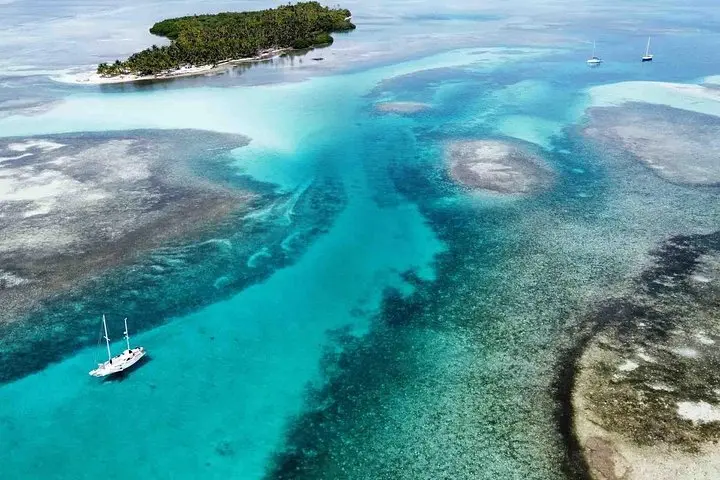
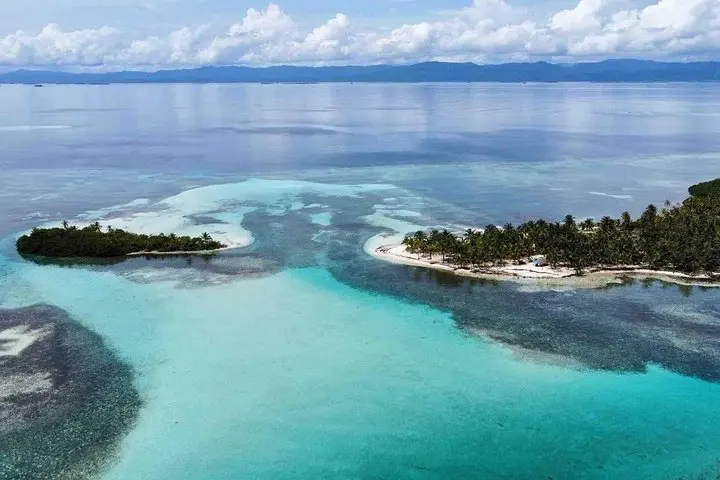
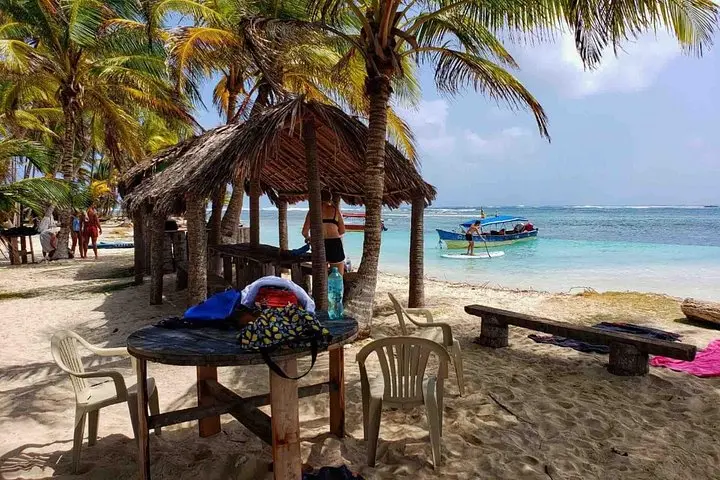
You step off the motorboat into warm, waist‑deep water and the ocean seems to hold you — glassy turquoise one moment, playful with small waves the next. Coconut palms tilt away from the salt breeze, and the sand beneath your feet is soft enough to sink an hour into hammock naps. This is Holandeses Cays: remote isles in the Guna Yala archipelago where the pace is measured by tides and shaded boats anchored just offshore.
You step off the motorboat into warm, waist‑deep water and the ocean seems to hold you — glassy turquoise one moment, playful with small waves the next. Coconut palms tilt away from the salt breeze, and the sand beneath your feet is soft enough to sink an hour into hammock naps. This is Holandeses Cays: remote isles in the Guna Yala archipelago where the pace is measured by tides and shaded boats anchored just offshore.
Geology here is straightforward coral and sand atop a submerged continental shelf; the islands were formed by reef growth and wave‑sorted sand, producing wide shallow beaches and protected lagoons. The Guna (Kuna) people govern these islands—autonomous, maritime communities with a long history of fishing, boatbuilding, and mola textile art. Expect practical, locally run services: simple kitchens, shaded dining, and respectful cultural boundaries—ask before photographing villagers.
Practically, this is a long, full day: a 2.5–3 hour 4x4 transfer from Panama City, a bumpy 20–40 minute boat ride, time ashore for snorkeling, a natural sandbank “pool,” and a freshly prepared island lunch. Snorkel gear is often supplied but bring your own for fit and hygiene. There are no ATMs; bring cash and your passport—entry to Guna territory requires it. Seas can be choppy and rain is possible year‑round, so pack motion‑sickness meds, reef‑safe sunscreen, a dry bag, and flexible patience. The reward is clear: uncrowded reefs, calm natural pools dotted with sea stars, and an immersive encounter with island life that feels a world away from Panama City.