THE ADVENTURE COLLECTIVE® · Independent discovery and booking for outdoor travel

Walk Galle Fort with a resident guide and discover untold neighborhood stories, colonial layers, and local travel tips. This 90-minute private tour blends history with present-day life for an intimate look at Sri Lanka’s fortified port.
Walk Galle Fort with a resident guide and discover untold neighborhood stories, colonial layers, and local travel tips. This 90-minute private tour blends history with present-day life for an intimate look at Sri Lanka’s fortified port.
Step onto the ramparts and the Indian Ocean wind dares you to slow down. Cobbled streets roll past faded colonial facades, painted shopfronts and small tea shops where mornings smell of cardamom and brewing Ceylon tea. A resident guide leads a measured ninety-minute walk that reads the fort as a living neighborhood rather than a postcard.
Verified experiences and guided adventures in the surrounding area.
Operated by Madawa Galagedara · Galle, Southern Province
Step onto the ramparts and the Indian Ocean wind dares you to slow down. Cobbled streets roll past faded colonial facades, painted shopfronts and small tea shops where mornings smell of cardamom and brewing Ceylon tea. A resident guide leads a measured ninety-minute walk that reads the fort as a living neighborhood rather than a postcard.
Galle Fort began as a Portuguese trading post in the 16th century and was rebuilt and expanded into its current star-shaped form by the Dutch in the 17th century; British-era additions followed. Geologically the fort sits on a rocky promontory and reclaimed shoreline where coral and coastal rock meet the Gulf of Mannar’s currents — the ramparts were designed to meet sea-swept threats and now offer clear views across the bay.
This tour focuses on people: families who stayed through the colonial transitions, entrepreneurs who reshaped commerce after the 2004 tsunami, and everyday stories omitted from guidebooks. Expect local legends, building histories, and practical travel advice from someone who lives here.
Practical notes: the pace is easy and conversational — good for most fitness levels; wear sturdy walking shoes for uneven cobbles and bring sun protection. Tours are private, often start from the fort’s central precinct, and guests are encouraged to ask questions. Small entry fees may apply at some museums; carry local cash. Morning or late-afternoon departures avoid the midday heat and deliver the best light for photos and cooler walking on the ramparts.
The tour lasts about 90 minutes and is designed as a leisurely, private walk through the fort precincts.
Yes — the route is generally stroller-accessible though cobbles and occasional steps may require extra care.
Standard walking tour pricing typically does not include optional museum entrance fees; bring small cash for those stops.
Yes — the resident guides often offer travel advice and recommendations for onward travel across Sri Lanka.
Madawa Galagedara operates guided outdoor trips and adventures with an emphasis on safety, stewardship, and memorable experiences.
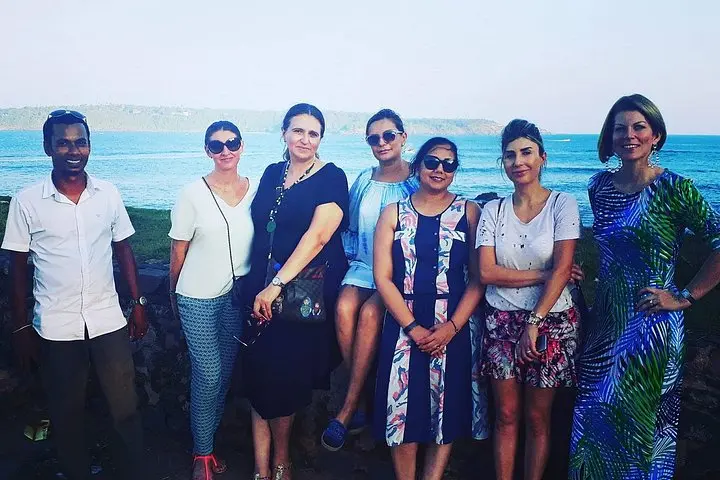
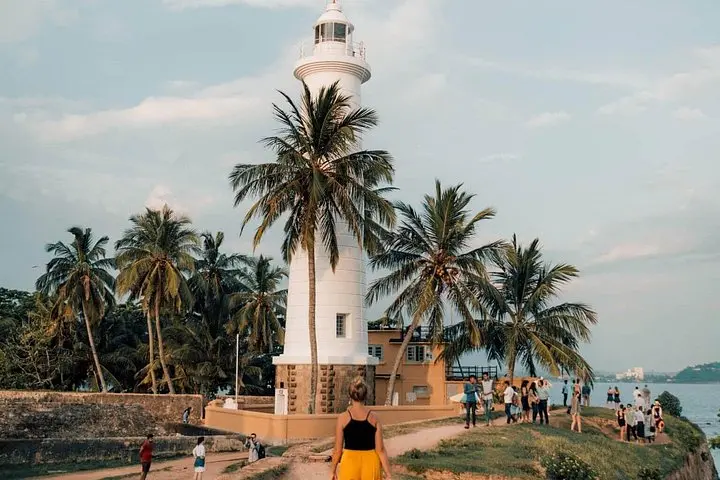

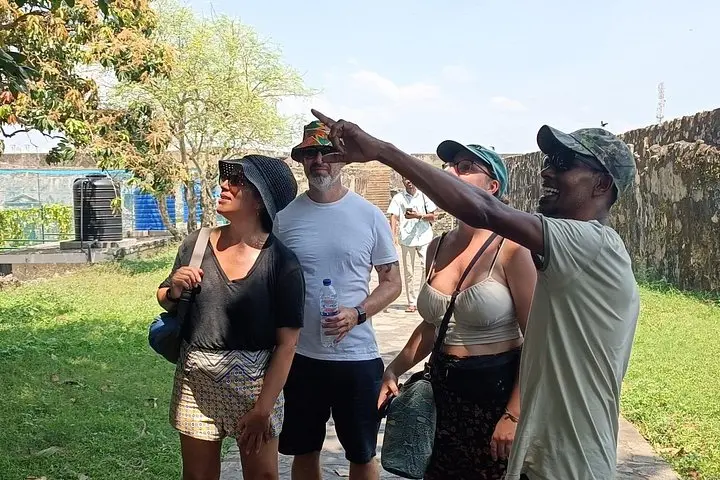
Step onto the ramparts and the Indian Ocean wind dares you to slow down. Cobbled streets roll past faded colonial facades, painted shopfronts and small tea shops where mornings smell of cardamom and brewing Ceylon tea. A resident guide leads a measured ninety-minute walk that reads the fort as a living neighborhood rather than a postcard.
Step onto the ramparts and the Indian Ocean wind dares you to slow down. Cobbled streets roll past faded colonial facades, painted shopfronts and small tea shops where mornings smell of cardamom and brewing Ceylon tea. A resident guide leads a measured ninety-minute walk that reads the fort as a living neighborhood rather than a postcard.
Galle Fort began as a Portuguese trading post in the 16th century and was rebuilt and expanded into its current star-shaped form by the Dutch in the 17th century; British-era additions followed. Geologically the fort sits on a rocky promontory and reclaimed shoreline where coral and coastal rock meet the Gulf of Mannar’s currents — the ramparts were designed to meet sea-swept threats and now offer clear views across the bay.
This tour focuses on people: families who stayed through the colonial transitions, entrepreneurs who reshaped commerce after the 2004 tsunami, and everyday stories omitted from guidebooks. Expect local legends, building histories, and practical travel advice from someone who lives here.
Practical notes: the pace is easy and conversational — good for most fitness levels; wear sturdy walking shoes for uneven cobbles and bring sun protection. Tours are private, often start from the fort’s central precinct, and guests are encouraged to ask questions. Small entry fees may apply at some museums; carry local cash. Morning or late-afternoon departures avoid the midday heat and deliver the best light for photos and cooler walking on the ramparts.