THE ADVENTURE COLLECTIVE® · Independent discovery and booking for outdoor travel

Set off from Papeete for a small-group, half-day whale-watching excursion focused on respectful, low-impact encounters with humpbacks. Expect naturalist-guided sightings, possible snorkeling in the lagoon, and clear conservation-minded protocols.
Set off from Papeete for a small-group, half-day whale-watching excursion focused on respectful, low-impact encounters with humpbacks. Expect naturalist-guided sightings, possible snorkeling in the lagoon, and clear conservation-minded protocols.
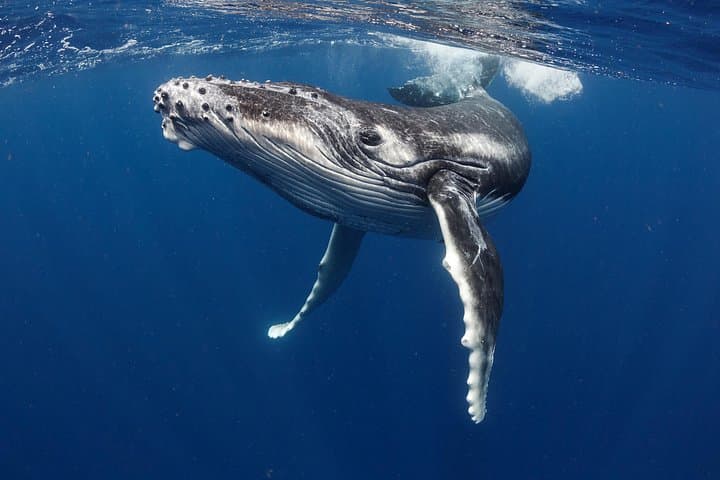
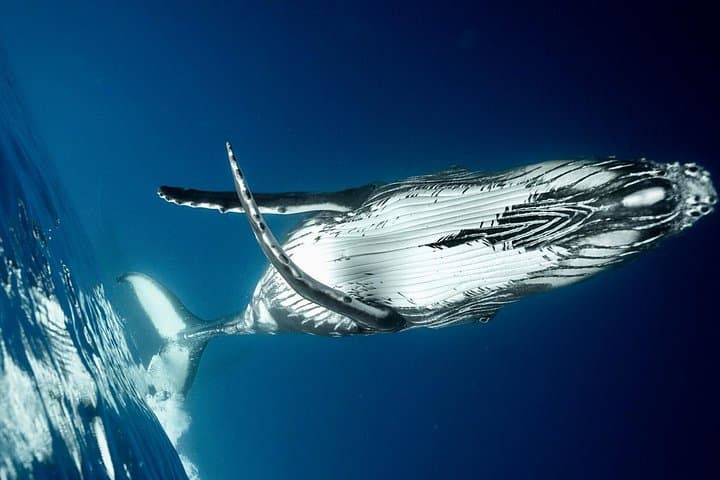
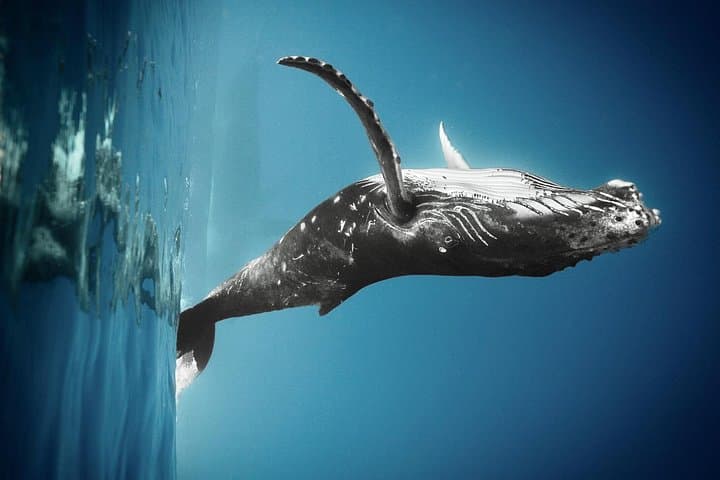
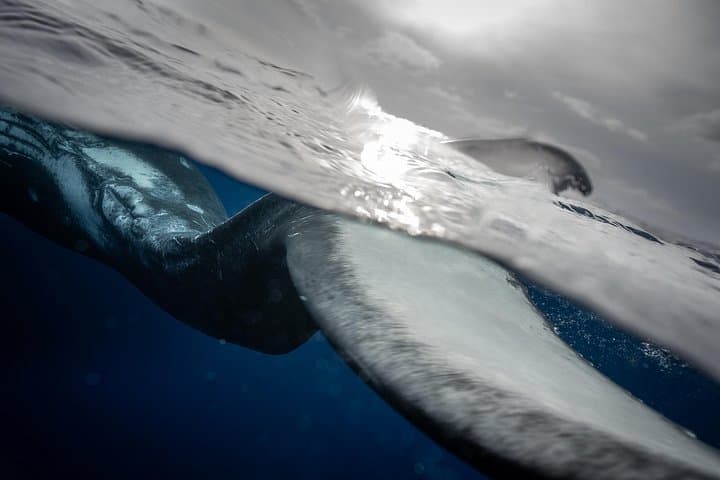
The marina slips away and the harbor noise thins to gull calls; the boat noses into blue that changes by the minute—lagoon turquoise near shore, Pacific navy beyond the reef. Onboard, a small group of a dozen passengers leans into the bow as the naturalist scans with binoculars. The sea feels alive: swells breathe, and when a humpback surfaces it announces itself with a spray and a slow, authoritative roll.
Verified experiences and guided adventures in the surrounding area.
Operated by Tahiti By Boat · Papeete, Tahiti
The marina slips away and the harbor noise thins to gull calls; the boat noses into blue that changes by the minute—lagoon turquoise near shore, Pacific navy beyond the reef. Onboard, a small group of a dozen passengers leans into the bow as the naturalist scans with binoculars. The sea feels alive: swells breathe, and when a humpback surfaces it announces itself with a spray and a slow, authoritative roll.
Tahiti is volcanic—steep basalt ridges give way to a shallow coral lagoon that shelters rich feeding and breeding grounds. Humpbacks migrate from Antarctic feeding areas to these warmer waters in the southern winter months, drawn by calm lagoons and the islands’ relative shelter. Polynesian culture treats the ocean as kin; respectful approaches and quiet observation mirror local practice.
This half-day, small-boat outing from Papeete focuses on low-impact encounters. Guides use distance, patient drifting, and clear rules for entering the water; swims with whales happen only when conditions and animal behavior allow. Expect a mix of dolphin sightings en route, guided naturalist commentary, then time for snorkeling on the return in the lagoon among tropical fish.
Practical notes: the trip runs roughly 4–5 hours, departs from Papeete Marina, and provides masks, fins, snorkels, life jackets, water and fruit. Wear reef-safe sunscreen, bring motion-sickness meds and a waterproof camera. Remember: sightings aren’t guaranteed. The experience rewards patience—when a humpback appears, it doesn’t just show up; it alters everything around it.
Humpbacks are most commonly seen during the austral winter and spring months (roughly July–October), though sightings can occur outside those windows depending on migration timing.
Swimming with whales is permitted only when conditions and animal behavior make it safe; it is not guaranteed and is always guided by strict distance and interaction rules.
The boat accommodates up to 12 passengers and is accessible in many areas, but children must sit on laps if infants; travelers should disclose mobility needs—some movement on deck is required.
Operators emphasize respectful wildlife viewing and will still offer dolphin watching, naturalist commentary, and a lagoon snorkel; cancellations due to weather may be fully refunded if made in advance.
Tahiti By Boat operates guided outdoor trips and adventures with an emphasis on safety, stewardship, and memorable experiences.
The marina slips away and the harbor noise thins to gull calls; the boat noses into blue that changes by the minute—lagoon turquoise near shore, Pacific navy beyond the reef. Onboard, a small group of a dozen passengers leans into the bow as the naturalist scans with binoculars. The sea feels alive: swells breathe, and when a humpback surfaces it announces itself with a spray and a slow, authoritative roll.
The marina slips away and the harbor noise thins to gull calls; the boat noses into blue that changes by the minute—lagoon turquoise near shore, Pacific navy beyond the reef. Onboard, a small group of a dozen passengers leans into the bow as the naturalist scans with binoculars. The sea feels alive: swells breathe, and when a humpback surfaces it announces itself with a spray and a slow, authoritative roll.
Tahiti is volcanic—steep basalt ridges give way to a shallow coral lagoon that shelters rich feeding and breeding grounds. Humpbacks migrate from Antarctic feeding areas to these warmer waters in the southern winter months, drawn by calm lagoons and the islands’ relative shelter. Polynesian culture treats the ocean as kin; respectful approaches and quiet observation mirror local practice.
This half-day, small-boat outing from Papeete focuses on low-impact encounters. Guides use distance, patient drifting, and clear rules for entering the water; swims with whales happen only when conditions and animal behavior allow. Expect a mix of dolphin sightings en route, guided naturalist commentary, then time for snorkeling on the return in the lagoon among tropical fish.
Practical notes: the trip runs roughly 4–5 hours, departs from Papeete Marina, and provides masks, fins, snorkels, life jackets, water and fruit. Wear reef-safe sunscreen, bring motion-sickness meds and a waterproof camera. Remember: sightings aren’t guaranteed. The experience rewards patience—when a humpback appears, it doesn’t just show up; it alters everything around it.