THE ADVENTURE COLLECTIVE® · Independent discovery and booking for outdoor travel

Spend a full day moving from limestone caves and traditional olive presses to Margarites’ pottery workshops and Arkadi Monastery. Taste local oils and honeys, learn artisanal techniques, and finish wandering Rethymno’s historic alleys.
Spend a full day moving from limestone caves and traditional olive presses to Margarites’ pottery workshops and Arkadi Monastery. Taste local oils and honeys, learn artisanal techniques, and finish wandering Rethymno’s historic alleys.
A minivan eases away from Rethymno's old town and the road climbs into olive-scattered hills where the air carries a salty edge and the groves seem to hum with history.
Verified experiences and guided adventures in the surrounding area.
Operated by Unique Crete Tours · Rethymno, Crete
A minivan eases away from Rethymno's old town and the road climbs into olive-scattered hills where the air carries a salty edge and the groves seem to hum with history.
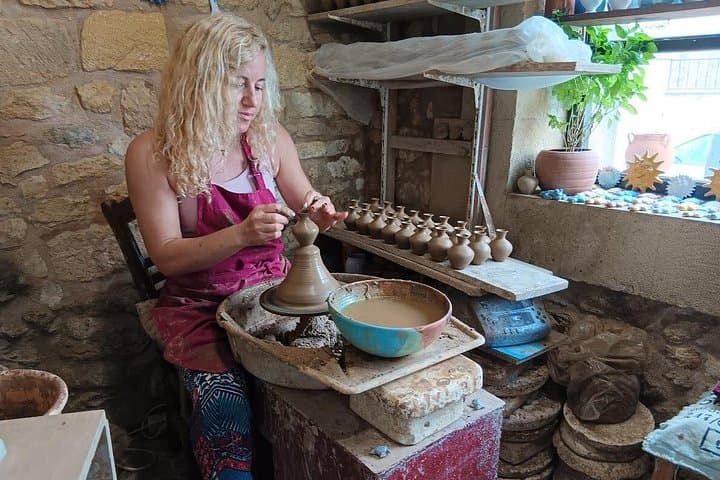
You begin at Melidoni Cave, a cool throat in limestone where stalactites hang like slow-made chandeliers and the cavern's story reaches back to antiquity. From geology to craft, the day threads together Cretan life: an olive press where centuries-old techniques meet modern hydraulics; a honey museum where beekeeping practices and local flora explain why Cretan thyme honey is so prized; the clay-fired alleys of Margarites, where potters spin and shape forms the same way their grandparents did.
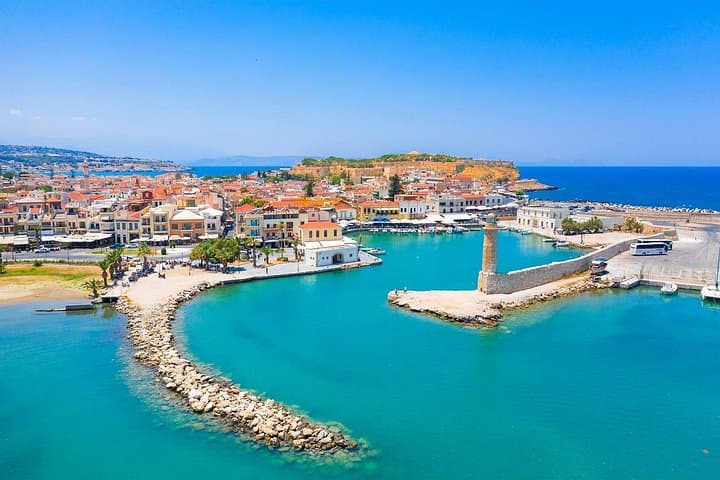
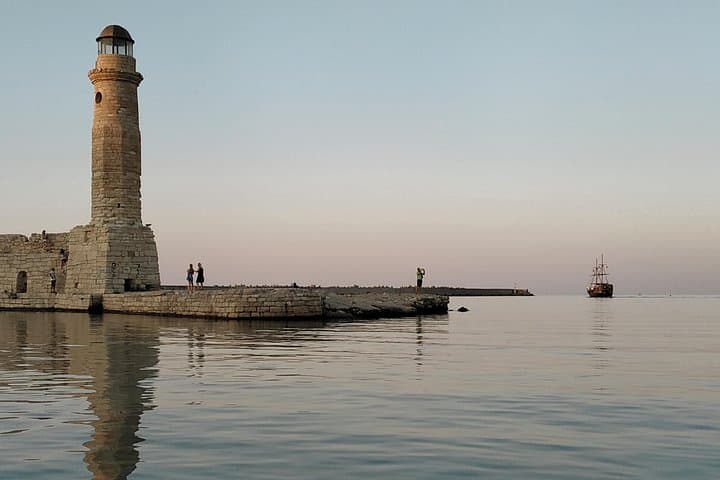
Arkadi Monastery closes the cultural loop — a 19th-century site of resistance whose stone walls frame both sorrow and pride, while Rethymno’s Venetian façades remind you of layered rule and trade that shaped island foodways.
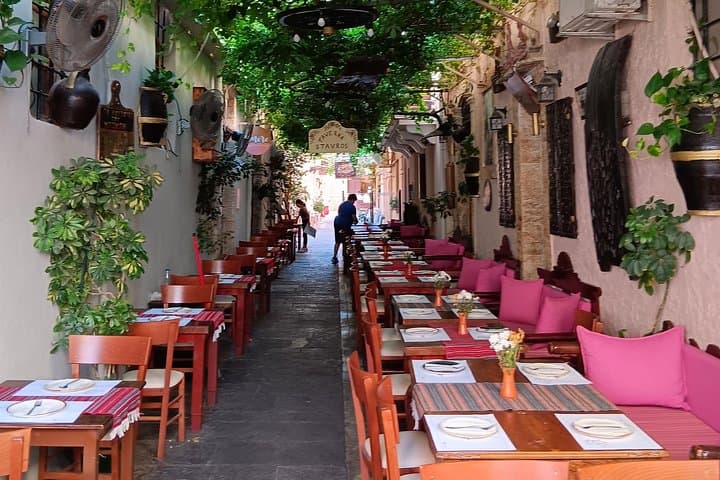
Practical notes: expect a full 8–9 hour outing with 4–5 hours on foot at stops and the rest in comfortable transfers. Surfaces vary from paved village lanes to uneven cave floors and mill yards; moderate mobility helps but intense fitness is not required. Bring sun protection, a reusable water bottle, and a light layer for cool cave air. Tasting portions are generous but explore slowly — olive oil and honey pairings can be intense. This tour is best scheduled mid-morning to maximize light in villages and avoid hottest midday traffic, leaving time to linger in Rethymno’s old-town tavernas at the end of the day.
Some sites require separate admission; the itinerary notes when admission is not included, so bring cash or card to cover entry if needed.
Yes — pickup and drop-off from hotels, the harbor, or designated meeting points in Rethymno are included in the tour.
Yes — the tour is stroller accessible, but cave areas have steps and uneven flooring where carrying small children may be necessary.
Yes — most stops have small on-site shops or workshops; vendors accept cash and cards but smaller bills are helpful for local purchases.
Unique Crete Tours operates guided outdoor trips and adventures with an emphasis on safety, stewardship, and memorable experiences.
A minivan eases away from Rethymno's old town and the road climbs into olive-scattered hills where the air carries a salty edge and the groves seem to hum with history.
A minivan eases away from Rethymno's old town and the road climbs into olive-scattered hills where the air carries a salty edge and the groves seem to hum with history.
You begin at Melidoni Cave, a cool throat in limestone where stalactites hang like slow-made chandeliers and the cavern's story reaches back to antiquity. From geology to craft, the day threads together Cretan life: an olive press where centuries-old techniques meet modern hydraulics; a honey museum where beekeeping practices and local flora explain why Cretan thyme honey is so prized; the clay-fired alleys of Margarites, where potters spin and shape forms the same way their grandparents did.
Arkadi Monastery closes the cultural loop — a 19th-century site of resistance whose stone walls frame both sorrow and pride, while Rethymno’s Venetian façades remind you of layered rule and trade that shaped island foodways.
Practical notes: expect a full 8–9 hour outing with 4–5 hours on foot at stops and the rest in comfortable transfers. Surfaces vary from paved village lanes to uneven cave floors and mill yards; moderate mobility helps but intense fitness is not required. Bring sun protection, a reusable water bottle, and a light layer for cool cave air. Tasting portions are generous but explore slowly — olive oil and honey pairings can be intense. This tour is best scheduled mid-morning to maximize light in villages and avoid hottest midday traffic, leaving time to linger in Rethymno’s old-town tavernas at the end of the day.