THE ADVENTURE COLLECTIVE® · Independent discovery and booking for outdoor travel

Take the reverse Road to Hana in a convertible Bronco or Jeep and see Maui’s coast differently—hidden waterfalls, black and red sand coves, and cultural storytelling by guides trained in Hawaiian practices. This private, full-day tour customizes stops to conditions and your interests.
Take the reverse Road to Hana in a convertible Bronco or Jeep and see Maui’s coast differently—hidden waterfalls, black and red sand coves, and cultural storytelling by guides trained in Hawaiian practices. This private, full-day tour customizes stops to conditions and your interests.
The engine rumble of a classic Bronco fades under a sheet of wet jungle as the convertible top opens to a wind that smells of salt and guava. On JourneyJill’s Reverse Road to Hana tour, the road doesn’t just curve—it insists. Starting near Paia and pushing clockwise around Maui’s eastern rim, the route reveals coastline that prefers surprise over spectacle: hidden waterfalls that thread down cliffs, unexpected black and red sand coves, and one-lane bridges that force brief rites of passage between strangers.
Verified experiences and guided adventures in the surrounding area.
Operated by JourneyJill Tours · Hana, Hawaii
The engine rumble of a classic Bronco fades under a sheet of wet jungle as the convertible top opens to a wind that smells of salt and guava. On JourneyJill’s Reverse Road to Hana tour, the road doesn’t just curve—it insists. Starting near Paia and pushing clockwise around Maui’s eastern rim, the route reveals coastline that prefers surprise over spectacle: hidden waterfalls that thread down cliffs, unexpected black and red sand coves, and one-lane bridges that force brief rites of passage between strangers.
This is not a simple sightseeing loop. The tour is taught by guides who study with Hawaiian cultural practitioners and speak in moʻolelo—stories that stitch landscape to lineage. Ke'anae’s taro fields are evidence of agricultural systems centuries old; lava tubes map the story of Maui’s volcanic birth; and roadside food stands keep the island’s cooking methods alive—kiawe-smoked huli huli chicken still turned by hand in the same rhythm implied by the word huli, “to turn.”
Geology here is blunt and immediate: basalt cliffs formed by pāhoehoe and ʻaʻā flows meet surf carved into caves and headlands. Rainfall is persistent; rainforest sections feed streams that dare you to follow them upstream to small pools. Trees—bamboo groves that sigh when the wind moves through them and rainbow eucalyptus with their peeling, painted bark—frame many of the road’s most photographed segments.
Practically speaking, this is a full-day, private driving experience tailored to your pace. Stops are flexible: the guide will choose the best beach for conditions (Waiʻanapanapa requires reservations if you want that specific park), lead short walks to waterfall pools, and recommend quieter spots if you prefer fewer people. The reverse route often reveals lesser-seen panoramas on the island’s sheltered back side and can reduce time behind slow-moving traffic.
Expect frequent in-and-out of the vehicle—short hikes up to waterfall pools, walking over slick lava rock, and clambering for photos. Weather shifts quickly; showers are part of the landscape’s personality. Travel light but prepared: sunscreen, a waterproof layer, sturdy shoes and a camera with a good case will make the day. If you’re traveling with children, the operator notes car-seat requirements and can advise pickup and drop-off locations.
For travelers who want more than a checklist, the value is the guide’s cultural context—ʻike that turns roadside stops into living history—and the private format that lets you linger where the island asks you to linger. The reverse Road to Hana is not just a drive; it’s a paced conversation with a wild, opinionated coast.
The tour runs about 6–9 hours; ‘reverse’ means you travel the Road to Hana clockwise, starting near Paia and returning via the southern loop—this often reveals less-seen scenery and different light for photos.
Yes—Waiʻanapanapa State Park requires reservations; request the visit when booking to secure access or the guide will choose an alternate black sand spot.
Yes—children are welcome but must have appropriate car seats; the booking asks for age and car seat info, so notify the operator ahead of time.
Guides manage vehicle choice based on weather and road conditions; bring layers and a secure bag for loose items, and follow the guide’s instructions during tight or wet sections.
The tour includes bottled water, snacks, and often stops at local food stands—bring cash if you want to buy huli huli chicken, banana bread, or market items.
The tour runs in light rain but may be adjusted or rerouted for safety; cancelations follow the supplier’s 24-hour policy for full refunds if you need to change plans.
JourneyJill Tours operates guided outdoor trips and adventures with an emphasis on safety, stewardship, and memorable experiences.
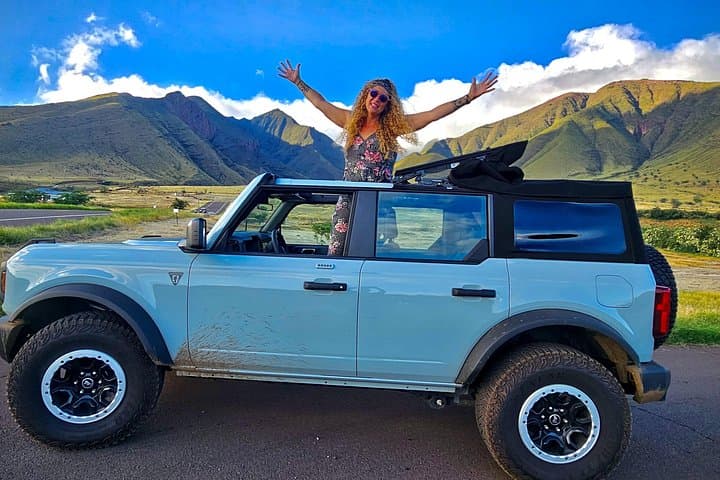
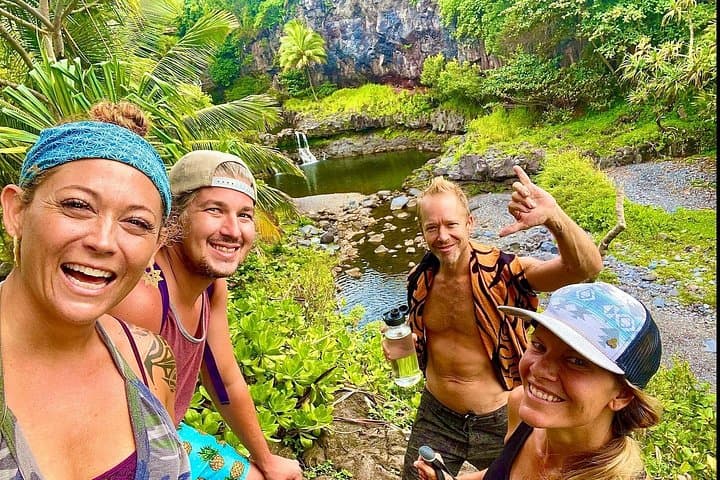
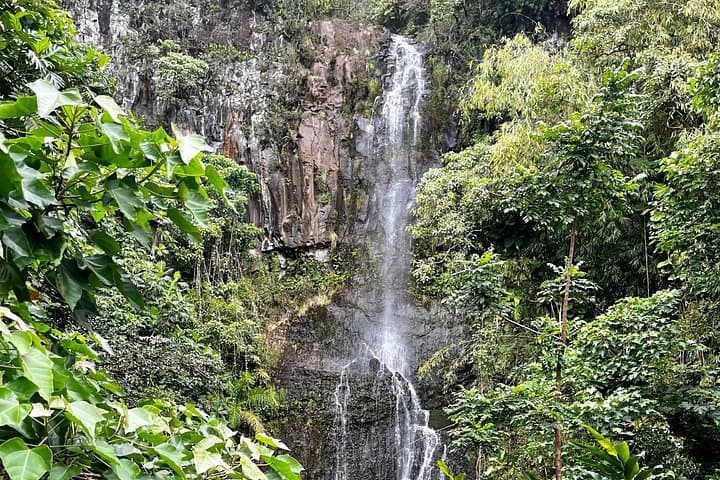
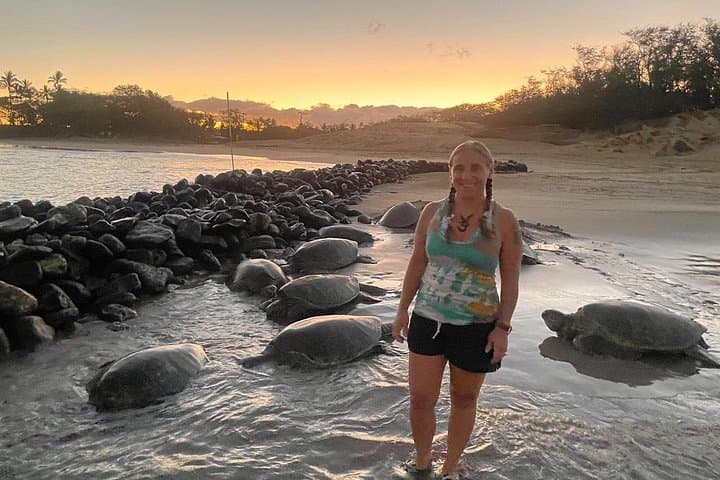
The engine rumble of a classic Bronco fades under a sheet of wet jungle as the convertible top opens to a wind that smells of salt and guava. On JourneyJill’s Reverse Road to Hana tour, the road doesn’t just curve—it insists. Starting near Paia and pushing clockwise around Maui’s eastern rim, the route reveals coastline that prefers surprise over spectacle: hidden waterfalls that thread down cliffs, unexpected black and red sand coves, and one-lane bridges that force brief rites of passage between strangers.
The engine rumble of a classic Bronco fades under a sheet of wet jungle as the convertible top opens to a wind that smells of salt and guava. On JourneyJill’s Reverse Road to Hana tour, the road doesn’t just curve—it insists. Starting near Paia and pushing clockwise around Maui’s eastern rim, the route reveals coastline that prefers surprise over spectacle: hidden waterfalls that thread down cliffs, unexpected black and red sand coves, and one-lane bridges that force brief rites of passage between strangers.
This is not a simple sightseeing loop. The tour is taught by guides who study with Hawaiian cultural practitioners and speak in moʻolelo—stories that stitch landscape to lineage. Ke'anae’s taro fields are evidence of agricultural systems centuries old; lava tubes map the story of Maui’s volcanic birth; and roadside food stands keep the island’s cooking methods alive—kiawe-smoked huli huli chicken still turned by hand in the same rhythm implied by the word huli, “to turn.”
Geology here is blunt and immediate: basalt cliffs formed by pāhoehoe and ʻaʻā flows meet surf carved into caves and headlands. Rainfall is persistent; rainforest sections feed streams that dare you to follow them upstream to small pools. Trees—bamboo groves that sigh when the wind moves through them and rainbow eucalyptus with their peeling, painted bark—frame many of the road’s most photographed segments.
Practically speaking, this is a full-day, private driving experience tailored to your pace. Stops are flexible: the guide will choose the best beach for conditions (Waiʻanapanapa requires reservations if you want that specific park), lead short walks to waterfall pools, and recommend quieter spots if you prefer fewer people. The reverse route often reveals lesser-seen panoramas on the island’s sheltered back side and can reduce time behind slow-moving traffic.
Expect frequent in-and-out of the vehicle—short hikes up to waterfall pools, walking over slick lava rock, and clambering for photos. Weather shifts quickly; showers are part of the landscape’s personality. Travel light but prepared: sunscreen, a waterproof layer, sturdy shoes and a camera with a good case will make the day. If you’re traveling with children, the operator notes car-seat requirements and can advise pickup and drop-off locations.
For travelers who want more than a checklist, the value is the guide’s cultural context—ʻike that turns roadside stops into living history—and the private format that lets you linger where the island asks you to linger. The reverse Road to Hana is not just a drive; it’s a paced conversation with a wild, opinionated coast.