THE ADVENTURE COLLECTIVE® · Independent discovery and booking for outdoor travel

Steam curls from a low river as you climb into Steam Valley—Reykjadalur rewards a short, accessible hike with naturally heated river baths and landscape forged by tectonic heat. This private day trip from Reykjavík pairs local knowledge with easy logistics.
Steam curls from a low river as you climb into Steam Valley—Reykjadalur rewards a short, accessible hike with naturally heated river baths and landscape forged by tectonic heat. This private day trip from Reykjavík pairs local knowledge with easy logistics.
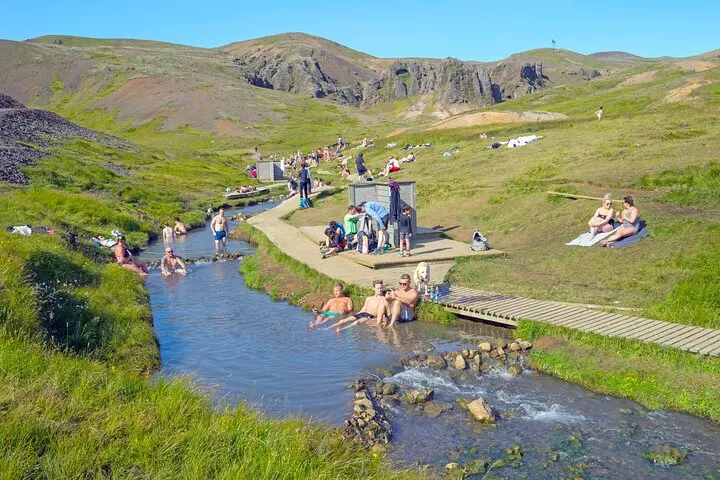
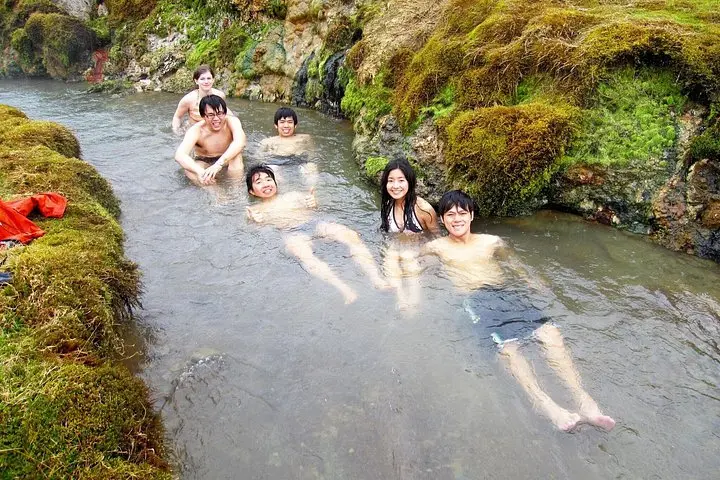
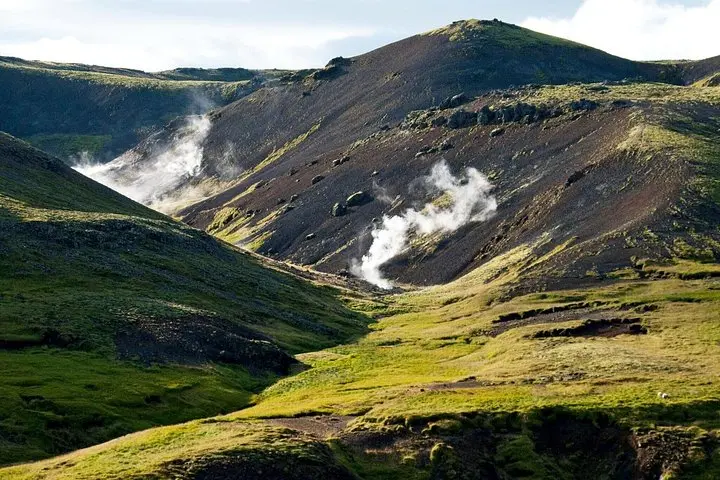
You step off the van and the valley inhales: steam threads between grass and lava rock, a low river hisses like something alive. A guide points the trail up a gentle rib of heath, and within minutes the city’s hum is gone—replaced by the soft crunch of pumice underfoot and the distant metallic scent of sulfur. This is Reykjadalur, the Steam Valley, and its geothermally warmed river invites hikers to earn a soak.
Verified experiences and guided adventures in the surrounding area.
Operated by Adventure Vikings · Hveragerði, Southern Region
You step off the van and the valley inhales: steam threads between grass and lava rock, a low river hisses like something alive. A guide points the trail up a gentle rib of heath, and within minutes the city’s hum is gone—replaced by the soft crunch of pumice underfoot and the distant metallic scent of sulfur. This is Reykjadalur, the Steam Valley, and its geothermally warmed river invites hikers to earn a soak.
Reykjadalur sits east of Reykjavík near the town of Hveragerði, a landscape shaped by the Mid-Atlantic Ridge and constant geothermal activity. The route follows old farm paths and newer gravel maintenance tracks, climbing roughly 200–300 meters over a trek that’s about 7 km round-trip. The ground alternates between boggy moss, compacted gravel, and wooden boardwalks over fragile geothermal vents—terrain that feels both ancient and actively changing.
Icelanders have long worked with the land here: Hveragerði’s greenhouses and hot-water-heated bakery ovens are a local answer to a cold climate. The river’s warm pools are the same phenomenon that powers those industries—groundwater heated by shallow magma chambers and forced back to the surface through fissures. Guides from local operators emphasize respect: stay on the trail, don’t disturb vents, and keep a safe distance from pockets of scalding water.
The experience balances effort and reward. Expect a steady, accessible climb that rewards you with wide valley views and a choice of bathing holes. In summer, the steam and wildflowers make the pools feel otherworldly; in winter, the river hisses through snow and the air can be so clear the aurora seems within reach.
Practicalities: the private tour includes pickup from Reykjavík (about 35–45 minutes by van) and returns you to the city, with the total outing lasting roughly 4–5 hours. Hike time on the trail is commonly 40–50 minutes to the main pools; allow extra to change, bathe, and wander. Wear waterproof layers and sturdy boots; crampons are provided if ice is present. Bring a swimsuit, quick-dry towel, and a dry bag for electronics. Hydrate and eat breakfast—guides advise coming fueled because the warm pools are best enjoyed after a solid walk.
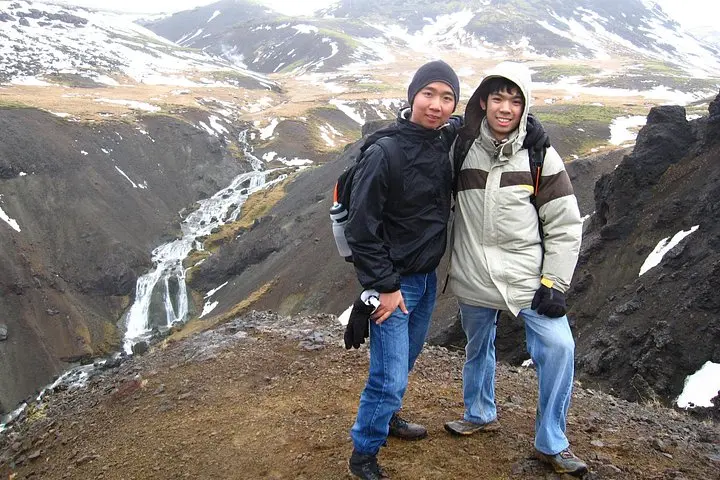
Safety and etiquette matter: water temperatures vary—test before immersing and avoid submerging your head. In winter, trails can be icy and visibility limited during short daylight hours. Small-group private guides keep the pace flexible, point out geothermal features, and help arrange safer entry points into the river.
Reykjadalur is quietly theatrical: the landscape breathes steam, the river dares you closer, and the payoff—a naturally heated soak in a valley carved by fire and ice—is deceptively simple and indelible.
The trail to the main bathing area typically takes 40–50 minutes one-way; expect ~7 km round-trip with roughly 200–300 m of elevation gain.
Yes—minimum age is 8; children should be comfortable walking over uneven terrain and supervised while near hot water.
Yes—guides assess conditions before departure and provide crampons when paths are icy.
Yes—the river is accessible year-round, though winter access can be trickier and daylight hours are short.
Towels are recommended to bring; changing is informal at the riverbank—use a robe or dry area to change for privacy and warmth.
Possibly—winter nights offer aurora visibility if skies are clear, but sightings are never guaranteed and depend on solar activity.
Adventure Vikings operates guided outdoor trips and adventures with an emphasis on safety, stewardship, and memorable experiences.
You step off the van and the valley inhales: steam threads between grass and lava rock, a low river hisses like something alive. A guide points the trail up a gentle rib of heath, and within minutes the city’s hum is gone—replaced by the soft crunch of pumice underfoot and the distant metallic scent of sulfur. This is Reykjadalur, the Steam Valley, and its geothermally warmed river invites hikers to earn a soak.
You step off the van and the valley inhales: steam threads between grass and lava rock, a low river hisses like something alive. A guide points the trail up a gentle rib of heath, and within minutes the city’s hum is gone—replaced by the soft crunch of pumice underfoot and the distant metallic scent of sulfur. This is Reykjadalur, the Steam Valley, and its geothermally warmed river invites hikers to earn a soak.
Reykjadalur sits east of Reykjavík near the town of Hveragerði, a landscape shaped by the Mid-Atlantic Ridge and constant geothermal activity. The route follows old farm paths and newer gravel maintenance tracks, climbing roughly 200–300 meters over a trek that’s about 7 km round-trip. The ground alternates between boggy moss, compacted gravel, and wooden boardwalks over fragile geothermal vents—terrain that feels both ancient and actively changing.
Icelanders have long worked with the land here: Hveragerði’s greenhouses and hot-water-heated bakery ovens are a local answer to a cold climate. The river’s warm pools are the same phenomenon that powers those industries—groundwater heated by shallow magma chambers and forced back to the surface through fissures. Guides from local operators emphasize respect: stay on the trail, don’t disturb vents, and keep a safe distance from pockets of scalding water.
The experience balances effort and reward. Expect a steady, accessible climb that rewards you with wide valley views and a choice of bathing holes. In summer, the steam and wildflowers make the pools feel otherworldly; in winter, the river hisses through snow and the air can be so clear the aurora seems within reach.
Practicalities: the private tour includes pickup from Reykjavík (about 35–45 minutes by van) and returns you to the city, with the total outing lasting roughly 4–5 hours. Hike time on the trail is commonly 40–50 minutes to the main pools; allow extra to change, bathe, and wander. Wear waterproof layers and sturdy boots; crampons are provided if ice is present. Bring a swimsuit, quick-dry towel, and a dry bag for electronics. Hydrate and eat breakfast—guides advise coming fueled because the warm pools are best enjoyed after a solid walk.
Safety and etiquette matter: water temperatures vary—test before immersing and avoid submerging your head. In winter, trails can be icy and visibility limited during short daylight hours. Small-group private guides keep the pace flexible, point out geothermal features, and help arrange safer entry points into the river.
Reykjadalur is quietly theatrical: the landscape breathes steam, the river dares you closer, and the payoff—a naturally heated soak in a valley carved by fire and ice—is deceptively simple and indelible.