THE ADVENTURE COLLECTIVE® · Independent discovery and booking for outdoor travel

A private journey into Reykjadalur transforms a short hike into a sensory immersion: steaming vents, boiling mud pools, and a naturally heated river you can actually step into. This 4–6 hour tour pairs geology and folklore with practical guidance for a safe soak.
A private journey into Reykjadalur transforms a short hike into a sensory immersion: steaming vents, boiling mud pools, and a naturally heated river you can actually step into. This 4–6 hour tour pairs geology and folklore with practical guidance for a safe soak.
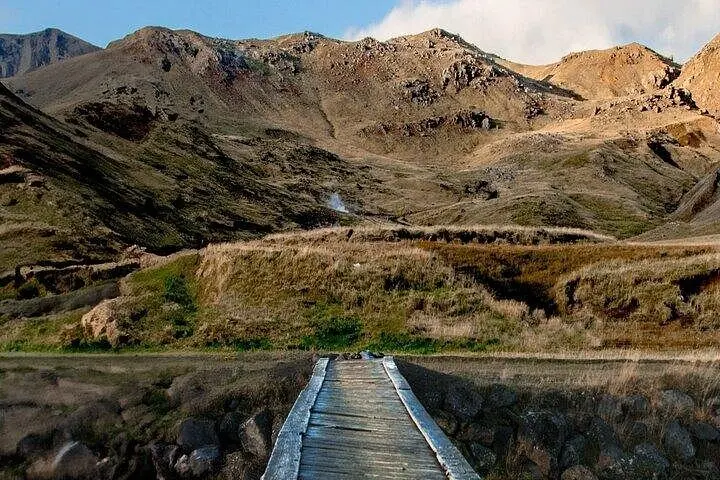
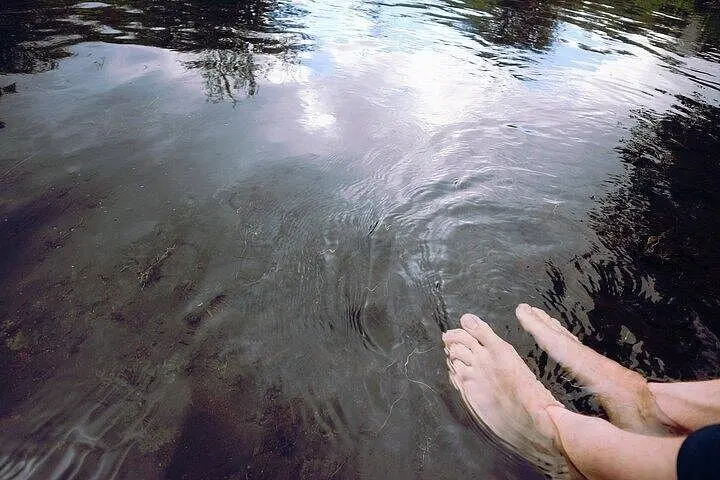
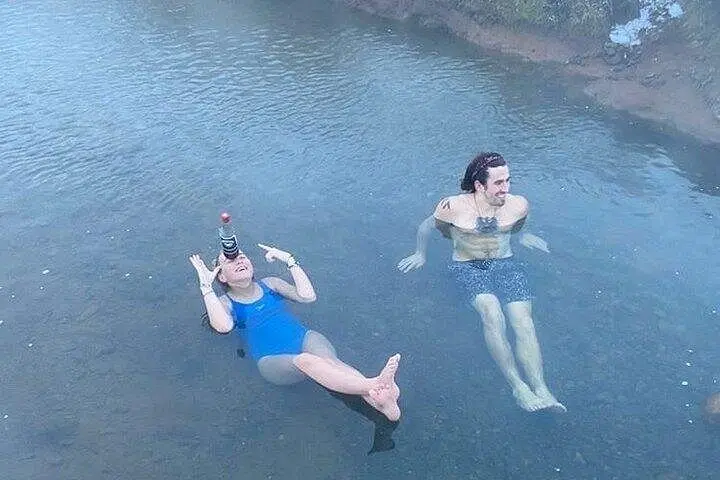
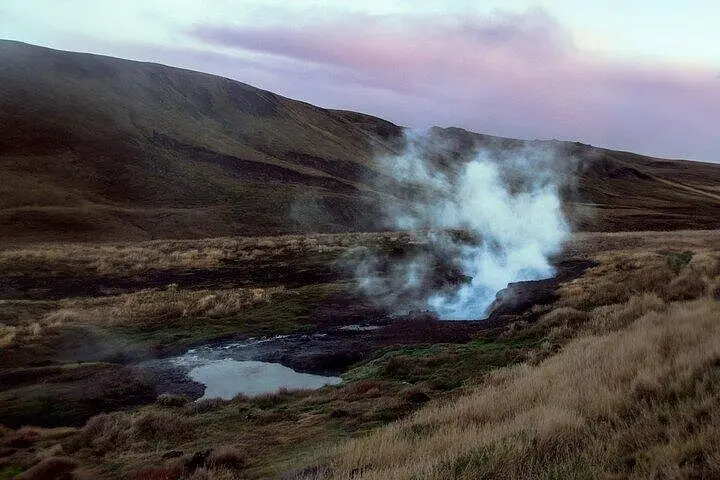
Before the trail narrows, the valley speaks. Steam curls up in thin, ghostly columns from fissures in dark rhyolite, and a river—warm to the touch—threads down the saddle like a deliberate, patient thing daring you to step in. On a private tour to Reykjadalur, the “Steam Valley,” you move through an active volcanic landscape where the earth exhales: sulfur-scented pockets, bubbling mud, and sudden thermal vents remind you that the ground here is not a backdrop but an actor.
Verified experiences and guided adventures in the surrounding area.
Operated by ValkyrieTours · Hveragerði, Southern Region
Before the trail narrows, the valley speaks. Steam curls up in thin, ghostly columns from fissures in dark rhyolite, and a river—warm to the touch—threads down the saddle like a deliberate, patient thing daring you to step in. On a private tour to Reykjadalur, the “Steam Valley,” you move through an active volcanic landscape where the earth exhales: sulfur-scented pockets, bubbling mud, and sudden thermal vents remind you that the ground here is not a backdrop but an actor.
The hike to the hot river is straightforward but honest—about 3 km (1.8 mi) one way with roughly 200 m (650 ft) of elevation gain as you climb out of Hveragerði’s cultivated flats into the Hengill geothermal zone. Geology writes the itinerary: Pleistocene lava flows and more recent volcanic intrusions have fractured the crust, letting groundwater meet heat and produce the boiling vents and milky-blue springs that define the valley. Icelanders have long used geothermal resources for warmth and industry; Reykjadalur sits on the edge of that tradition, a place where locals and travelers alike come to bathe in naturally heated water.
Culturally, the area mixes sagas of folk spirits and practical engineering. Hveragerði grew around hot springs—greenhouses wine-glass bright beneath steam—and locals are used to balancing access with caution. Guides on the private tour add context: they point out fragile moss carpets, explain the chemistry behind the hot river, and share stories about the volcanic history that shaped the landscape.
Plan your visit practically. The best window is late spring through early fall when trails are clearer and the wind less cutting, but all seasons have character: winter gives steamy contrasts against snow, while summer delivers long, soft light. Bring sturdy waterproof boots for muddy stretches and a warm, windproof layer for the top; the valley can be much colder than Reykjavik.
On arrival, the private guide will manage logistics—parking, route choice, and timing—so you avoid the busiest hours. Respect signage: some pools are dangerously hot, and algae-covered rocks are slippery. Change and dry off in your vehicle or a nearby facility; there are no staffed changing rooms at the soak. Leave no trace: pack out trash and avoid soaps or shampoos in the water to protect the fragile geothermal ecology.
For anyone traveling from Reykjavík, the drive is a short, scenic stretch that prepares the senses: farmland, steam plumes on the horizon, then a path that opens into a valley that both humbles and invites. The reward is simple and elemental—a warm river under open sky, surrounded by volcanic hills that remember fire.
The trail is about 3 km (1.8 mi) one-way with roughly 200 m (650 ft) of elevation gain; plan on 1–1.5 hours each way depending on pace.
No—there are no staffed changing rooms or lockers on the valley trail; bring your own towel and a dry change of clothes in a waterproof bag.
Yes—many pools are safe, but temperatures vary; follow your guide’s instructions and avoid areas marked as too hot.
The route is family-friendly for those comfortable with uphill walking, but people with mobility issues may find sections challenging; discuss specifics with the operator when booking.
Yes—this private tour offers pickup within 50 km of Reykjavík city center; confirm your pickup point when booking.
Pack snacks and water, but avoid alcohol before or during bathing as it can increase risk of dehydration and heat-related issues.
ValkyrieTours operates guided outdoor trips and adventures with an emphasis on safety, stewardship, and memorable experiences.
Before the trail narrows, the valley speaks. Steam curls up in thin, ghostly columns from fissures in dark rhyolite, and a river—warm to the touch—threads down the saddle like a deliberate, patient thing daring you to step in. On a private tour to Reykjadalur, the “Steam Valley,” you move through an active volcanic landscape where the earth exhales: sulfur-scented pockets, bubbling mud, and sudden thermal vents remind you that the ground here is not a backdrop but an actor.
Before the trail narrows, the valley speaks. Steam curls up in thin, ghostly columns from fissures in dark rhyolite, and a river—warm to the touch—threads down the saddle like a deliberate, patient thing daring you to step in. On a private tour to Reykjadalur, the “Steam Valley,” you move through an active volcanic landscape where the earth exhales: sulfur-scented pockets, bubbling mud, and sudden thermal vents remind you that the ground here is not a backdrop but an actor.
The hike to the hot river is straightforward but honest—about 3 km (1.8 mi) one way with roughly 200 m (650 ft) of elevation gain as you climb out of Hveragerði’s cultivated flats into the Hengill geothermal zone. Geology writes the itinerary: Pleistocene lava flows and more recent volcanic intrusions have fractured the crust, letting groundwater meet heat and produce the boiling vents and milky-blue springs that define the valley. Icelanders have long used geothermal resources for warmth and industry; Reykjadalur sits on the edge of that tradition, a place where locals and travelers alike come to bathe in naturally heated water.
Culturally, the area mixes sagas of folk spirits and practical engineering. Hveragerði grew around hot springs—greenhouses wine-glass bright beneath steam—and locals are used to balancing access with caution. Guides on the private tour add context: they point out fragile moss carpets, explain the chemistry behind the hot river, and share stories about the volcanic history that shaped the landscape.
Plan your visit practically. The best window is late spring through early fall when trails are clearer and the wind less cutting, but all seasons have character: winter gives steamy contrasts against snow, while summer delivers long, soft light. Bring sturdy waterproof boots for muddy stretches and a warm, windproof layer for the top; the valley can be much colder than Reykjavik.
On arrival, the private guide will manage logistics—parking, route choice, and timing—so you avoid the busiest hours. Respect signage: some pools are dangerously hot, and algae-covered rocks are slippery. Change and dry off in your vehicle or a nearby facility; there are no staffed changing rooms at the soak. Leave no trace: pack out trash and avoid soaps or shampoos in the water to protect the fragile geothermal ecology.
For anyone traveling from Reykjavík, the drive is a short, scenic stretch that prepares the senses: farmland, steam plumes on the horizon, then a path that opens into a valley that both humbles and invites. The reward is simple and elemental—a warm river under open sky, surrounded by volcanic hills that remember fire.