THE ADVENTURE COLLECTIVE® · Independent discovery and booking for outdoor travel

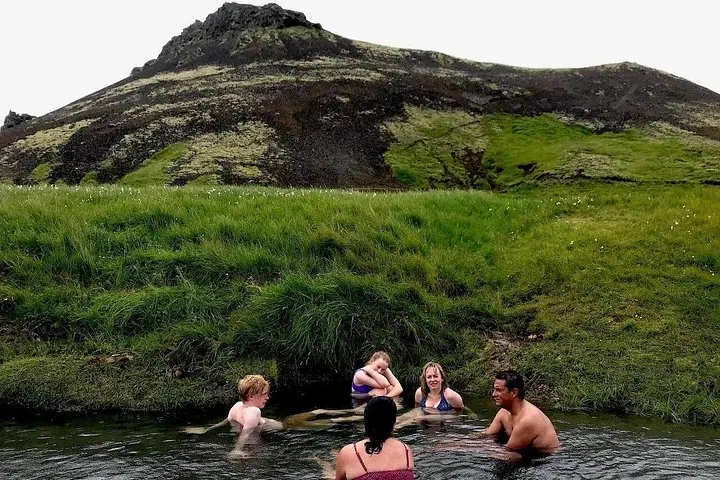
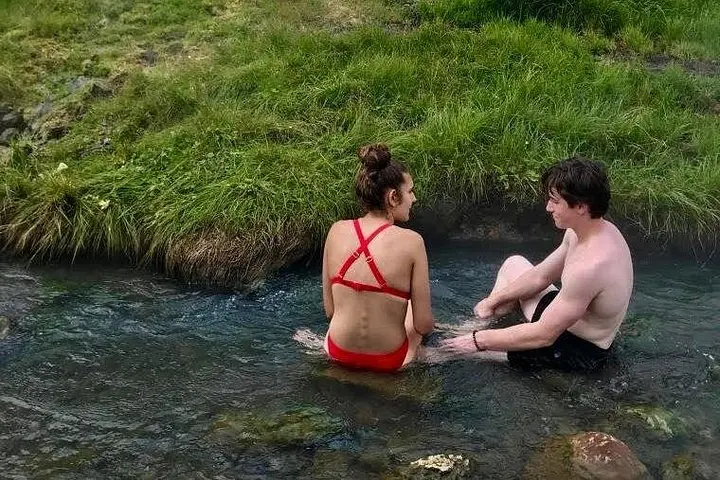
A half-day escape from Reykjavík into Reykjadalur’s geothermally heated valley, ending with a soak in a warm river where hot springs and cold runoff meet. A short but steady hike through volcanic terrain with strong sensory rewards.
A half-day escape from Reykjavík into Reykjadalur’s geothermally heated valley, ending with a soak in a warm river where hot springs and cold runoff meet. A short but steady hike through volcanic terrain with strong sensory rewards.
Steam rises off the river like a low, moving cloud as you step from the parking area and begin the climb into Reykjadalur — Steam Valley. The trail angles upward through grassy slopes and patches of bare earth warmed by underground heat; every gust carries the faint sulfurous scent that marks Iceland’s geothermal heart. The river threads through the valley, its temperature moderated where hot springs mix with colder runoff, daring you to test a perfect bathing spot.
Verified experiences and guided adventures in the surrounding area.
Operated by Travelling Iceland · Hveragerði, Southern Region
Steam rises off the river like a low, moving cloud as you step from the parking area and begin the climb into Reykjadalur — Steam Valley. The trail angles upward through grassy slopes and patches of bare earth warmed by underground heat; every gust carries the faint sulfurous scent that marks Iceland’s geothermal heart. The river threads through the valley, its temperature moderated where hot springs mix with colder runoff, daring you to test a perfect bathing spot.
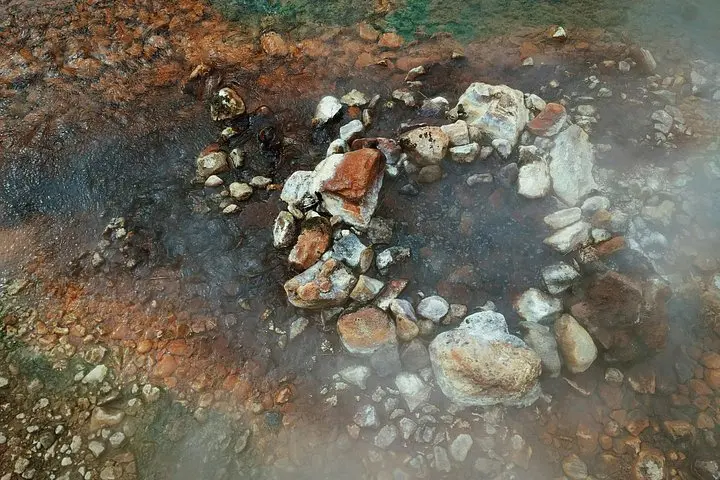
The valley sits on the flanks of the Hengill volcanic system, shaped by recent geological activity and decades of human use; nearby Hveragerði grew around greenhouse agriculture that taps those same thermal sources. The trail follows well-worn paths and wooden boardwalks over sensitive ground, passing steam vents, small fumaroles and pools colored by mineral deposits.
Expect about an hour of steady uphill walking to reach the bathing stretches, then time to soak and return — total tour time including transfer from Reykjavík is roughly five hours. Terrain is uneven, sometimes muddy, with short steeper sections; footwear with grip helps. There are no staffed facilities at the hot river, so bring a towel, dry clothes, and a waterproof layer for the descent.
Best times are late spring through early autumn for more daylight and softer footing, though winter visits offer stark light and quiet if you’re prepared for icy trail conditions. Respect trail markers, leave no trace, and allow the valley’s heat and hush to recalibrate your pace.
The uphill walk to the bathing area is about 45–60 minutes for most groups, depending on pace and how often you stop.
Yes—many families do this hike. It’s classified as physically easy to moderate, but bring children’s footwear and be prepared for some steep sections.
There are no staffed facilities at the bathing spot; basic toilets exist at the parking area in Hveragerði, so bring a towel and dry clothes.
Yes, tours operate year-round, but winter conditions mean icy trails and limited daylight—dress for cold and expect a slower pace.
Travelling Iceland operates guided outdoor trips and adventures with an emphasis on safety, stewardship, and memorable experiences.
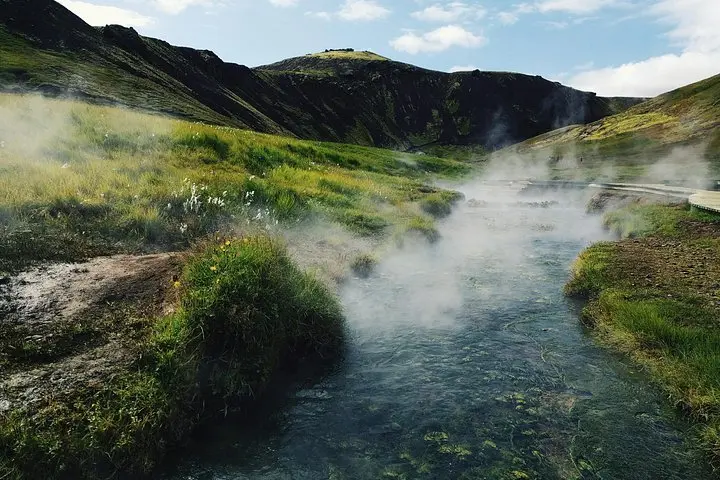
Steam rises off the river like a low, moving cloud as you step from the parking area and begin the climb into Reykjadalur — Steam Valley. The trail angles upward through grassy slopes and patches of bare earth warmed by underground heat; every gust carries the faint sulfurous scent that marks Iceland’s geothermal heart. The river threads through the valley, its temperature moderated where hot springs mix with colder runoff, daring you to test a perfect bathing spot.
Steam rises off the river like a low, moving cloud as you step from the parking area and begin the climb into Reykjadalur — Steam Valley. The trail angles upward through grassy slopes and patches of bare earth warmed by underground heat; every gust carries the faint sulfurous scent that marks Iceland’s geothermal heart. The river threads through the valley, its temperature moderated where hot springs mix with colder runoff, daring you to test a perfect bathing spot.
The valley sits on the flanks of the Hengill volcanic system, shaped by recent geological activity and decades of human use; nearby Hveragerði grew around greenhouse agriculture that taps those same thermal sources. The trail follows well-worn paths and wooden boardwalks over sensitive ground, passing steam vents, small fumaroles and pools colored by mineral deposits.
Expect about an hour of steady uphill walking to reach the bathing stretches, then time to soak and return — total tour time including transfer from Reykjavík is roughly five hours. Terrain is uneven, sometimes muddy, with short steeper sections; footwear with grip helps. There are no staffed facilities at the hot river, so bring a towel, dry clothes, and a waterproof layer for the descent.
Best times are late spring through early autumn for more daylight and softer footing, though winter visits offer stark light and quiet if you’re prepared for icy trail conditions. Respect trail markers, leave no trace, and allow the valley’s heat and hush to recalibrate your pace.