THE ADVENTURE COLLECTIVE® · Independent discovery and booking for outdoor travel

Head beyond the Golden Circle to the rugged Reykjanes Peninsula: crawl through lava tubes, watch mud pools breathe, and see the defensive walls built to protect the Blue Lagoon from recent lava flows. This active day trip pairs geology with up-close geothermal theater.
Head beyond the Golden Circle to the rugged Reykjanes Peninsula: crawl through lava tubes, watch mud pools breathe, and see the defensive walls built to protect the Blue Lagoon from recent lava flows. This active day trip pairs geology with up-close geothermal theater.
The van drops you on wind-scoured black rock and the ocean is a low, salty line on the horizon. Steam hisses from the ground like an animal testing the air; sulfur tang rides the breeze and pulls you toward bubbling mud and acid-blue pools. A narrow opening leads underground — a lava tube scored by two separate eruptions, where you'll crouch, feel the basalt under your palms, and move like an explorer retracing volcanic history.
Verified experiences and guided adventures in the surrounding area.
Operated by G spot Iceland · Grindavík, Southern Peninsula
The van drops you on wind-scoured black rock and the ocean is a low, salty line on the horizon. Steam hisses from the ground like an animal testing the air; sulfur tang rides the breeze and pulls you toward bubbling mud and acid-blue pools. A narrow opening leads underground — a lava tube scored by two separate eruptions, where you'll crouch, feel the basalt under your palms, and move like an explorer retracing volcanic history.
This route threads through Reykjanes Peninsula geology shaped by rift-zone volcanism and the “Reykjanes fires” of the 13th century. You'll learn how fissure eruptions created lava tubes 1,000–2,000 years ago, and why the peninsula’s geothermal kitchens still vent in bursts. Cultural notes appear roadside: abandoned settlements and power-plant infrastructure remind you people live with fire here. The Blue Lagoon’s earthen defenses, built during recent Fagradalsfjall flows, are a modern footnote to a long volatile story.
Expect 8–9 hours of active travel: a 2–2.5 hour lava tube descent, short hikes between geothermal features, and crusted lava underfoot. Terrain is uneven, often wet and wind-swept; crampons and headlamps are used. Practical tips: dress in layers, bring a full water bottle, and be ready for cold wind even in summer. This tour is about moving — stooping, steady footing, and curiosity — and it delivers a compact, rigorous look at Iceland’s raw mechanics without the coachloads of the Golden Circle.
Guides provide helmets, headlamps, and crampons; beginners can participate but should be comfortable with stooping, uneven footing, and confined spaces.
Lava tubes are generally a few degrees warmer than the surface but damp; bring insulating layers as interior temperatures can feel chilly.
Facilities are limited on the peninsula; plan a restroom stop in Reykjavík before departure and bring snacks and water for the day.
Tours cancel for severe weather or unsafe conditions; operators often notify travelers in advance and refund cancellations as per policy.
G spot Iceland operates guided outdoor trips and adventures with an emphasis on safety, stewardship, and memorable experiences.
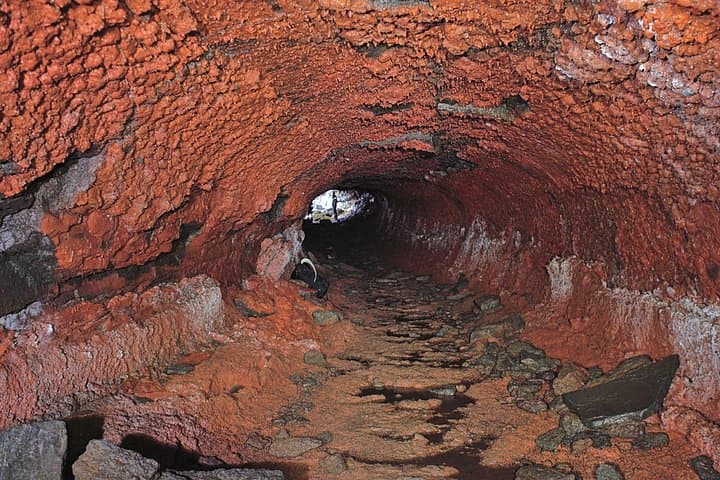
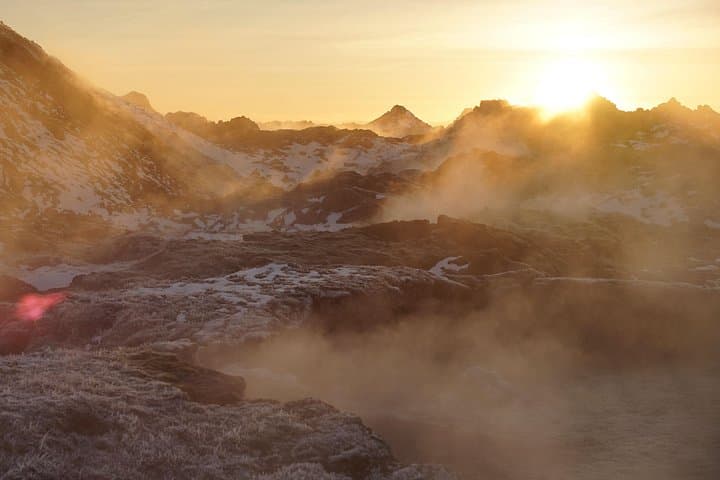
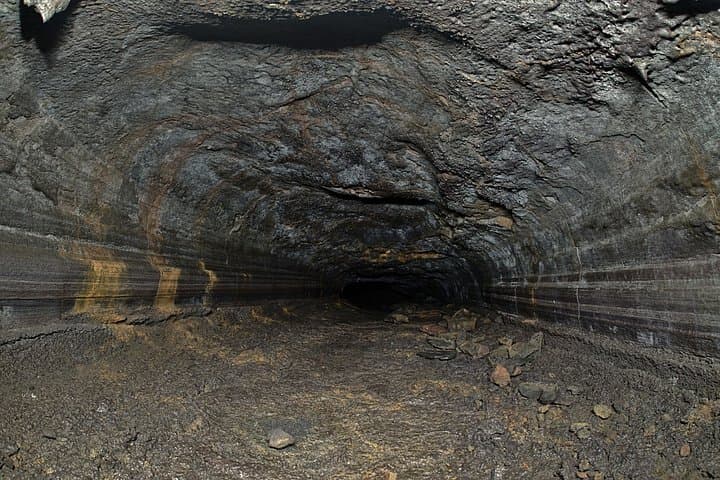
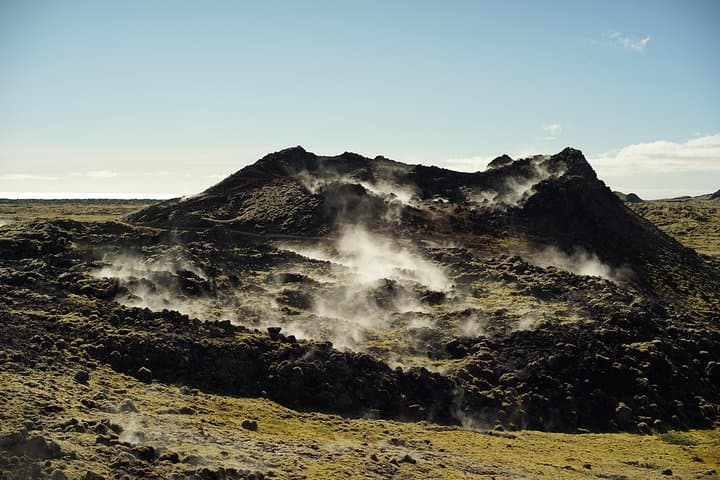
The van drops you on wind-scoured black rock and the ocean is a low, salty line on the horizon. Steam hisses from the ground like an animal testing the air; sulfur tang rides the breeze and pulls you toward bubbling mud and acid-blue pools. A narrow opening leads underground — a lava tube scored by two separate eruptions, where you'll crouch, feel the basalt under your palms, and move like an explorer retracing volcanic history.
The van drops you on wind-scoured black rock and the ocean is a low, salty line on the horizon. Steam hisses from the ground like an animal testing the air; sulfur tang rides the breeze and pulls you toward bubbling mud and acid-blue pools. A narrow opening leads underground — a lava tube scored by two separate eruptions, where you'll crouch, feel the basalt under your palms, and move like an explorer retracing volcanic history.
This route threads through Reykjanes Peninsula geology shaped by rift-zone volcanism and the “Reykjanes fires” of the 13th century. You'll learn how fissure eruptions created lava tubes 1,000–2,000 years ago, and why the peninsula’s geothermal kitchens still vent in bursts. Cultural notes appear roadside: abandoned settlements and power-plant infrastructure remind you people live with fire here. The Blue Lagoon’s earthen defenses, built during recent Fagradalsfjall flows, are a modern footnote to a long volatile story.
Expect 8–9 hours of active travel: a 2–2.5 hour lava tube descent, short hikes between geothermal features, and crusted lava underfoot. Terrain is uneven, often wet and wind-swept; crampons and headlamps are used. Practical tips: dress in layers, bring a full water bottle, and be ready for cold wind even in summer. This tour is about moving — stooping, steady footing, and curiosity — and it delivers a compact, rigorous look at Iceland’s raw mechanics without the coachloads of the Golden Circle.