THE ADVENTURE COLLECTIVE® · Independent discovery and booking for outdoor travel

Experience Reykjanes’ raw geology on a full-day tour that combines volcanic craters, active geothermal fields, fresh lava flows and a 5,000-year-old lava tunnel. This route pairs dramatic scenery with practical insights into Iceland’s geothermal energy.
Experience Reykjanes’ raw geology on a full-day tour that combines volcanic craters, active geothermal fields, fresh lava flows and a 5,000-year-old lava tunnel. This route pairs dramatic scenery with practical insights into Iceland’s geothermal energy.
A wind-whipped parking lot gives way to a planet in motion: steam columns rise from boiling vents, black rock fields stretch to the horizon, and the ground underfoot hums with recent history. On this full-day route around the Reykjanes Peninsula you move from the hollow rims of Stampar’s twin craters to the hissing throat of Gunnuhver, then along fresh Fagradalsfjall lava fields before stepping into the cool, cavernous Raufarhólshellir lava tunnel.
Verified experiences and guided adventures in the surrounding area.
Operated by Lilja Tours ehf. · Reykjavík, Southern Peninsula
A wind-whipped parking lot gives way to a planet in motion: steam columns rise from boiling vents, black rock fields stretch to the horizon, and the ground underfoot hums with recent history. On this full-day route around the Reykjanes Peninsula you move from the hollow rims of Stampar’s twin craters to the hissing throat of Gunnuhver, then along fresh Fagradalsfjall lava fields before stepping into the cool, cavernous Raufarhólshellir lava tunnel.
Geology here is dramatic and immediate—the peninsula sits on the Mid-Atlantic Ridge where Eurasian and North American plates pull apart, producing frequent eruptions and young lava flows. Human history is short beside this geology: fishing villages, wartime radar stations, and modern geothermal plants all layer onto a landscape shaped by fire and ice. Cultural notes from the guides often reference the Gunnuhver legend, while the Geothermal Exhibition at Hellisheiði explains how Iceland turns subterranean heat into power.
Expect uneven, rocky terrain and short walks at most sites—plan for walks up to 2–3 km round-trip with minimal elevation gain (typically under 200 m) but occasional scree and sharp lava. The lava tunnel requires headlamps and steady footing on basalt floors; Seltún and Gunnuhver demand distance from vents for safety.
Practical: dress in windproof, waterproof layers, wear sturdy boots, carry water and a camera with extra batteries. Follow marked paths and your guide; geothermal areas are fragile and hazardous if approached off-trail. With the right preparation this tour is a compact, exhilarating primer on Iceland’s volcanic power.
Yes—many families join; children should be able to walk short distances on rocky ground and stay close to the guide. Infant seats are available for transport.
Basic facilities exist at some stops and the Geothermal Exhibition; plan accordingly for longer stretches between stops.
Yes—tours operate year-round but itineraries may shift or be modified in severe weather; the operator may cancel for safety up to 24 hours prior.
Yes—the itinerary includes Raufarhólshellir (the Lava Tunnel); expect a guided walk underground, often with helmets and lighting provided by the operator.
Lilja Tours ehf. operates guided outdoor trips and adventures with an emphasis on safety, stewardship, and memorable experiences.
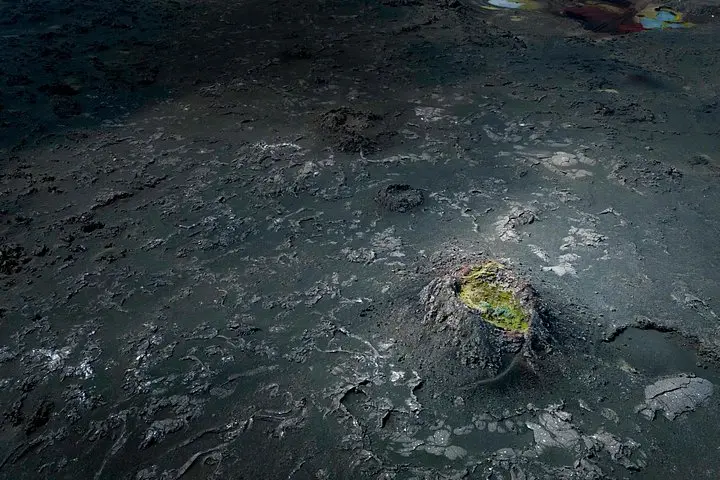
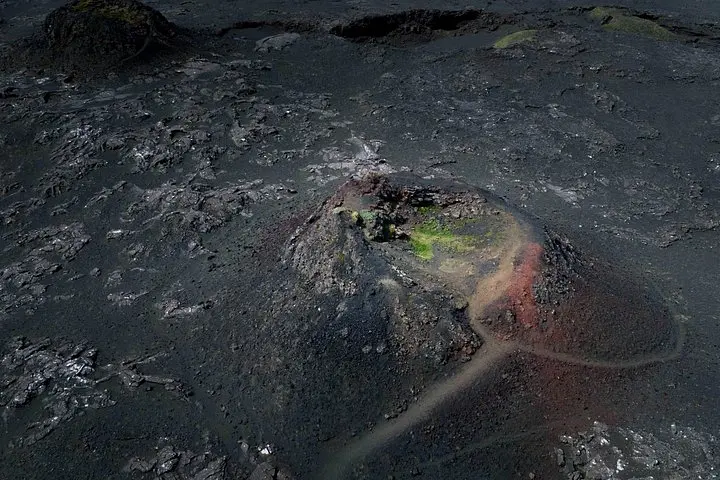
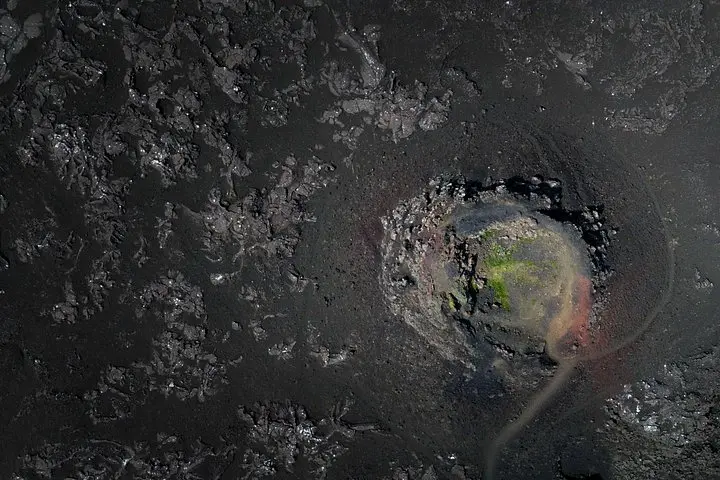
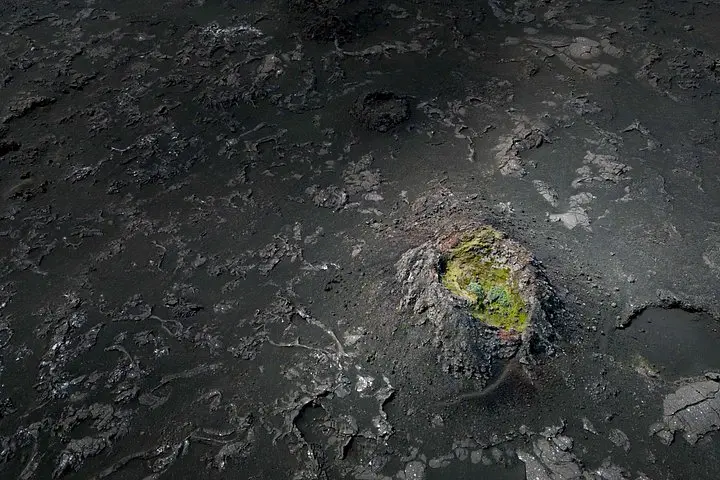
A wind-whipped parking lot gives way to a planet in motion: steam columns rise from boiling vents, black rock fields stretch to the horizon, and the ground underfoot hums with recent history. On this full-day route around the Reykjanes Peninsula you move from the hollow rims of Stampar’s twin craters to the hissing throat of Gunnuhver, then along fresh Fagradalsfjall lava fields before stepping into the cool, cavernous Raufarhólshellir lava tunnel.
A wind-whipped parking lot gives way to a planet in motion: steam columns rise from boiling vents, black rock fields stretch to the horizon, and the ground underfoot hums with recent history. On this full-day route around the Reykjanes Peninsula you move from the hollow rims of Stampar’s twin craters to the hissing throat of Gunnuhver, then along fresh Fagradalsfjall lava fields before stepping into the cool, cavernous Raufarhólshellir lava tunnel.
Geology here is dramatic and immediate—the peninsula sits on the Mid-Atlantic Ridge where Eurasian and North American plates pull apart, producing frequent eruptions and young lava flows. Human history is short beside this geology: fishing villages, wartime radar stations, and modern geothermal plants all layer onto a landscape shaped by fire and ice. Cultural notes from the guides often reference the Gunnuhver legend, while the Geothermal Exhibition at Hellisheiði explains how Iceland turns subterranean heat into power.
Expect uneven, rocky terrain and short walks at most sites—plan for walks up to 2–3 km round-trip with minimal elevation gain (typically under 200 m) but occasional scree and sharp lava. The lava tunnel requires headlamps and steady footing on basalt floors; Seltún and Gunnuhver demand distance from vents for safety.
Practical: dress in windproof, waterproof layers, wear sturdy boots, carry water and a camera with extra batteries. Follow marked paths and your guide; geothermal areas are fragile and hazardous if approached off-trail. With the right preparation this tour is a compact, exhilarating primer on Iceland’s volcanic power.