THE ADVENTURE COLLECTIVE® · Independent discovery and booking for outdoor travel

A three-day pass to Reykjavík’s museums, thermal pools, bus network and ferry to Viðey. Swap your voucher at museum pick-up points, time visits for opening hours, and bring a swimsuit for the geothermal pools.
A three-day pass to Reykjavík’s museums, thermal pools, bus network and ferry to Viðey. Swap your voucher at museum pick-up points, time visits for opening hours, and bring a swimsuit for the geothermal pools.
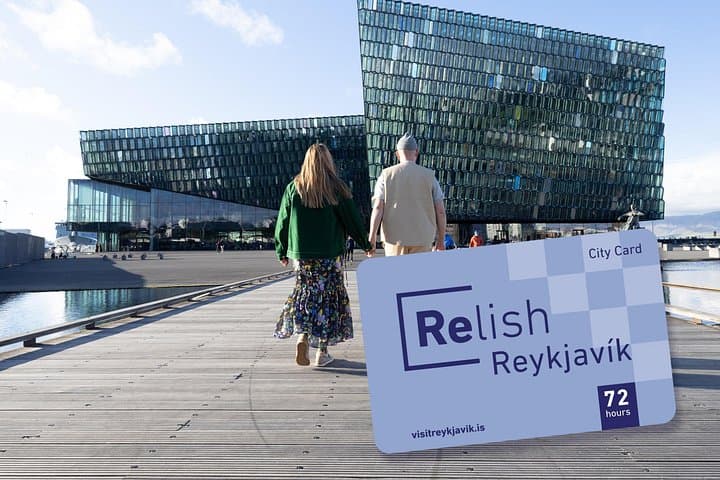
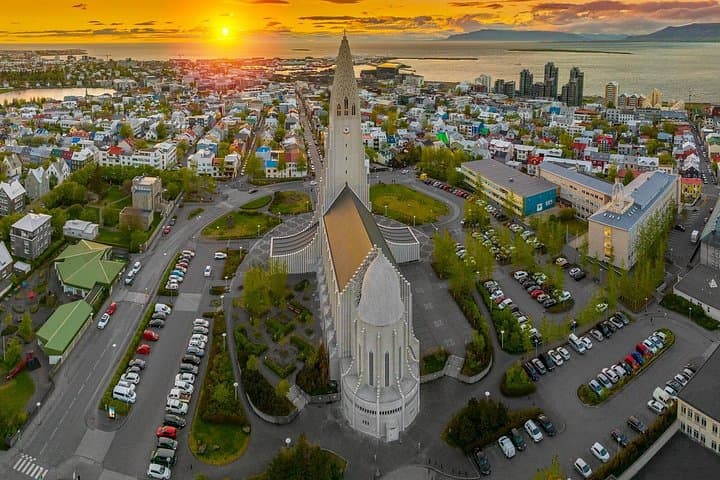
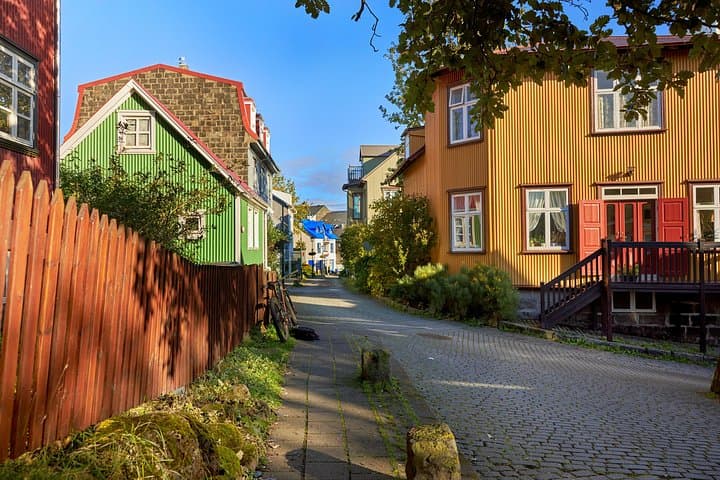
You step off the bus into Reykjavík and the city unfolds in brisk, compact chapters: a working harbour that still smells faintly of sea-salt and fish, white-curved modern galleries that face the wind, and steam rising from public pools like a local invitation. The 72-hour Reykjavík City Card hands you a key to that rhythm — a three-day pass that moves you between museums, thermal baths and the short ferry crossing to Viðey.
Verified experiences and guided adventures in the surrounding area.
Operated by Visit Reykjavik · Reykjavík, Capital Region
You step off the bus into Reykjavík and the city unfolds in brisk, compact chapters: a working harbour that still smells faintly of sea-salt and fish, white-curved modern galleries that face the wind, and steam rising from public pools like a local invitation. The 72-hour Reykjavík City Card hands you a key to that rhythm — a three-day pass that moves you between museums, thermal baths and the short ferry crossing to Viðey.
Reykjavík’s story is visible at street level and underground: Viking-age remains sit under glass at the Settlement Exhibition while the Maritime Museum tells the more recent tale of cod fleets that shaped the capital. Geologically the area is young, forged along the Mid‑Atlantic Ridge, and the same geothermal heat that shaped the landscape powers the city’s pools and saunas.
Culture here favors directness — contemporary art in converted warehouses, sculpture gardens that push back at the North Atlantic wind, and small museums that reward curious detours. Viðey Island offers bird colonies and modern art installations; in summer seabirds colonize cliffs, in winter the island goes quiet except for the Image Peace Tower glow on weekends.
Practically: swap your digital voucher for a physical card at any listed museum or pick-up point, plan museum visits around opening hours, and bring a swimsuit for the pools (towels are not always included). Use Strætó buses to reach sites across the capital area — the card covers them. In winter check ferry schedules to Viðey; services are reduced to weekends and special dates. Pack layers, expect changeable weather, and pace museum and pool time so you balance walking tours with geothermal recovery.
Swap the digital voucher for a physical card at any listed pick-up point such as Reykjavík Art Museum (Hafnarhús, Kjarvalsstaðir, Ásmundarsafn), the Settlement Exhibition or the Maritime Museum; opening hours vary.
Admission to participating museums and galleries, Reykjavík’s public thermal pools, Reykjavík Zoo & Family Park, public bus transport within the capital area (Strætó), and a ferry ride to Viðey Island (subject to seasonal schedules).
No — the Blue Lagoon is outside the city’s public transport area and is not included; the card covers buses within the Reykjavík capital area only.
No — each Reykjavík City Card is valid for a single person; purchase individual cards for each traveler to ensure full access and transport coverage.
Visit Reykjavik operates guided outdoor trips and adventures with an emphasis on safety, stewardship, and memorable experiences.

You step off the bus into Reykjavík and the city unfolds in brisk, compact chapters: a working harbour that still smells faintly of sea-salt and fish, white-curved modern galleries that face the wind, and steam rising from public pools like a local invitation. The 72-hour Reykjavík City Card hands you a key to that rhythm — a three-day pass that moves you between museums, thermal baths and the short ferry crossing to Viðey.
You step off the bus into Reykjavík and the city unfolds in brisk, compact chapters: a working harbour that still smells faintly of sea-salt and fish, white-curved modern galleries that face the wind, and steam rising from public pools like a local invitation. The 72-hour Reykjavík City Card hands you a key to that rhythm — a three-day pass that moves you between museums, thermal baths and the short ferry crossing to Viðey.
Reykjavík’s story is visible at street level and underground: Viking-age remains sit under glass at the Settlement Exhibition while the Maritime Museum tells the more recent tale of cod fleets that shaped the capital. Geologically the area is young, forged along the Mid‑Atlantic Ridge, and the same geothermal heat that shaped the landscape powers the city’s pools and saunas.
Culture here favors directness — contemporary art in converted warehouses, sculpture gardens that push back at the North Atlantic wind, and small museums that reward curious detours. Viðey Island offers bird colonies and modern art installations; in summer seabirds colonize cliffs, in winter the island goes quiet except for the Image Peace Tower glow on weekends.
Practically: swap your digital voucher for a physical card at any listed museum or pick-up point, plan museum visits around opening hours, and bring a swimsuit for the pools (towels are not always included). Use Strætó buses to reach sites across the capital area — the card covers them. In winter check ferry schedules to Viðey; services are reduced to weekends and special dates. Pack layers, expect changeable weather, and pace museum and pool time so you balance walking tours with geothermal recovery.