THE ADVENTURE COLLECTIVE® · Independent discovery and booking for outdoor travel

Leave Reykjavík’s glow behind and chase the Aurora Borealis in a private evening tour that adapts to cloud cover and auroral forecasts. Expect a 4–6 hour outing with private transport, photography tips, and flexible routing to maximize viewing chances.
Leave Reykjavík’s glow behind and chase the Aurora Borealis in a private evening tour that adapts to cloud cover and auroral forecasts. Expect a 4–6 hour outing with private transport, photography tips, and flexible routing to maximize viewing chances.
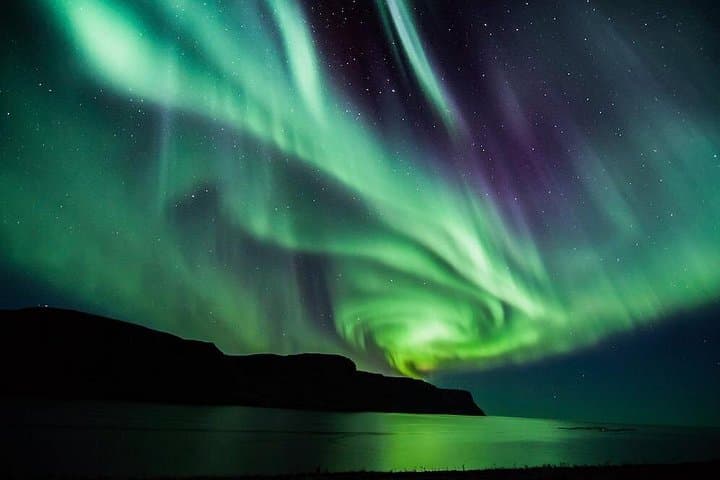
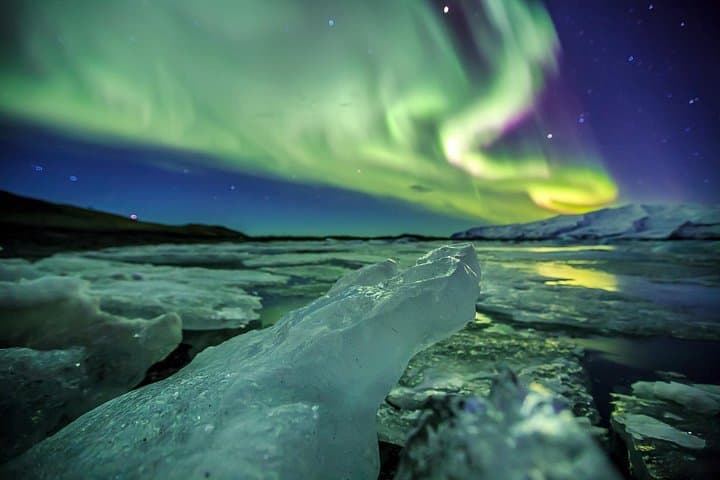
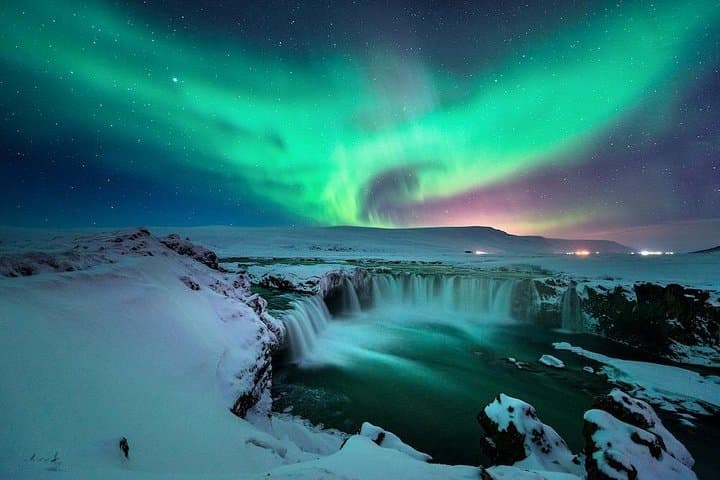
The van rolls away from Reykjavík’s sodium lights and the city shrinks into a ribbon of headlights. You stand on black sand or a snowy shoulder, breath steaming, as the night sky leans in — green curtains unfurl, then pulse and curl like some slow, celestial tide. This private hunt feels intimate: one guide, one vehicle, and a route chosen by cloud cover and auroral activity rather than a fixed itinerary.
Verified experiences and guided adventures in the surrounding area.
Operated by Travelling Iceland · Reykjavík, Capital Region
The van rolls away from Reykjavík’s sodium lights and the city shrinks into a ribbon of headlights. You stand on black sand or a snowy shoulder, breath steaming, as the night sky leans in — green curtains unfurl, then pulse and curl like some slow, celestial tide. This private hunt feels intimate: one guide, one vehicle, and a route chosen by cloud cover and auroral activity rather than a fixed itinerary.
Iceland sits under the auroral oval where charged solar particles meet the atmosphere; the result is the Aurora Borealis, a phenomenon noted in Norse sagas and later mythologized across Europe. Geologically, the country’s high-latitude location and dark coastal plains give good foregrounds for photos — lava fields, lighthouses and glacial silhouettes all add scale and texture to the skyshow. Local culture treats the lights with a blend of scientific curiosity and folklore, and guides balance storytelling with on-the-ground weather reading.
Practical note: the tour runs about 4–6 hours with pickup around 8:30 PM from Reykjavík. Operators seek clear skies, often driving away from light pollution; flexibility is essential. Dress in thermal layers, insulated jacket, warm boots and a hat — Iceland’s coastal winds bite even on mild evenings. Bring a camera with manual controls and a tripod or ask your guide for basic photo tips. Expect minimal walking but long, cold waits; battery warmers and spare batteries help. If skies are overcast, tours may be rescheduled or refunded per policy. For the best chance, travel between late September and early April when nights are longest and solar activity cooperates.
Late September through early April offers the longest, darkest nights and the best chance to see aurora; activity also depends on solar weather, so clear skies are crucial.
No — the tour involves mostly vehicle travel with short stops to view the sky; it’s suitable for all fitness levels listed as “physical easy.”
Operators typically monitor conditions and may cancel or reschedule for a full refund if cloud cover prevents reasonable viewing, per the tour’s 24-hour cancellation policy.
Yes, most guides provide basic camera setup tips and suggest locations and exposures, but bringing your own tripod and knowing basic manual controls improves results.
Travelling Iceland operates guided outdoor trips and adventures with an emphasis on safety, stewardship, and memorable experiences.
The van rolls away from Reykjavík’s sodium lights and the city shrinks into a ribbon of headlights. You stand on black sand or a snowy shoulder, breath steaming, as the night sky leans in — green curtains unfurl, then pulse and curl like some slow, celestial tide. This private hunt feels intimate: one guide, one vehicle, and a route chosen by cloud cover and auroral activity rather than a fixed itinerary.
The van rolls away from Reykjavík’s sodium lights and the city shrinks into a ribbon of headlights. You stand on black sand or a snowy shoulder, breath steaming, as the night sky leans in — green curtains unfurl, then pulse and curl like some slow, celestial tide. This private hunt feels intimate: one guide, one vehicle, and a route chosen by cloud cover and auroral activity rather than a fixed itinerary.
Iceland sits under the auroral oval where charged solar particles meet the atmosphere; the result is the Aurora Borealis, a phenomenon noted in Norse sagas and later mythologized across Europe. Geologically, the country’s high-latitude location and dark coastal plains give good foregrounds for photos — lava fields, lighthouses and glacial silhouettes all add scale and texture to the skyshow. Local culture treats the lights with a blend of scientific curiosity and folklore, and guides balance storytelling with on-the-ground weather reading.
Practical note: the tour runs about 4–6 hours with pickup around 8:30 PM from Reykjavík. Operators seek clear skies, often driving away from light pollution; flexibility is essential. Dress in thermal layers, insulated jacket, warm boots and a hat — Iceland’s coastal winds bite even on mild evenings. Bring a camera with manual controls and a tripod or ask your guide for basic photo tips. Expect minimal walking but long, cold waits; battery warmers and spare batteries help. If skies are overcast, tours may be rescheduled or refunded per policy. For the best chance, travel between late September and early April when nights are longest and solar activity cooperates.