THE ADVENTURE COLLECTIVE® · Independent discovery and booking for outdoor travel

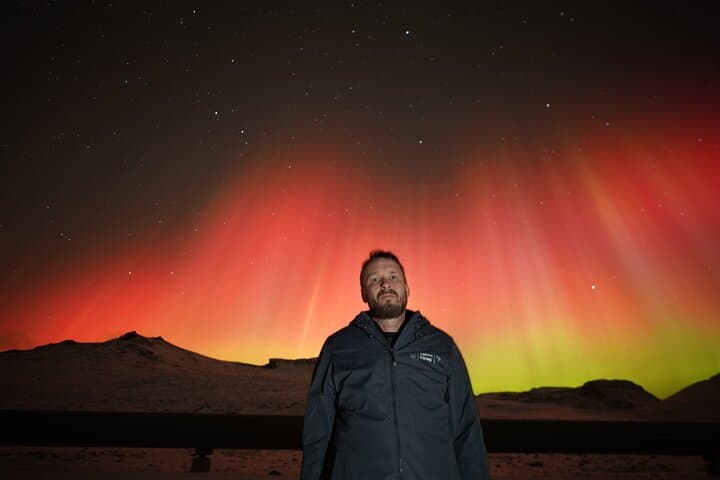
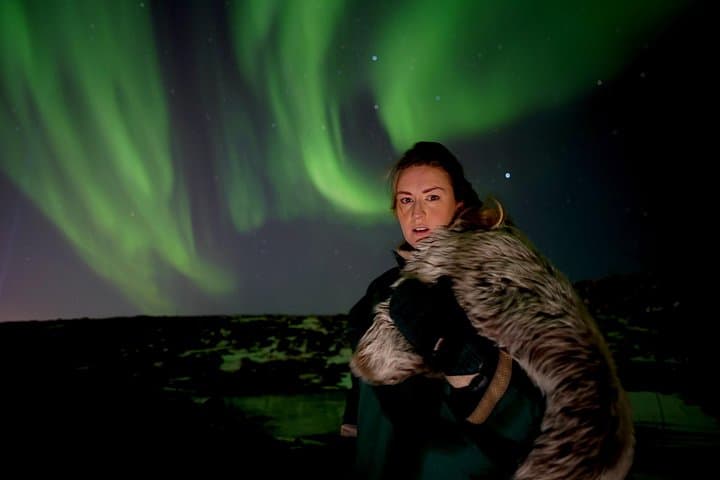
Chase the aurora outside Reykjavik with small-group attention and pro photography. Expect heated minibuses, hot chocolate, Viking props, and flexible route choices to maximize viewing chances.
Chase the aurora outside Reykjavik with small-group attention and pro photography. Expect heated minibuses, hot chocolate, Viking props, and flexible route choices to maximize viewing chances.
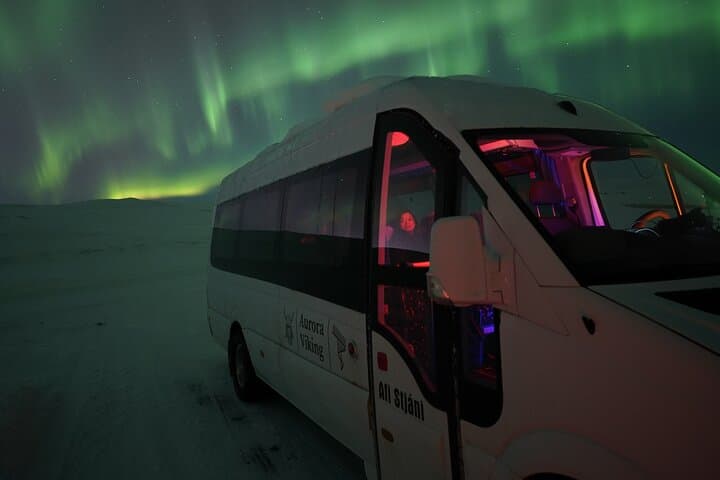
A cold wind off the North Atlantic brushes Reykjavik’s harbor as your minibus pulls away from the city lights. Within half an hour the urban glow thins, and the guide slows at a black-sand shoulder where the sky feels larger—waiting becomes part of the ritual. The guides keep heaters on in the van, hand out hot chocolate and gingerbread, and set up cameras while you scan the horizon for that first ghostly green band.
Verified experiences and guided adventures in the surrounding area.
Operated by Aurora Viking · Reykjavik, Capital Region
A cold wind off the North Atlantic brushes Reykjavik’s harbor as your minibus pulls away from the city lights. Within half an hour the urban glow thins, and the guide slows at a black-sand shoulder where the sky feels larger—waiting becomes part of the ritual. The guides keep heaters on in the van, hand out hot chocolate and gingerbread, and set up cameras while you scan the horizon for that first ghostly green band.
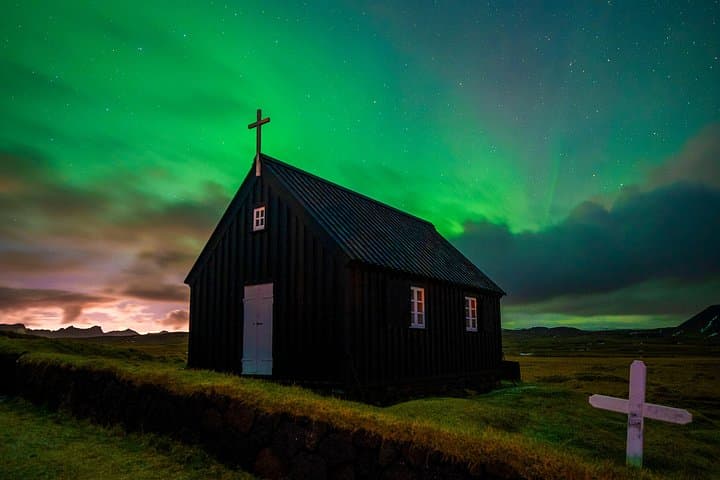
Icelanders have watched the aurora for centuries; sagas and folk stories tied the lights to omens and gods, while modern science explains charged solar particles colliding with the upper atmosphere. Geology plays its part too—the island’s volcanic bedrock and low population density mean many clear, dark spots ideal for viewing. Culturally, the tour is playful—guides add Viking props and tales to lighten the long nights.
Practically: this small-group hunt lasts about 3–5 hours and is flexible—drivers chase the best forecasted clear patches. Expect roadside stops on gravel or plowed shoulders, short, easy walks to vantage points, and professional photographers who shoot long-exposure images far beyond phone capability. Dress in insulated layers, bring a tripod if you have one, and plan for late-night returns to Reykjavik.
If the Aurora doesn’t appear your operator offers a free retry on another night. For photographers, timing, patience, and a steady tripod matter more than running speed. For everyone else, warm layers and a hot drink make the wait a comfortable part of the experience.
Chances depend on solar activity and cloud cover; operators use forecasts and will move locations to maximize success—free retries are often offered if you miss them the first night.
Guides are professional photographers and provide high-quality photos, but bringing your own camera and tripod lets you take personal long-exposure images.
Tours depart from Reykjavik; many operators offer central pick-up points or concierge pickup—confirm your pickup location when booking.
Night temperatures can be below freezing in winter—wear thermal base layers, an insulated jacket, hat, gloves, and waterproof boots for comfort during stops.
Aurora Viking operates guided outdoor trips and adventures with an emphasis on safety, stewardship, and memorable experiences.
A cold wind off the North Atlantic brushes Reykjavik’s harbor as your minibus pulls away from the city lights. Within half an hour the urban glow thins, and the guide slows at a black-sand shoulder where the sky feels larger—waiting becomes part of the ritual. The guides keep heaters on in the van, hand out hot chocolate and gingerbread, and set up cameras while you scan the horizon for that first ghostly green band.
A cold wind off the North Atlantic brushes Reykjavik’s harbor as your minibus pulls away from the city lights. Within half an hour the urban glow thins, and the guide slows at a black-sand shoulder where the sky feels larger—waiting becomes part of the ritual. The guides keep heaters on in the van, hand out hot chocolate and gingerbread, and set up cameras while you scan the horizon for that first ghostly green band.
Icelanders have watched the aurora for centuries; sagas and folk stories tied the lights to omens and gods, while modern science explains charged solar particles colliding with the upper atmosphere. Geology plays its part too—the island’s volcanic bedrock and low population density mean many clear, dark spots ideal for viewing. Culturally, the tour is playful—guides add Viking props and tales to lighten the long nights.
Practically: this small-group hunt lasts about 3–5 hours and is flexible—drivers chase the best forecasted clear patches. Expect roadside stops on gravel or plowed shoulders, short, easy walks to vantage points, and professional photographers who shoot long-exposure images far beyond phone capability. Dress in insulated layers, bring a tripod if you have one, and plan for late-night returns to Reykjavik.
If the Aurora doesn’t appear your operator offers a free retry on another night. For photographers, timing, patience, and a steady tripod matter more than running speed. For everyone else, warm layers and a hot drink make the wait a comfortable part of the experience.