THE ADVENTURE COLLECTIVE® · Independent discovery and booking for outdoor travel

Spend three hours moving from Reykjavík’s harbor to Hallgrímskirkja with a local guide who links geology, history, and contemporary culture. This accessible city tour highlights key landmarks and practical tips for first-time visitors.
Spend three hours moving from Reykjavík’s harbor to Hallgrímskirkja with a local guide who links geology, history, and contemporary culture. This accessible city tour highlights key landmarks and practical tips for first-time visitors.
A cold wind from the bay pushes across Austurvöllur as the group assembles, breath visible against the pale facades of Reykjavík’s square. The tour moves at a steady urban pace—past the low-slung wooden houses of the Old Town, along the pond where ducks argue over bread, and up toward Hallgrímskirkja, its concrete spire echoing the cliffs and lava flows that shaped Iceland.
Verified experiences and guided adventures in the surrounding area.
Operated by Oak Travel Service · Reykjavik, Capital Region
A cold wind from the bay pushes across Austurvöllur as the group assembles, breath visible against the pale facades of Reykjavík’s square. The tour moves at a steady urban pace—past the low-slung wooden houses of the Old Town, along the pond where ducks argue over bread, and up toward Hallgrímskirkja, its concrete spire echoing the cliffs and lava flows that shaped Iceland.
The city’s modern skyline is recent by Icelandic standards. Reykjavík grew from a few fishing farms into the nation’s cultural and political center; the House of Parliament sits where civic life coalesced in the 19th century. Geology is never far: basaltic plains and glacially carved fjords frame distant horizons, and even the design of Hallgrímskirkja references columnar lava and ice.
Culturally the city blends Viking-era sagas, a pragmatic fishing heritage, and a contemporary arts scene—Harpa concert hall’s glass panels refract northern light, while the Pearl sits atop former hot-water tanks, a reminder of Iceland’s geothermal backbone.
Practical guidance: the three-hour tour covers mostly paved streets with short hills—comfortable footwear and a windproof layer are wise. Bring a camera and small change for café stops; public restrooms appear intermittently. If daylight is short (winter), expect brisk walking between stops. The route is family- and wheelchair-friendly and includes a licensed guide who points out historical context and local tips. Time your visit for clear weather to get the best views from Perlan or the church tower; when clouds close in, focus on interior stops like Harpa and city museums.
The tour runs approximately three hours and covers central Reykjavík attractions with short walking segments between stops.
Entrance to paid attractions like Perlan exhibits or museum interiors is typically not included; the tour covers exterior viewpoints and commentary unless specified otherwise.
Most stops and transportation are wheelchair accessible; notify the operator when booking to confirm specific arrangements.
Tours are generally offered in English; private options may include other languages—check the booking details.
Oak Travel Service operates guided outdoor trips and adventures with an emphasis on safety, stewardship, and memorable experiences.

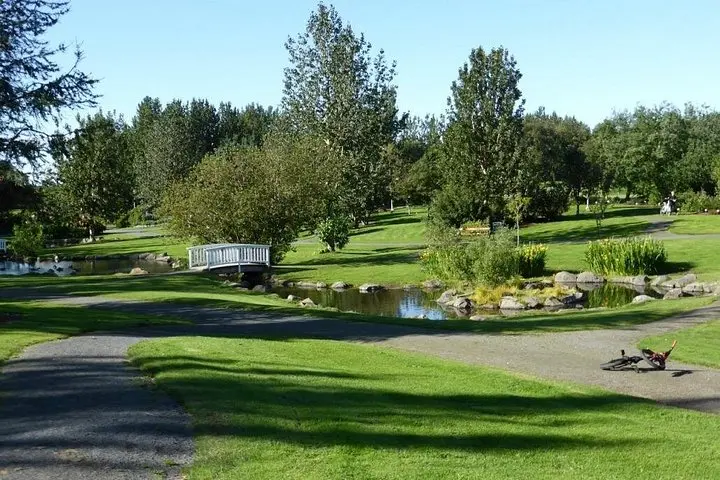
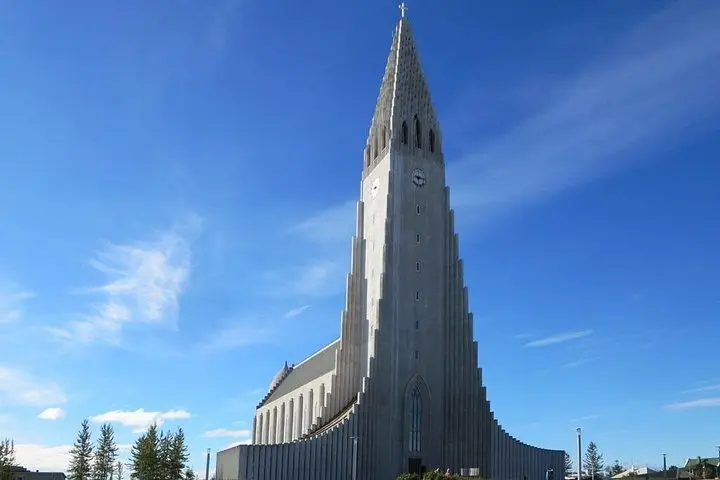
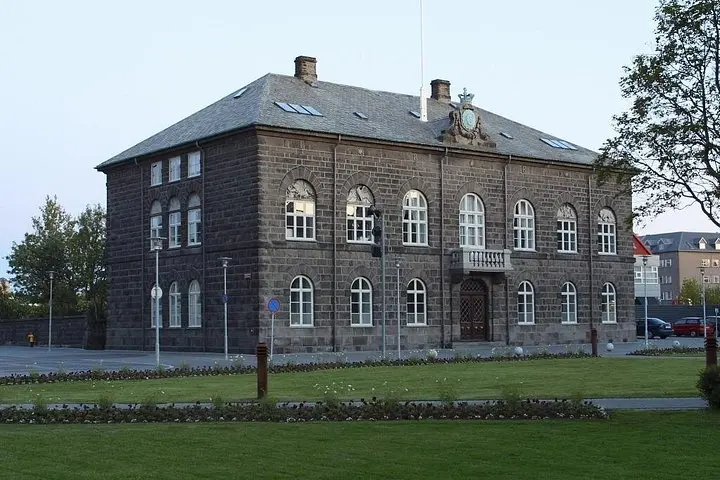
A cold wind from the bay pushes across Austurvöllur as the group assembles, breath visible against the pale facades of Reykjavík’s square. The tour moves at a steady urban pace—past the low-slung wooden houses of the Old Town, along the pond where ducks argue over bread, and up toward Hallgrímskirkja, its concrete spire echoing the cliffs and lava flows that shaped Iceland.
A cold wind from the bay pushes across Austurvöllur as the group assembles, breath visible against the pale facades of Reykjavík’s square. The tour moves at a steady urban pace—past the low-slung wooden houses of the Old Town, along the pond where ducks argue over bread, and up toward Hallgrímskirkja, its concrete spire echoing the cliffs and lava flows that shaped Iceland.
The city’s modern skyline is recent by Icelandic standards. Reykjavík grew from a few fishing farms into the nation’s cultural and political center; the House of Parliament sits where civic life coalesced in the 19th century. Geology is never far: basaltic plains and glacially carved fjords frame distant horizons, and even the design of Hallgrímskirkja references columnar lava and ice.
Culturally the city blends Viking-era sagas, a pragmatic fishing heritage, and a contemporary arts scene—Harpa concert hall’s glass panels refract northern light, while the Pearl sits atop former hot-water tanks, a reminder of Iceland’s geothermal backbone.
Practical guidance: the three-hour tour covers mostly paved streets with short hills—comfortable footwear and a windproof layer are wise. Bring a camera and small change for café stops; public restrooms appear intermittently. If daylight is short (winter), expect brisk walking between stops. The route is family- and wheelchair-friendly and includes a licensed guide who points out historical context and local tips. Time your visit for clear weather to get the best views from Perlan or the church tower; when clouds close in, focus on interior stops like Harpa and city museums.