THE ADVENTURE COLLECTIVE® · Independent discovery and booking for outdoor travel

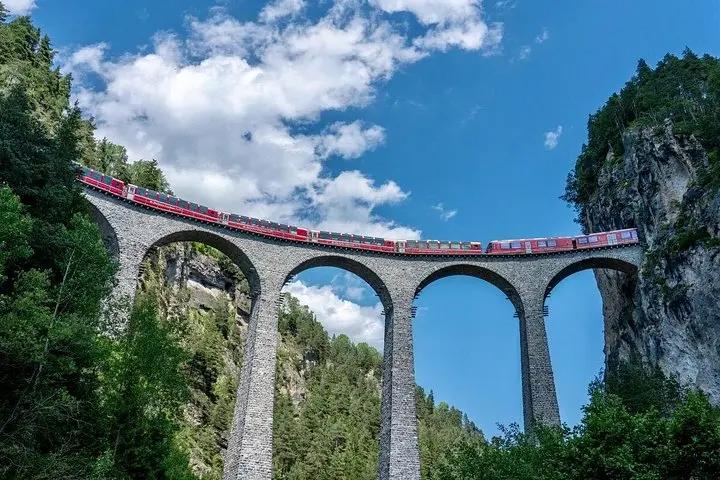
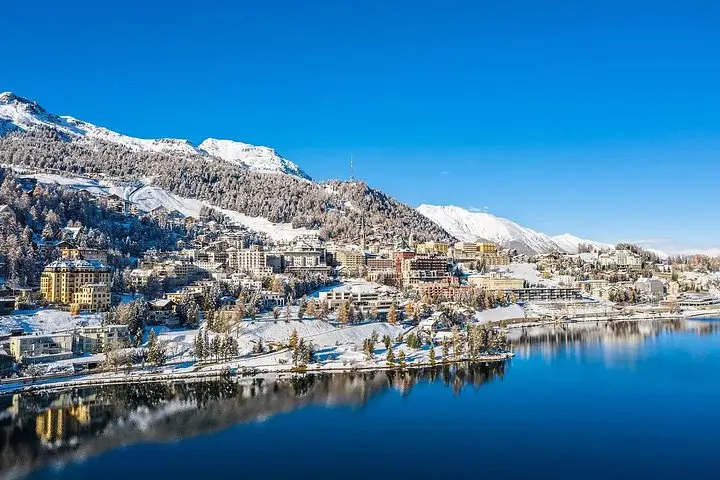
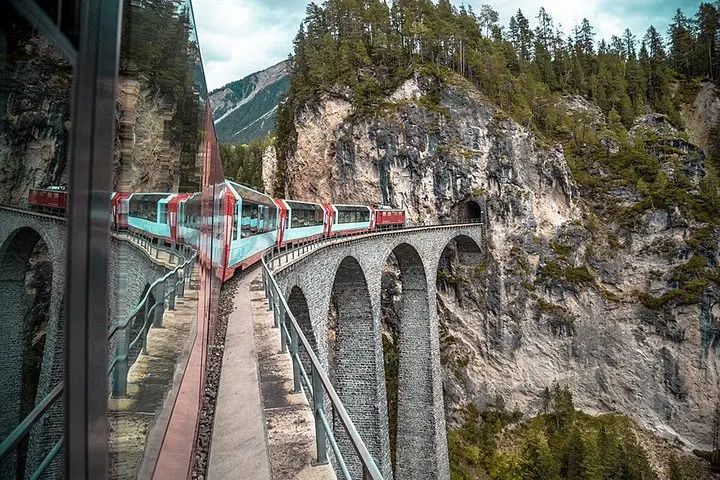
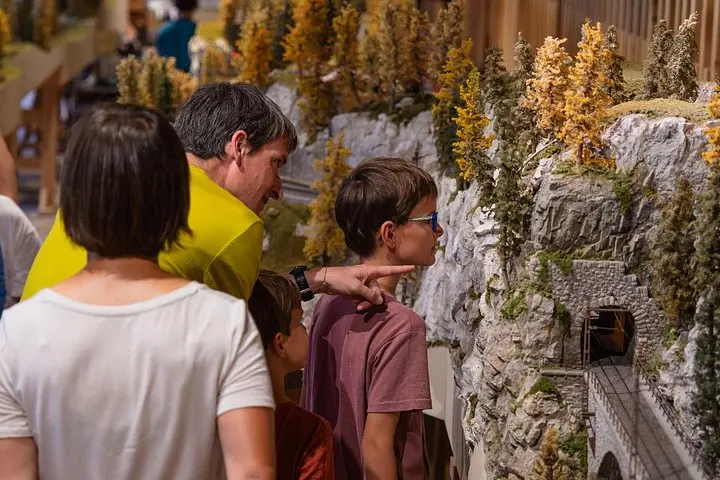
Ride a UNESCO World Heritage railway through dramatic gorges and spiral tunnels to the iconic Landwasser Viaduct, visit the Albula Train Museum in Bergün, and spend leisure time in St. Moritz. A full-day, low‑effort journey that highlights Swiss engineering and alpine scenery.
Ride a UNESCO World Heritage railway through dramatic gorges and spiral tunnels to the iconic Landwasser Viaduct, visit the Albula Train Museum in Bergün, and spend leisure time in St. Moritz. A full-day, low‑effort journey that highlights Swiss engineering and alpine scenery.
Morning light spills across Zurich HB as the red carriages of the Rhaetian Railway slide out of the station and begin their climb east. Windows frame a shifting sequence of blue lakes, vineyard terraces, and eventually narrow river gorges where the Albula River dares you to keep watching.
Verified experiences and guided adventures in the surrounding area.
Operated by Swiss D Tours · Zurich, Zürich
Morning light spills across Zurich HB as the red carriages of the Rhaetian Railway slide out of the station and begin their climb east. Windows frame a shifting sequence of blue lakes, vineyard terraces, and eventually narrow river gorges where the Albula River dares you to keep watching.
This day-long route traces a century of Swiss railway ingenuity. Built in the early 20th century to link remote alpine valleys, the Albula Line is now a UNESCO World Heritage site — an interplay of stone viaducts, spiral tunnels and precisely graded track that tames dramatic elevation change without cogwheels.
Geology and culture arrive together: limestone bridges arch above glacially carved valleys while Engadin traditions appear in farmhouse clusters and the elegant chalets of St. Moritz. In Bergün, the Albula Train Museum contextualizes the effort of engineers and local workers who cut tunnels through hard rock and marshaled trains across a wild landscape.
Expect panoramic slow‑speed sections ideal for photography, a short optional hike to the Landwasser viewpoint (20–40 minutes round-trip), and a contrasting return through the modern Vereina Base Tunnel beneath the Alps. The day balances relaxed rail travel with short stretches on foot and free time in St. Moritz to walk the lakeshore or grab coffee.
Practicalities: bring layered clothing for big temperature swings, a charged camera, and reserve a full day — trains and museum visits fit into a 10–12 hour schedule. This is a low‑effort but high‑reward alpine experience: minimal fitness required, maximum landscape payoff.
Expect a full-day excursion of roughly 10–12 hours including train segments, museum visit, viewpoint time, and free time in St. Moritz.
The main viewpoint involves a short uphill walk; there is sometimes a shuttle or local tourist train in summer that reduces walking distance—check seasonal options in advance.
The itinerary lists the Albula Train Museum admission as included; confirm booking details and opening hours before travel.
Yes—most of the route is slow enough for window photography; use a seat on the valley side and be ready for sudden framing changes through tunnels and curves.
Swiss D Tours operates guided outdoor trips and adventures with an emphasis on safety, stewardship, and memorable experiences.
Morning light spills across Zurich HB as the red carriages of the Rhaetian Railway slide out of the station and begin their climb east. Windows frame a shifting sequence of blue lakes, vineyard terraces, and eventually narrow river gorges where the Albula River dares you to keep watching.
Morning light spills across Zurich HB as the red carriages of the Rhaetian Railway slide out of the station and begin their climb east. Windows frame a shifting sequence of blue lakes, vineyard terraces, and eventually narrow river gorges where the Albula River dares you to keep watching.
This day-long route traces a century of Swiss railway ingenuity. Built in the early 20th century to link remote alpine valleys, the Albula Line is now a UNESCO World Heritage site — an interplay of stone viaducts, spiral tunnels and precisely graded track that tames dramatic elevation change without cogwheels.
Geology and culture arrive together: limestone bridges arch above glacially carved valleys while Engadin traditions appear in farmhouse clusters and the elegant chalets of St. Moritz. In Bergün, the Albula Train Museum contextualizes the effort of engineers and local workers who cut tunnels through hard rock and marshaled trains across a wild landscape.
Expect panoramic slow‑speed sections ideal for photography, a short optional hike to the Landwasser viewpoint (20–40 minutes round-trip), and a contrasting return through the modern Vereina Base Tunnel beneath the Alps. The day balances relaxed rail travel with short stretches on foot and free time in St. Moritz to walk the lakeshore or grab coffee.
Practicalities: bring layered clothing for big temperature swings, a charged camera, and reserve a full day — trains and museum visits fit into a 10–12 hour schedule. This is a low‑effort but high‑reward alpine experience: minimal fitness required, maximum landscape payoff.