THE ADVENTURE COLLECTIVE® · Independent discovery and booking for outdoor travel

Track Uganda’s only free-roaming rhinos at Ziwa Rhino Sanctuary on a full-day trip from Kampala. This guided trek combines close (but safe) wildlife viewing with conservation insights and a scenic drive through central Uganda.
Track Uganda’s only free-roaming rhinos at Ziwa Rhino Sanctuary on a full-day trip from Kampala. This guided trek combines close (but safe) wildlife viewing with conservation insights and a scenic drive through central Uganda.
You step out before dawn, the roadlight thinning as the city yields to open grassland. Morning wind lifts dust from the national highway and, past a ribbon of acacia and riverine woodland, the Ziwa Rhino Sanctuary appears: low hills, tall grasses and the soft bulk of a rhinoceros moving through the plains like a slow, deliberate shadow.
Verified experiences and guided adventures in the surrounding area.
Operated by Dark Hills Uganda · Nakasongola, Central Region
You step out before dawn, the roadlight thinning as the city yields to open grassland. Morning wind lifts dust from the national highway and, past a ribbon of acacia and riverine woodland, the Ziwa Rhino Sanctuary appears: low hills, tall grasses and the soft bulk of a rhinoceros moving through the plains like a slow, deliberate shadow.
Ziwa is Uganda’s only protected site for free-roaming rhinoceros, a conservation project born in the early 2000s to reintroduce white rhinos to the country after decades of extirpation. Geologically the area is flat to gently undulating savannah underlain by older sedimentary soils; the habitat alternates between open grassland and dense mopane/riverine strips that funnel wildlife and offer good tracking lanes.
Culturally, Ziwa sits within a working agricultural landscape—local communities support sanctuary efforts through employment and visitor services, and guides combine traditional knowledge with contemporary conservation practice.
On the walk you’ll move quietly with a professional guide, reading spoor in the dust, watching birds flare from thorn scrub, and feeling the ground change as you close on rhino sign. Guides enforce safe viewing distances and tracking protocol; encounters are brief, respectful and photographed from a distance.
Practical notes: expect an 8-hour day from Kampala with vehicle transfers, wear sturdy closed-toe shoes, sun protection and layers for early chill. Bring water, a zoom lens or binoculars, and insect repellent. Physical requirement is moderate—steady walking over uneven ground for up to a few hours. The visit supports active rhino conservation and offers one of East Africa’s most focused, low-impact large-mammal encounters.
Expect about a 2.5–4 hour drive each way depending on traffic and road conditions; the full experience is approximately 8 hours.
No—sightings depend on animal movement, but Ziwa maintains a stable population and guides are experienced at locating rhinos using spoor and radio tracking.
Participants should be 15 years or older per operator policy; the walk involves sustained outdoor activity and safety protocols.
Professional guides manage distance and approach; visitors must stay with the group, remain quiet, and follow instructions to avoid stressing animals.
Dark Hills Uganda operates guided outdoor trips and adventures with an emphasis on safety, stewardship, and memorable experiences.
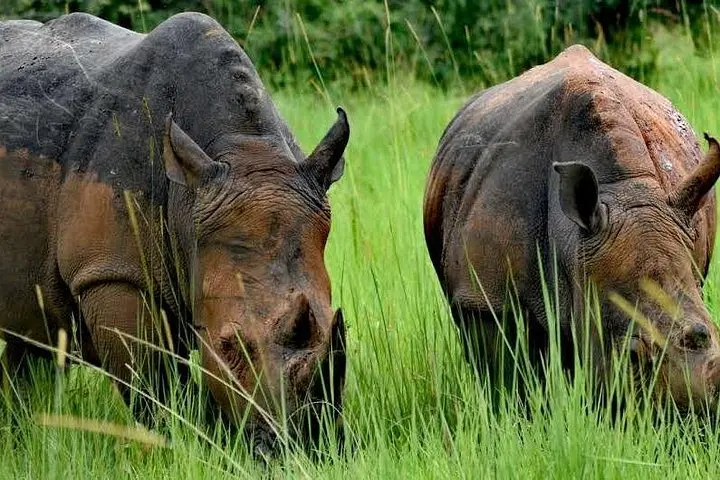
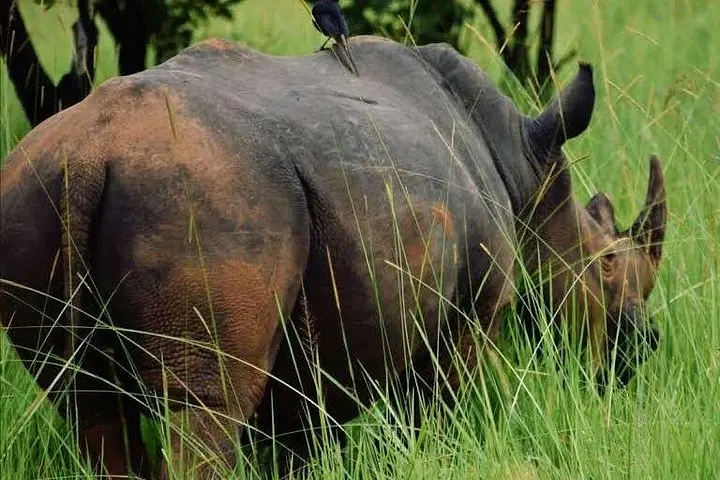
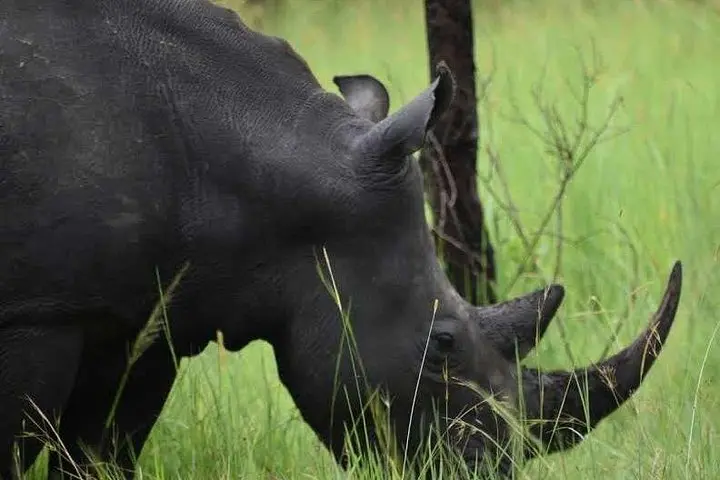
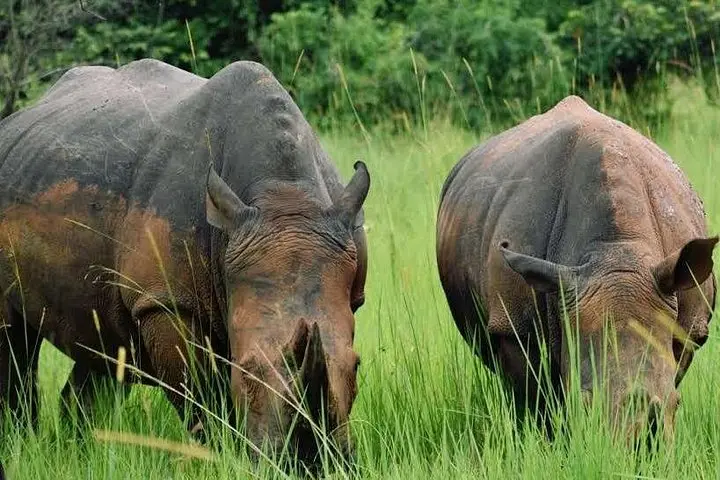
You step out before dawn, the roadlight thinning as the city yields to open grassland. Morning wind lifts dust from the national highway and, past a ribbon of acacia and riverine woodland, the Ziwa Rhino Sanctuary appears: low hills, tall grasses and the soft bulk of a rhinoceros moving through the plains like a slow, deliberate shadow.
You step out before dawn, the roadlight thinning as the city yields to open grassland. Morning wind lifts dust from the national highway and, past a ribbon of acacia and riverine woodland, the Ziwa Rhino Sanctuary appears: low hills, tall grasses and the soft bulk of a rhinoceros moving through the plains like a slow, deliberate shadow.
Ziwa is Uganda’s only protected site for free-roaming rhinoceros, a conservation project born in the early 2000s to reintroduce white rhinos to the country after decades of extirpation. Geologically the area is flat to gently undulating savannah underlain by older sedimentary soils; the habitat alternates between open grassland and dense mopane/riverine strips that funnel wildlife and offer good tracking lanes.
Culturally, Ziwa sits within a working agricultural landscape—local communities support sanctuary efforts through employment and visitor services, and guides combine traditional knowledge with contemporary conservation practice.
On the walk you’ll move quietly with a professional guide, reading spoor in the dust, watching birds flare from thorn scrub, and feeling the ground change as you close on rhino sign. Guides enforce safe viewing distances and tracking protocol; encounters are brief, respectful and photographed from a distance.
Practical notes: expect an 8-hour day from Kampala with vehicle transfers, wear sturdy closed-toe shoes, sun protection and layers for early chill. Bring water, a zoom lens or binoculars, and insect repellent. Physical requirement is moderate—steady walking over uneven ground for up to a few hours. The visit supports active rhino conservation and offers one of East Africa’s most focused, low-impact large-mammal encounters.