THE ADVENTURE COLLECTIVE® · Independent discovery and booking for outdoor travel

Spend a day exploring two of Rhodes’ top nature sites: the shaded, butterfly-filled ravines of Petaloudes and the cool, mysterious gorge of Epta Piges. This practical guide covers what to expect on the trails, when to see the butterfly congregation, and how to prepare for uneven terrain and short river crossings.
Spend a day exploring two of Rhodes’ top nature sites: the shaded, butterfly-filled ravines of Petaloudes and the cool, mysterious gorge of Epta Piges. This practical guide covers what to expect on the trails, when to see the butterfly congregation, and how to prepare for uneven terrain and short river crossings.
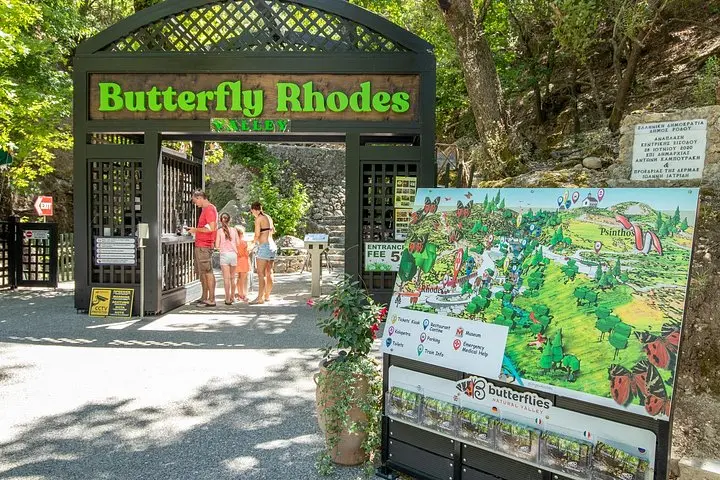
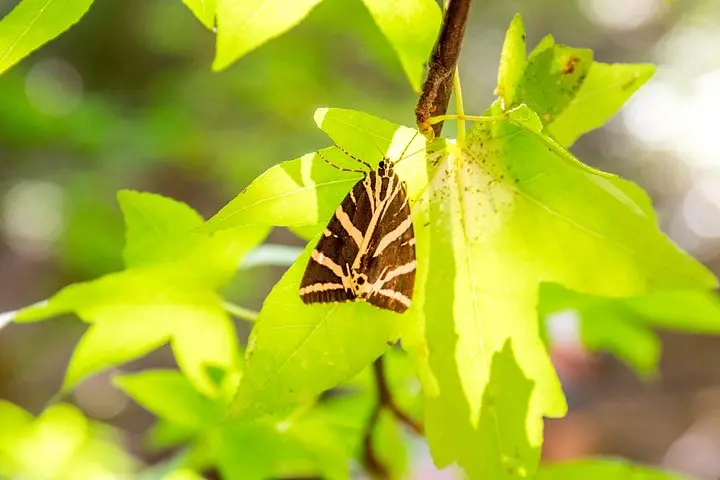
The bus drops you at a cool whisper of eucalyptus and plane trees; water threads through stone and sunlight picks out pale wings. In Butterfly Valley (Petaloudes) shaded trails follow the Pelekanos River, and during July–September the Panaxia quadripunctaria butterflies collect in the gorge like a slow-moving cloud. The air smells faintly of damp leaf mold and river algae; rock steps and boardwalks guide you past small cascades and pools where the endemic freshwater crab, Potamon rhodium, scuttles under stones.
Verified experiences and guided adventures in the surrounding area.
Operated by Manos Going · Rhodes, South Aegean
The bus drops you at a cool whisper of eucalyptus and plane trees; water threads through stone and sunlight picks out pale wings. In Butterfly Valley (Petaloudes) shaded trails follow the Pelekanos River, and during July–September the Panaxia quadripunctaria butterflies collect in the gorge like a slow-moving cloud. The air smells faintly of damp leaf mold and river algae; rock steps and boardwalks guide you past small cascades and pools where the endemic freshwater crab, Potamon rhodium, scuttles under stones.
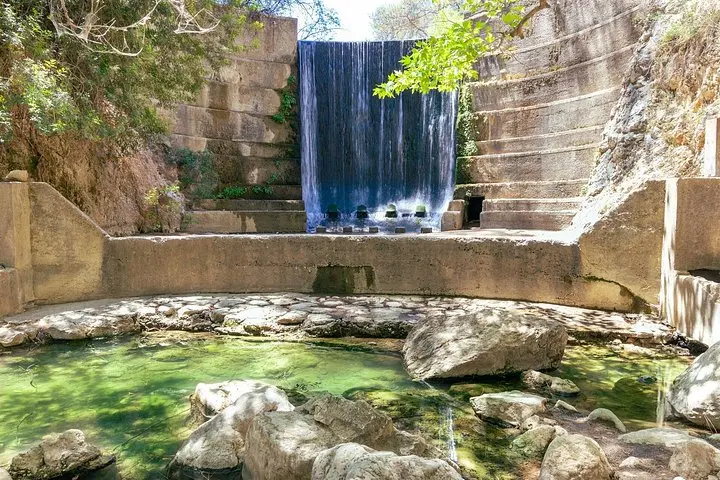
Rhodes’ interior is volcanic and limestone—old lava flows sculpted into gullies and karst springs—so water appears suddenly and disappears into tunnels. Epta Piges (Seven Springs) on the island’s east side offers a contrasting scene: a narrow, cool gorge, a short but slightly uneven hike, and an artificial lake behind a low dam reached through a man-made tunnel. Both places were shaped by centuries of human and natural use—the springs fed Ottoman and Venetian-era settlements and later Italian waterworks on the island.
Practical guidance: plan a full day—transport between sites and short on-foot exploration totals about seven hours. Wear sturdy shoes with grip for stony and sometimes slick trails; bring 1–2 liters of water, sun protection for transfers, and a light layer for shade-cooled gorges. Respect seasonal rules: butterflies are present mainly July–September and access can vary; stick to paths, avoid loud noises, and do not touch butterflies. Pickup points are in Faliraki, Rhodes Town, Ixia, and Ialysos—confirm your exact pickup time the day before. The trip suits travelers with moderate fitness comfortable with uneven terrain and short stair sections.
The butterfly congregation occurs mainly in July, August and September; numbers peak in warm, calm conditions and mid to late summer.
Yes—during high season an entrance fee (around €6) is charged at Butterfly Valley; Seven Springs is generally free to enter.
Trails include uneven surfaces, steps and short slopes—children can usually manage with supervision; not recommended for travelers with significant mobility issues.
Pickups are provided from designated points in Faliraki, Rhodes Town, Ixia and Ialysos; confirm your pickup location and time when booking.
Manos Going operates guided outdoor trips and adventures with an emphasis on safety, stewardship, and memorable experiences.

The bus drops you at a cool whisper of eucalyptus and plane trees; water threads through stone and sunlight picks out pale wings. In Butterfly Valley (Petaloudes) shaded trails follow the Pelekanos River, and during July–September the Panaxia quadripunctaria butterflies collect in the gorge like a slow-moving cloud. The air smells faintly of damp leaf mold and river algae; rock steps and boardwalks guide you past small cascades and pools where the endemic freshwater crab, Potamon rhodium, scuttles under stones.
The bus drops you at a cool whisper of eucalyptus and plane trees; water threads through stone and sunlight picks out pale wings. In Butterfly Valley (Petaloudes) shaded trails follow the Pelekanos River, and during July–September the Panaxia quadripunctaria butterflies collect in the gorge like a slow-moving cloud. The air smells faintly of damp leaf mold and river algae; rock steps and boardwalks guide you past small cascades and pools where the endemic freshwater crab, Potamon rhodium, scuttles under stones.
Rhodes’ interior is volcanic and limestone—old lava flows sculpted into gullies and karst springs—so water appears suddenly and disappears into tunnels. Epta Piges (Seven Springs) on the island’s east side offers a contrasting scene: a narrow, cool gorge, a short but slightly uneven hike, and an artificial lake behind a low dam reached through a man-made tunnel. Both places were shaped by centuries of human and natural use—the springs fed Ottoman and Venetian-era settlements and later Italian waterworks on the island.
Practical guidance: plan a full day—transport between sites and short on-foot exploration totals about seven hours. Wear sturdy shoes with grip for stony and sometimes slick trails; bring 1–2 liters of water, sun protection for transfers, and a light layer for shade-cooled gorges. Respect seasonal rules: butterflies are present mainly July–September and access can vary; stick to paths, avoid loud noises, and do not touch butterflies. Pickup points are in Faliraki, Rhodes Town, Ixia, and Ialysos—confirm your exact pickup time the day before. The trip suits travelers with moderate fitness comfortable with uneven terrain and short stair sections.