THE ADVENTURE COLLECTIVE® · Independent discovery and booking for outdoor travel

Hike a verdant trail through Rhodes’ pine foothills to a 15th-century church and an abandoned Italian-era village converted into a sanatorium. Expect forest paths, historic stonework, and a ghost town with rare freshwater life.
Hike a verdant trail through Rhodes’ pine foothills to a 15th-century church and an abandoned Italian-era village converted into a sanatorium. Expect forest paths, historic stonework, and a ghost town with rare freshwater life.
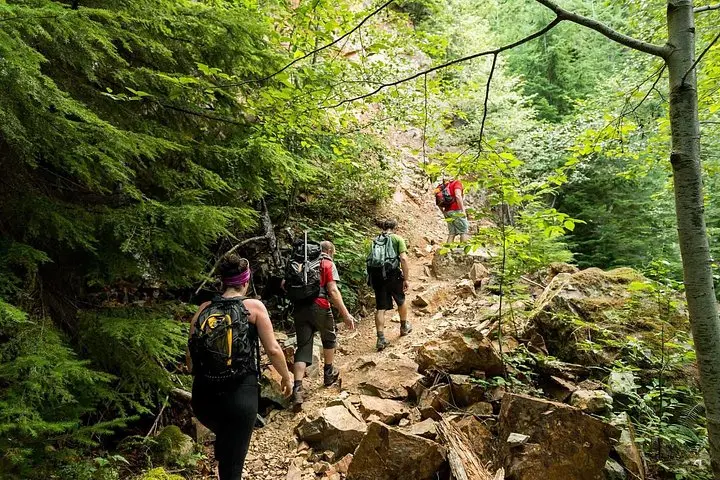
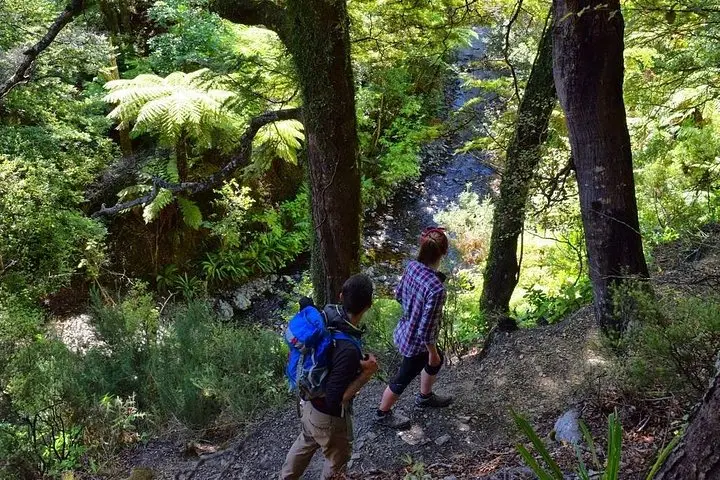
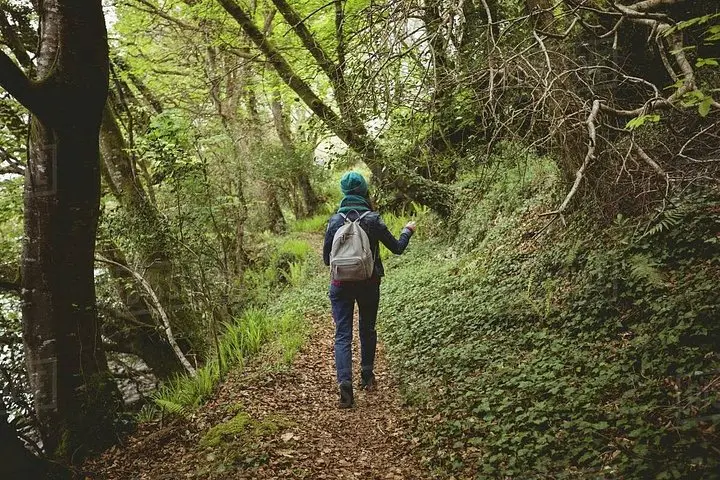
You step off the shaded track and into a green hush — tall pines lean inward as if to watch your progress, the forest floor soft underfoot and the air smelling faintly of resin and sea-borne salt.
Verified experiences and guided adventures in the surrounding area.
Operated by Rhodes Islander · Rhodes, South Aegean
You step off the shaded track and into a green hush — tall pines lean inward as if to watch your progress, the forest floor soft underfoot and the air smelling faintly of resin and sea-borne salt.
The route threads through thick Mediterranean woodland toward foothills of Profitis Ilias, rising in short, steady pitches before opening onto an asphalt approach and the stone church of Agios Nikolaos Foundoukli. The church dates to the late medieval period and its cracked murals and compact apses give a quiet, lived-in sense of the island’s layered past.
From there the path winds to Campochiaro (today Eleousa), an Italian-era settlement built in 1935. After World War II it became a sanatorium; now abandoned market stalls, a small prison wing and a crumbling church sit under peeled paint and climbing shrubs — architecture that tells of migration, medical history and 20th-century occupation.
Geologically the area sits on Rhodes’ schist and limestone foothills; trails can be stony where runoff cuts shallow gullies, and a nearby freshwater pond shelters the rare Gizani fish, a reminder that islands hold unexpected ecosystems.
Practical guidance: expect 4–5 hours including transit, with roughly two hours of steady hiking on mixed dirt and asphalt. Wear ankle-supporting footwear, carry 1–1.5 liters of water, and pack a light layer — afternoon winds can sharpen on exposed viewpoints. Respect private or unsafe structures in the ghost village: photography is fine, but avoid entering unstable buildings. Morning starts bring cooler temperatures and clearer views; late afternoon casts long shadows that shape the ruins dramatically.
The experience runs about 4–5 hours including transport; expect roughly two hours of walking on trails and paved approaches.
Many structures are unstable and fenced or unsafe; explore them from the outside and follow the guide's instructions for safety.
The route is rated easy-to-moderate; young children and those with limited mobility should check with the operator about specific access and transport options.
You may spot local birds, lizards and the rare Gizani fish in the freshwater pond; wildlife sightings aren't guaranteed.
Rhodes Islander operates guided outdoor trips and adventures with an emphasis on safety, stewardship, and memorable experiences.

You step off the shaded track and into a green hush — tall pines lean inward as if to watch your progress, the forest floor soft underfoot and the air smelling faintly of resin and sea-borne salt.
You step off the shaded track and into a green hush — tall pines lean inward as if to watch your progress, the forest floor soft underfoot and the air smelling faintly of resin and sea-borne salt.
The route threads through thick Mediterranean woodland toward foothills of Profitis Ilias, rising in short, steady pitches before opening onto an asphalt approach and the stone church of Agios Nikolaos Foundoukli. The church dates to the late medieval period and its cracked murals and compact apses give a quiet, lived-in sense of the island’s layered past.
From there the path winds to Campochiaro (today Eleousa), an Italian-era settlement built in 1935. After World War II it became a sanatorium; now abandoned market stalls, a small prison wing and a crumbling church sit under peeled paint and climbing shrubs — architecture that tells of migration, medical history and 20th-century occupation.
Geologically the area sits on Rhodes’ schist and limestone foothills; trails can be stony where runoff cuts shallow gullies, and a nearby freshwater pond shelters the rare Gizani fish, a reminder that islands hold unexpected ecosystems.
Practical guidance: expect 4–5 hours including transit, with roughly two hours of steady hiking on mixed dirt and asphalt. Wear ankle-supporting footwear, carry 1–1.5 liters of water, and pack a light layer — afternoon winds can sharpen on exposed viewpoints. Respect private or unsafe structures in the ghost village: photography is fine, but avoid entering unstable buildings. Morning starts bring cooler temperatures and clearer views; late afternoon casts long shadows that shape the ruins dramatically.