THE ADVENTURE COLLECTIVE® · Independent discovery and booking for outdoor travel

Explore the Ria Formosa lagoon on a two-hour guided boat trip with a stop at Armona Island. Expect shallow channels, salt marshes, and close-up birdlife with local commentary from a professional skipper.
Explore the Ria Formosa lagoon on a two-hour guided boat trip with a stop at Armona Island. Expect shallow channels, salt marshes, and close-up birdlife with local commentary from a professional skipper.
The boat slips out of the small fishing port, the engine a steady companion as tidal channels open like pages of a map. Salt air cuts clear; low dunes and reed beds line the lagoon while the skipper points to a muddied ribbon of water where flamingos feed. Within minutes the shallow mosaic of Ria Formosa National Park rearranges the horizon—sandbanks, tidal creeks and barrier islands rolling toward the Atlantic.
Verified experiences and guided adventures in the surrounding area.
Operated by Passeios Ria Formosa · Faro, Algarve
The boat slips out of the small fishing port, the engine a steady companion as tidal channels open like pages of a map. Salt air cuts clear; low dunes and reed beds line the lagoon while the skipper points to a muddied ribbon of water where flamingos feed. Within minutes the shallow mosaic of Ria Formosa National Park rearranges the horizon—sandbanks, tidal creeks and barrier islands rolling toward the Atlantic.
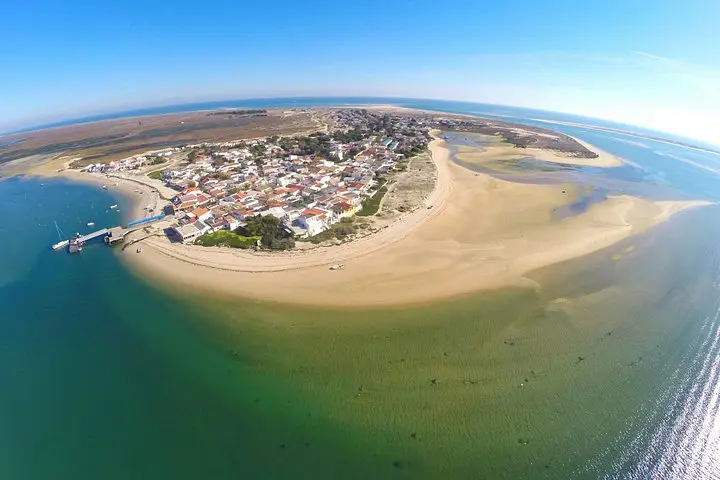
Ria Formosa is a dynamic coastal lagoon system formed by post-glacial sedimentation and shaped by tides and southerly currents. Historically vital to Faro and Olhão as fishing grounds, the islands once provided seasonal shelter for fishermen and now support migratory birds, seagrass meadows and salt pans that sustained Algarve communities for centuries.
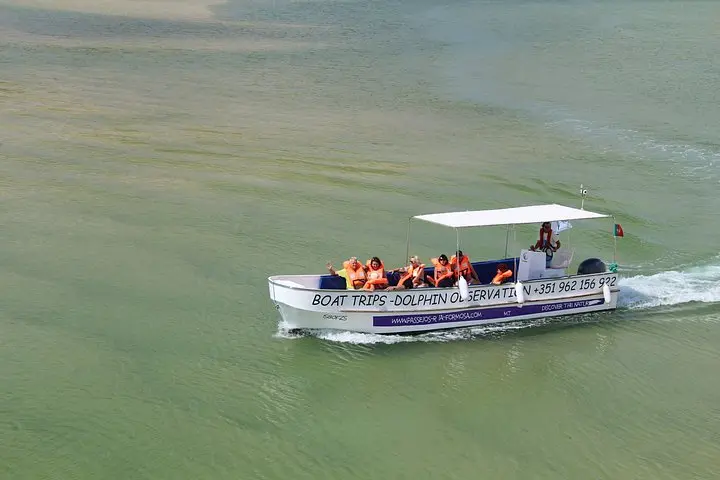
On this two-hour route expect an orientation to the park’s ecology, a stop on Armona Island for shoreline walking and photo opportunities, and narration from a local skipper who knows the channels and birding hotspots. The boat handles shallow water—no deep-hull drama—and groups are small enough for personal questions.
Practical guidance: arrive at the marina 15 minutes early, bring sun protection and a light wind layer, and prepare for an island landing with soft sand underfoot. If you’re prone to seasickness, take medication before boarding. Respect signage on protected shores and keep a respectful distance from nesting birds. The tour is accessible to most fitness levels and offers a compact, informative way to experience one of Portugal’s most ecologically significant coastlines.
The tour departs from the small fishing port near the children’s park in Faro and returns to the same point.
Yes—this tour is wheelchair and stroller accessible and suitable for infants; staff provide assistance for boarding when needed.
Yes—the itinerary includes a short stop on Armona for shoreline walking, photos and brief exploration of the island.
Common sightings include waders and shorebirds such as oystercatchers and avocets, plus occasional flamingos and seabirds near the barrier islands.
Passeios Ria Formosa operates guided outdoor trips and adventures with an emphasis on safety, stewardship, and memorable experiences.
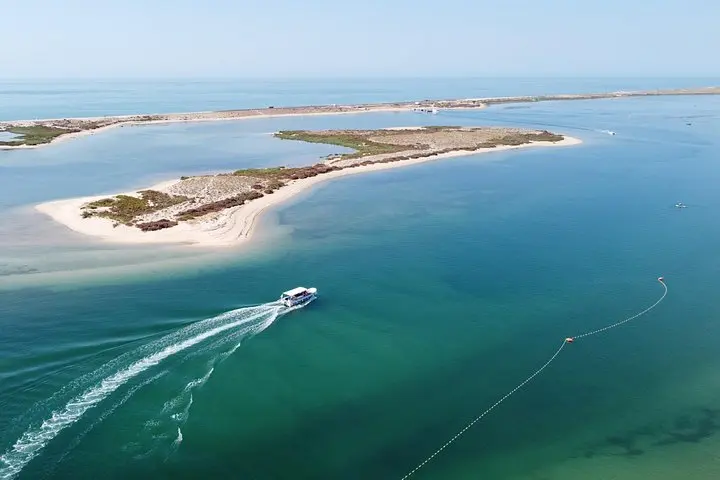
The boat slips out of the small fishing port, the engine a steady companion as tidal channels open like pages of a map. Salt air cuts clear; low dunes and reed beds line the lagoon while the skipper points to a muddied ribbon of water where flamingos feed. Within minutes the shallow mosaic of Ria Formosa National Park rearranges the horizon—sandbanks, tidal creeks and barrier islands rolling toward the Atlantic.
The boat slips out of the small fishing port, the engine a steady companion as tidal channels open like pages of a map. Salt air cuts clear; low dunes and reed beds line the lagoon while the skipper points to a muddied ribbon of water where flamingos feed. Within minutes the shallow mosaic of Ria Formosa National Park rearranges the horizon—sandbanks, tidal creeks and barrier islands rolling toward the Atlantic.
Ria Formosa is a dynamic coastal lagoon system formed by post-glacial sedimentation and shaped by tides and southerly currents. Historically vital to Faro and Olhão as fishing grounds, the islands once provided seasonal shelter for fishermen and now support migratory birds, seagrass meadows and salt pans that sustained Algarve communities for centuries.
On this two-hour route expect an orientation to the park’s ecology, a stop on Armona Island for shoreline walking and photo opportunities, and narration from a local skipper who knows the channels and birding hotspots. The boat handles shallow water—no deep-hull drama—and groups are small enough for personal questions.
Practical guidance: arrive at the marina 15 minutes early, bring sun protection and a light wind layer, and prepare for an island landing with soft sand underfoot. If you’re prone to seasickness, take medication before boarding. Respect signage on protected shores and keep a respectful distance from nesting birds. The tour is accessible to most fitness levels and offers a compact, informative way to experience one of Portugal’s most ecologically significant coastlines.