THE ADVENTURE COLLECTIVE® · Independent discovery and booking for outdoor travel

Explore Ria Formosa's tidal labyrinth on a two-hour guided pontoon cruise from Faro. Expect close views of waders, oyster beds, and a short stop on a quieter sandbar—ideal for birders and first-time lagoon visitors.
Explore Ria Formosa's tidal labyrinth on a two-hour guided pontoon cruise from Faro. Expect close views of waders, oyster beds, and a short stop on a quieter sandbar—ideal for birders and first-time lagoon visitors.
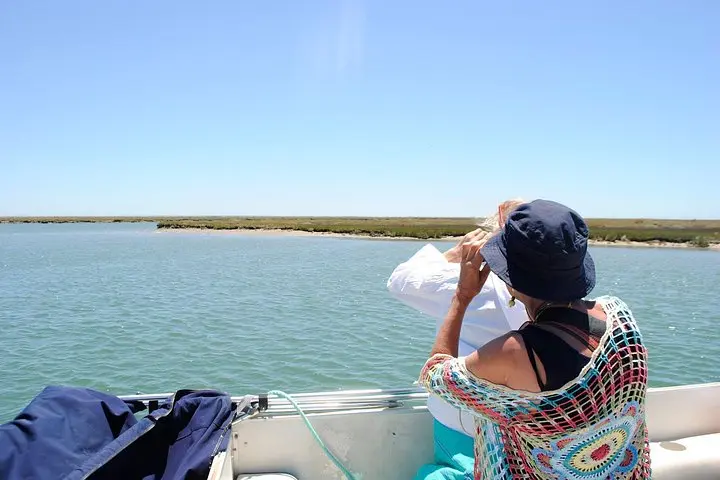
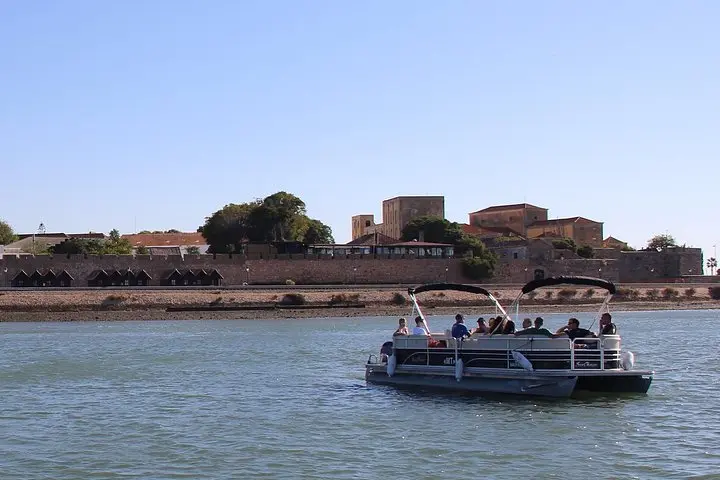
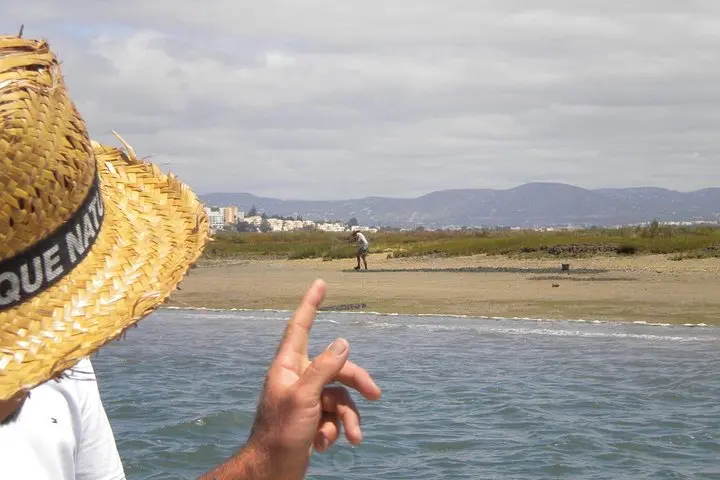
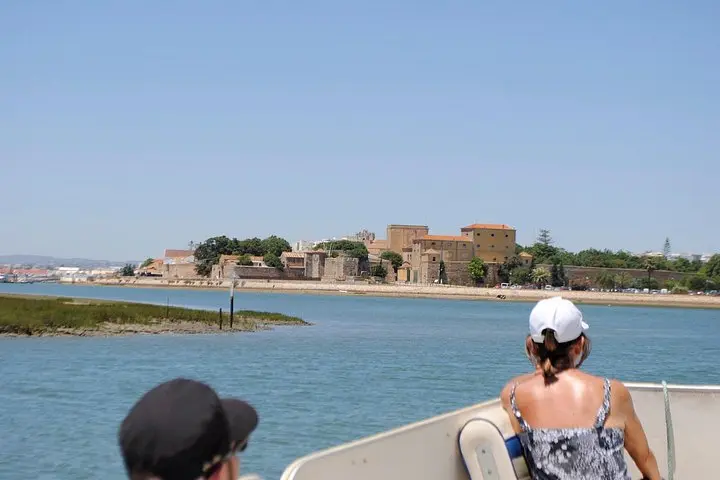
The pontoon eases away from Faro's marina and the salt-flat horizon stretches like an invitation. Wind and tidal channels set the pace; gulls wheel and a guide points where the mudflats darken with foraging waders. In two hours the lagoon reveals itself—shifting sandbars, oyster beds, and the rooflines of Faro slipping astern.
Verified experiences and guided adventures in the surrounding area.
Operated by Formosamar · Faro, Algarve
The pontoon eases away from Faro's marina and the salt-flat horizon stretches like an invitation. Wind and tidal channels set the pace; gulls wheel and a guide points where the mudflats darken with foraging waders. In two hours the lagoon reveals itself—shifting sandbars, oyster beds, and the rooflines of Faro slipping astern.
Ria Formosa is a barrier-lagoon system formed by Holocene sedimentation, its islands and channels shaped by tides and storms. The park, protected since the late 20th century, supports traditional clam and oyster farming and a long local relationship with the sea. On this route you pass aquaculture plots, salt marshes, and small dunes that host breeding little terns and Kentish plovers.
Expect concentrated birdwatching: white storks, little egrets, spoonbills, black-tailed godwits and, in season, greater flamingos. The operator includes binoculars, a bird ID guide and a short beach stop (15–20 minutes) near where the lagoon meets the Atlantic—ideal for shorebird observation and quick shoreline exploration.
Practicalities: meet at the Nautical Club of Faro 10 minutes before departure; life vests are provided and the pontoon is wheelchair friendly. Early morning or late afternoon brings the most active feeding, and light wind layers plus sun protection matter more than hiking boots. If you are prone to seasickness choose a seat near the center and keep hydrated. Guides give live commentary and can point out local aquaculture techniques and nesting areas—ask about disembark options if you want to explore Culatra or return to the old town by foot.
Yes; the meeting point and pontoon are wheelchair accessible and staff can assist with boarding—notify special requirements when booking.
Bird presence varies by season and tides; guides maximize sightings but cannot guarantee specific species because wildlife is free-ranging.
Yes; children are welcome but must be accompanied by an adult; infant seats are available and the tour is suitable for families.
Tours may be canceled for bad weather or insufficient travelers; the operator offers full refunds if canceled 24 hours prior or for safety reasons.
Formosamar operates guided outdoor trips and adventures with an emphasis on safety, stewardship, and memorable experiences.
The pontoon eases away from Faro's marina and the salt-flat horizon stretches like an invitation. Wind and tidal channels set the pace; gulls wheel and a guide points where the mudflats darken with foraging waders. In two hours the lagoon reveals itself—shifting sandbars, oyster beds, and the rooflines of Faro slipping astern.
The pontoon eases away from Faro's marina and the salt-flat horizon stretches like an invitation. Wind and tidal channels set the pace; gulls wheel and a guide points where the mudflats darken with foraging waders. In two hours the lagoon reveals itself—shifting sandbars, oyster beds, and the rooflines of Faro slipping astern.
Ria Formosa is a barrier-lagoon system formed by Holocene sedimentation, its islands and channels shaped by tides and storms. The park, protected since the late 20th century, supports traditional clam and oyster farming and a long local relationship with the sea. On this route you pass aquaculture plots, salt marshes, and small dunes that host breeding little terns and Kentish plovers.
Expect concentrated birdwatching: white storks, little egrets, spoonbills, black-tailed godwits and, in season, greater flamingos. The operator includes binoculars, a bird ID guide and a short beach stop (15–20 minutes) near where the lagoon meets the Atlantic—ideal for shorebird observation and quick shoreline exploration.
Practicalities: meet at the Nautical Club of Faro 10 minutes before departure; life vests are provided and the pontoon is wheelchair friendly. Early morning or late afternoon brings the most active feeding, and light wind layers plus sun protection matter more than hiking boots. If you are prone to seasickness choose a seat near the center and keep hydrated. Guides give live commentary and can point out local aquaculture techniques and nesting areas—ask about disembark options if you want to explore Culatra or return to the old town by foot.