THE ADVENTURE COLLECTIVE® · Independent discovery and booking for outdoor travel

Spend a slow, guided day among the saltpans and hides of Ria Formosa to see flamingos, avocets and other shorebirds up close. This accessible, small-group tour combines private transport, a telescope and local expertise for steady, photo-ready views.
Spend a slow, guided day among the saltpans and hides of Ria Formosa to see flamingos, avocets and other shorebirds up close. This accessible, small-group tour combines private transport, a telescope and local expertise for steady, photo-ready views.
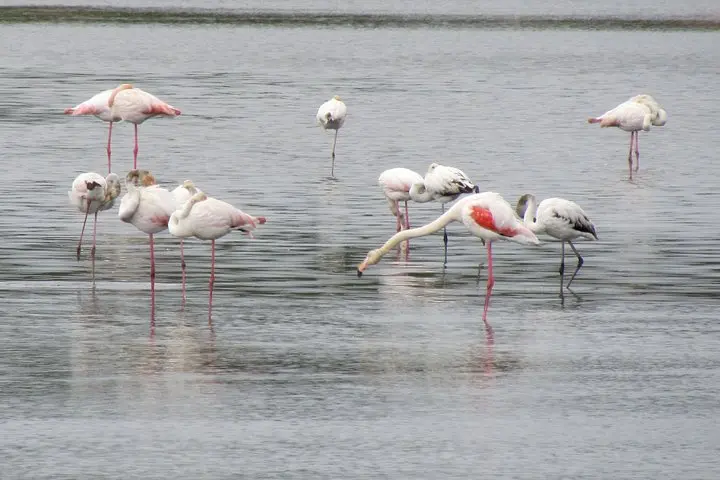
Salt glints off shallow lagoons as a quiet van eases onto the causeway into the Ria Formosa. You step out with an experienced guide who points toward a string of pale birds — flamingos probing like careful sculptors, avocets sweeping the mud with curved bills — while tidal channels push seawater through the marsh like living veins.
Verified experiences and guided adventures in the surrounding area.
Operated by A Rocha Life · Tavira, Faro District
Salt glints off shallow lagoons as a quiet van eases onto the causeway into the Ria Formosa. You step out with an experienced guide who points toward a string of pale birds — flamingos probing like careful sculptors, avocets sweeping the mud with curved bills — while tidal channels push seawater through the marsh like living veins.
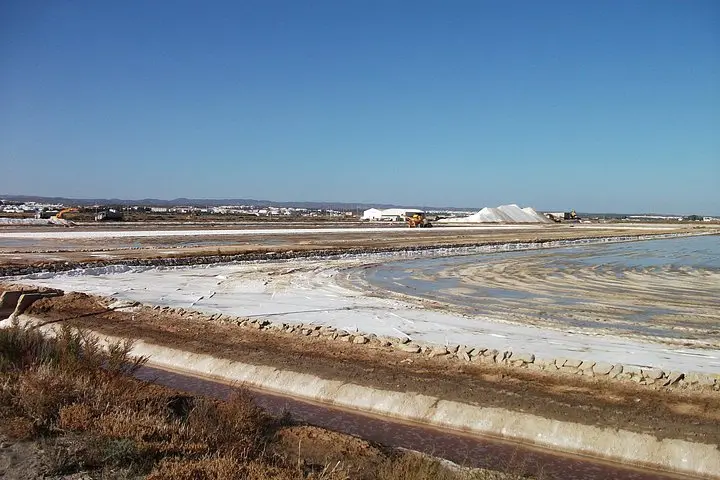
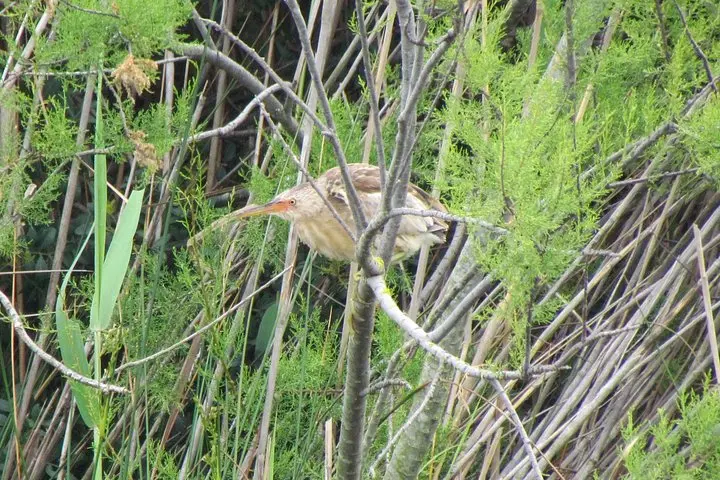
The Ria Formosa is a barrier-lagoon system shaped by wind and tide over millennia. Sandbars, tidal flats and managed saltpans have long supported salt extraction, shellfishing and small fishing communities around Tavira and Santa Luzia. That human history and the shifting geometry of the lagoons create a mosaic of shallow feeding grounds and hidden hides where migratory birds pause between Africa and northern Europe.
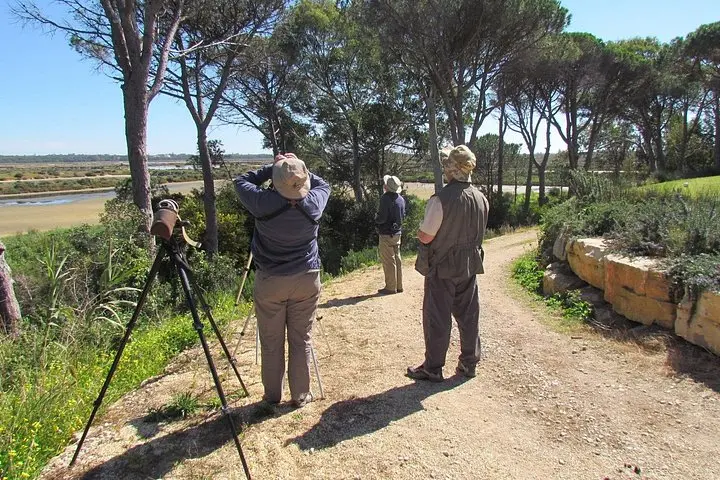
This full-day tour visits the Ludo saltpans and a lagoon observation hide, then walks the Santa Luzia pans near Tavira. Guided, small-group pacing means long looks through a supplied telescope and opportunities for close photography; private transport links the sites across largely flat terrain. The outing is designed for a relaxed observational rhythm over 7–8 hours, with plenty of standing, short boardwalk strolls and gentle transfers.
Practical guidance: mornings hold the best light and most bird activity; wear layers because sea breezes can cool afternoons. Bring binoculars, a sun hat, low-noise footwear for muddy boardwalks and a field guide or app. The reserve is protected—stay on paths, keep voices down and follow your guide so feeding flocks aren’t disturbed. With simple gear and patience, the Ria Formosa rewards steady observation with unforgettable wetland encounters.
The tour runs about 7–8 hours at a slow observational pace with private transport between sites, short walks and time at hides.
Yes—the itinerary notes wheelchair-accessible routes and hides, though some mudflat edges may remain uneven; notify operators of mobility needs when booking.
Private transport, a guide, telescope access and bottled water are included; check the operator for exact pickup details and any extra fees.
Early morning through mid-morning is best for flamingo feeding and peak migrant activity; spring and autumn offer the widest species variety.
A Rocha Life operates guided outdoor trips and adventures with an emphasis on safety, stewardship, and memorable experiences.
Salt glints off shallow lagoons as a quiet van eases onto the causeway into the Ria Formosa. You step out with an experienced guide who points toward a string of pale birds — flamingos probing like careful sculptors, avocets sweeping the mud with curved bills — while tidal channels push seawater through the marsh like living veins.
Salt glints off shallow lagoons as a quiet van eases onto the causeway into the Ria Formosa. You step out with an experienced guide who points toward a string of pale birds — flamingos probing like careful sculptors, avocets sweeping the mud with curved bills — while tidal channels push seawater through the marsh like living veins.
The Ria Formosa is a barrier-lagoon system shaped by wind and tide over millennia. Sandbars, tidal flats and managed saltpans have long supported salt extraction, shellfishing and small fishing communities around Tavira and Santa Luzia. That human history and the shifting geometry of the lagoons create a mosaic of shallow feeding grounds and hidden hides where migratory birds pause between Africa and northern Europe.
This full-day tour visits the Ludo saltpans and a lagoon observation hide, then walks the Santa Luzia pans near Tavira. Guided, small-group pacing means long looks through a supplied telescope and opportunities for close photography; private transport links the sites across largely flat terrain. The outing is designed for a relaxed observational rhythm over 7–8 hours, with plenty of standing, short boardwalk strolls and gentle transfers.
Practical guidance: mornings hold the best light and most bird activity; wear layers because sea breezes can cool afternoons. Bring binoculars, a sun hat, low-noise footwear for muddy boardwalks and a field guide or app. The reserve is protected—stay on paths, keep voices down and follow your guide so feeding flocks aren’t disturbed. With simple gear and patience, the Ria Formosa rewards steady observation with unforgettable wetland encounters.