THE ADVENTURE COLLECTIVE® · Independent discovery and booking for outdoor travel

Spend eight days exploring the Ria Formosa’s saltpans, lagoons and pine fringes from Tavira. This self-guided car tour pairs quiet observation points and hides with easy walks to find flamingos, waders and secretive bitterns.
Spend eight days exploring the Ria Formosa’s saltpans, lagoons and pine fringes from Tavira. This self-guided car tour pairs quiet observation points and hides with easy walks to find flamingos, waders and secretive bitterns.
A salt-flat wind lifts off the lagoon at dawn and the silhouette of a flamingo becomes a delicate punctuation against pale sky. The Ria Formosa unfolds across low dunes, saltpans and pine copses—an ever-shifting mosaic that rewards patience and a good pair of binoculars.
Verified experiences and guided adventures in the surrounding area.
Operated by BeCool Travel · Tavira, Algarve
A salt-flat wind lifts off the lagoon at dawn and the silhouette of a flamingo becomes a delicate punctuation against pale sky. The Ria Formosa unfolds across low dunes, saltpans and pine copses—an ever-shifting mosaic that rewards patience and a good pair of binoculars.
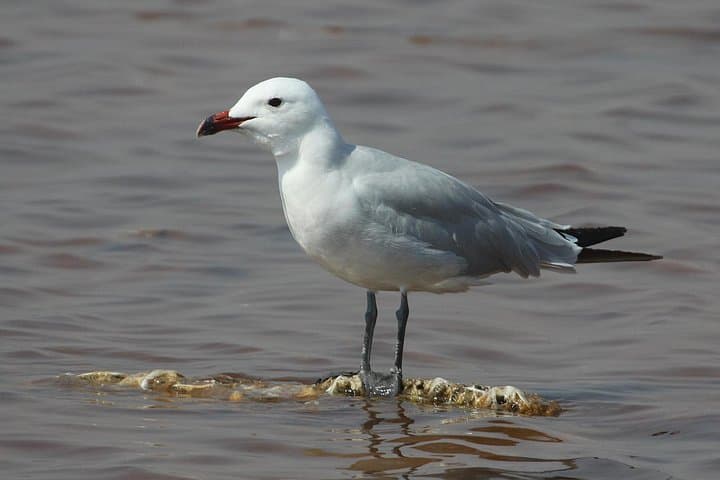
This self-guided, car-based itinerary centers on Tavira and its surrounding wetlands. Geologically the Ria Formosa is a dynamic coastal barrier system formed by sand deposition and tidal flows; its chain of barrier islands and tidal channels create lagoons, mudflats and saltpans that feed shorebirds and migratory species. Culturally the Algarve around Tavira carries fishing and salt-harvesting traditions—many salinas still produce artisanal salt and support roosting gulls and flamingos.
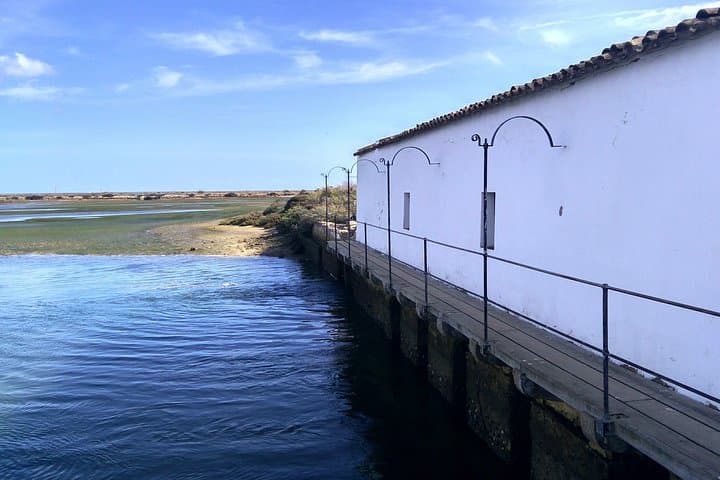
Expect low, flat terrain with short signposted walks, occasional sandy tracks and boardwalks at observation points; elevation gain is minimal, but some routes include soft sand and muddy edges near lagoons. The itinerary visits key birding hotspots: Tavira salinas, Quinta de Marim, Castro Marim marshes and Quinta do Lago, each offering hides or towers for discreet observation.
Practical guidance: drive between sites (compact car recommended), time visits for high tide at salinas and early morning or late afternoon for active birds, carry binoculars and a spotting scope if you have one, and use layered clothing against coastal breezes. Respect restricted areas and saltworks, keep distance from roosts, and bring reusable water and sun protection. With simple planning this tour balances relaxed hotel nights with focused field time for serious birdwatching.
No—this self-guided tour provides maps and descriptions; a local guide can enhance ID and transport but is not required for good sightings.
Sites are typically 15–60 minutes’ drive from Tavira; a compact rental car is included in the package and is convenient for site-hopping.
Most hides and signposted paths are accessible year-round, but some saltpan access may be restricted during maintenance—follow on-site signs.
Yes—walking is light and hotel accommodation is comfortable, but mobility considerations apply for sandy or uneven observation areas.
BeCool Travel operates guided outdoor trips and adventures with an emphasis on safety, stewardship, and memorable experiences.

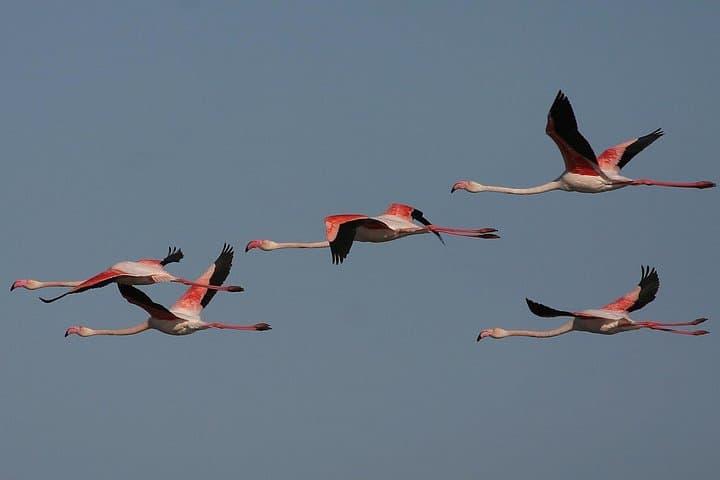
A salt-flat wind lifts off the lagoon at dawn and the silhouette of a flamingo becomes a delicate punctuation against pale sky. The Ria Formosa unfolds across low dunes, saltpans and pine copses—an ever-shifting mosaic that rewards patience and a good pair of binoculars.
A salt-flat wind lifts off the lagoon at dawn and the silhouette of a flamingo becomes a delicate punctuation against pale sky. The Ria Formosa unfolds across low dunes, saltpans and pine copses—an ever-shifting mosaic that rewards patience and a good pair of binoculars.
This self-guided, car-based itinerary centers on Tavira and its surrounding wetlands. Geologically the Ria Formosa is a dynamic coastal barrier system formed by sand deposition and tidal flows; its chain of barrier islands and tidal channels create lagoons, mudflats and saltpans that feed shorebirds and migratory species. Culturally the Algarve around Tavira carries fishing and salt-harvesting traditions—many salinas still produce artisanal salt and support roosting gulls and flamingos.
Expect low, flat terrain with short signposted walks, occasional sandy tracks and boardwalks at observation points; elevation gain is minimal, but some routes include soft sand and muddy edges near lagoons. The itinerary visits key birding hotspots: Tavira salinas, Quinta de Marim, Castro Marim marshes and Quinta do Lago, each offering hides or towers for discreet observation.
Practical guidance: drive between sites (compact car recommended), time visits for high tide at salinas and early morning or late afternoon for active birds, carry binoculars and a spotting scope if you have one, and use layered clothing against coastal breezes. Respect restricted areas and saltworks, keep distance from roosts, and bring reusable water and sun protection. With simple planning this tour balances relaxed hotel nights with focused field time for serious birdwatching.