THE ADVENTURE COLLECTIVE® · Independent discovery and booking for outdoor travel

A comfortable catamaran tour from Faro that visits Deserta, Farol and Culatra with snorkeling, a village walk and oyster-culture viewing. Morning tours offer a longer lunch stop on Culatra; masks for snorkeling are provided.
A comfortable catamaran tour from Faro that visits Deserta, Farol and Culatra with snorkeling, a village walk and oyster-culture viewing. Morning tours offer a longer lunch stop on Culatra; masks for snorkeling are provided.
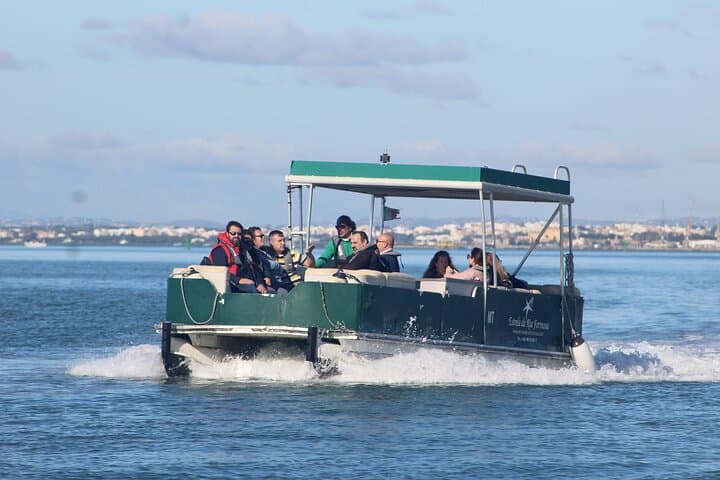
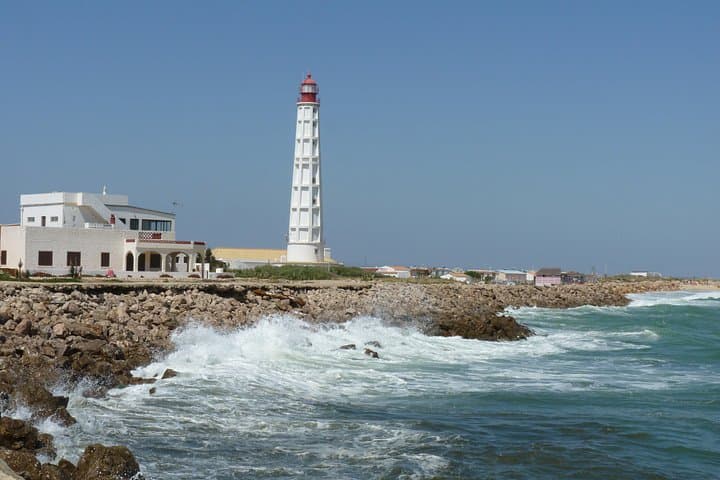
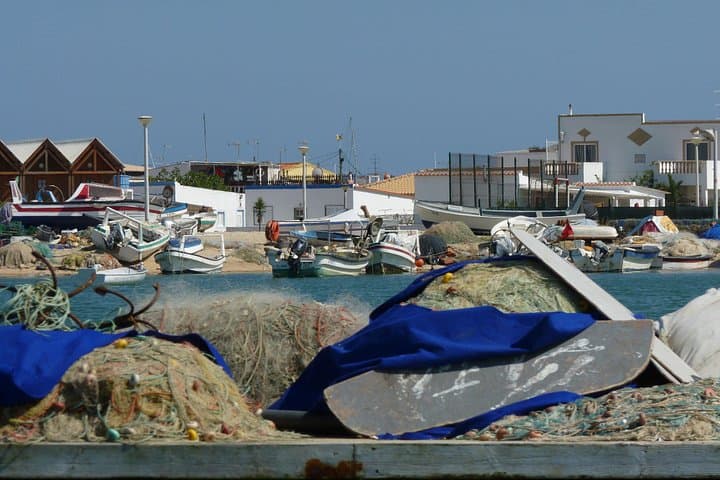
The catamaran slips free of Faro's quay and the lagoon breathes salt into the air — reeds and shallow channels sliding past like pages in a map. Onboard, the skipper trims sail and the green-shirted guide outlines four stops that will change with the tide: Deserta's open sand, Farol's lighthouse point, Culatra's fishing lanes and a quick look at oyster beds where culture meets craft.
Verified experiences and guided adventures in the surrounding area.
Operated by Estrela da Ria Formosa de Cristela Martins · Faro, Algarve
The catamaran slips free of Faro's quay and the lagoon breathes salt into the air — reeds and shallow channels sliding past like pages in a map. Onboard, the skipper trims sail and the green-shirted guide outlines four stops that will change with the tide: Deserta's open sand, Farol's lighthouse point, Culatra's fishing lanes and a quick look at oyster beds where culture meets craft.
This lagoon system formed over millennia as rivers and Atlantic currents deposited sandbars and built barrier islands; human history follows in the form of small fishing communities, salt pans and maritime routes that anchored Faro to the coast. Birdlife defines the park — spoonbills and ospreys patrol the shallows — and the islands' low dunes and salt marshes are fragile habitats protected under Ria Formosa Natural Park regulations.
Practically, expect 4–5 hours depending on morning or afternoon departures. Morning tours include a longer Culatra stop for lunch (not included) while afternoons are shorter, focusing on village walks and oyster observation from the boat. Snorkel masks are provided; bring a swimsuit, towel and reef-safe sunscreen. Footing on islands is sand and packed village lanes — light water shoes work best. Seas and tides reframe each stop, so motion sensitivity and sun exposure are the two practical concerns to plan for.
Listen to the guide about anchoring zones and bird colonies, take only photos and leave only footprints: the park thrives when visitors respect its patterns.
Yes — the tour supplies snorkeling masks; bring your own if you prefer a specific fit.
No — morning tours stop longer on Culatra so you can buy lunch at a local restaurant or bring a picnic; afternoon tours have a shorter stop.
Tours are limited to a maximum of 12 people per booking for a small-group experience.
Children can join but must be accompanied by an adult; the tour is not recommended for those with significant mobility restrictions due to boarding and island footing.
Estrela da Ria Formosa de Cristela Martins operates guided outdoor trips and adventures with an emphasis on safety, stewardship, and memorable experiences.

The catamaran slips free of Faro's quay and the lagoon breathes salt into the air — reeds and shallow channels sliding past like pages in a map. Onboard, the skipper trims sail and the green-shirted guide outlines four stops that will change with the tide: Deserta's open sand, Farol's lighthouse point, Culatra's fishing lanes and a quick look at oyster beds where culture meets craft.
The catamaran slips free of Faro's quay and the lagoon breathes salt into the air — reeds and shallow channels sliding past like pages in a map. Onboard, the skipper trims sail and the green-shirted guide outlines four stops that will change with the tide: Deserta's open sand, Farol's lighthouse point, Culatra's fishing lanes and a quick look at oyster beds where culture meets craft.
This lagoon system formed over millennia as rivers and Atlantic currents deposited sandbars and built barrier islands; human history follows in the form of small fishing communities, salt pans and maritime routes that anchored Faro to the coast. Birdlife defines the park — spoonbills and ospreys patrol the shallows — and the islands' low dunes and salt marshes are fragile habitats protected under Ria Formosa Natural Park regulations.
Practically, expect 4–5 hours depending on morning or afternoon departures. Morning tours include a longer Culatra stop for lunch (not included) while afternoons are shorter, focusing on village walks and oyster observation from the boat. Snorkel masks are provided; bring a swimsuit, towel and reef-safe sunscreen. Footing on islands is sand and packed village lanes — light water shoes work best. Seas and tides reframe each stop, so motion sensitivity and sun exposure are the two practical concerns to plan for.
Listen to the guide about anchoring zones and bird colonies, take only photos and leave only footprints: the park thrives when visitors respect its patterns.