THE ADVENTURE COLLECTIVE® · Independent discovery and booking for outdoor travel

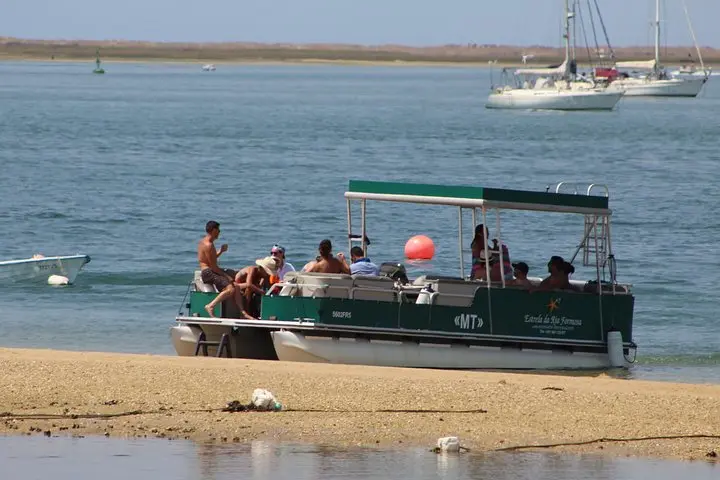
Glide through Ria Formosa on a three-hour catamaran trip that stops at Deserta and Farol Islands for swimming, snorkeling and a lighthouse walk. Small groups, masks and life jackets provided—ideal for a relaxed coastal day trip from Faro.
Glide through Ria Formosa on a three-hour catamaran trip that stops at Deserta and Farol Islands for swimming, snorkeling and a lighthouse walk. Small groups, masks and life jackets provided—ideal for a relaxed coastal day trip from Faro.
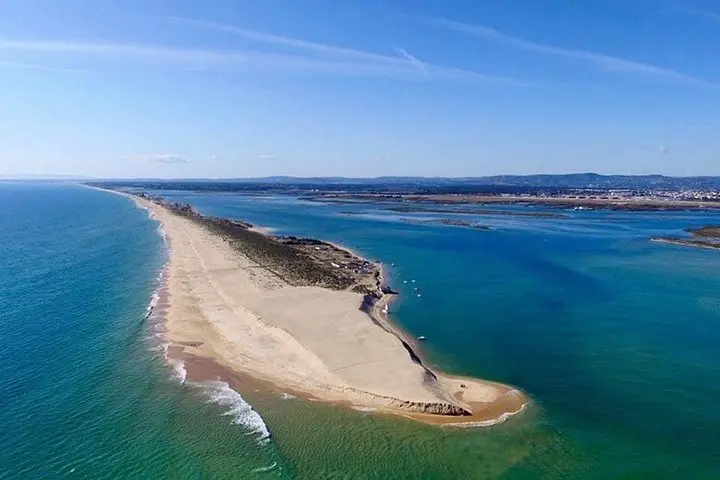
The catamaran slips from Faro's quay and the salt-scented wind immediately takes charge, pushing the hull through the mosaic of channels that make up Ria Formosa Natural Park. Water levels shift like a slow-breathing creature; mudflats flash with wading birds and the islands ahead stand as low, sandy ridges where the ocean insists on meeting lagoon.
Verified experiences and guided adventures in the surrounding area.
Operated by Estrela da Ria Formosa de Cristela Martins · Faro, Algarve
The catamaran slips from Faro's quay and the salt-scented wind immediately takes charge, pushing the hull through the mosaic of channels that make up Ria Formosa Natural Park. Water levels shift like a slow-breathing creature; mudflats flash with wading birds and the islands ahead stand as low, sandy ridges where the ocean insists on meeting lagoon.
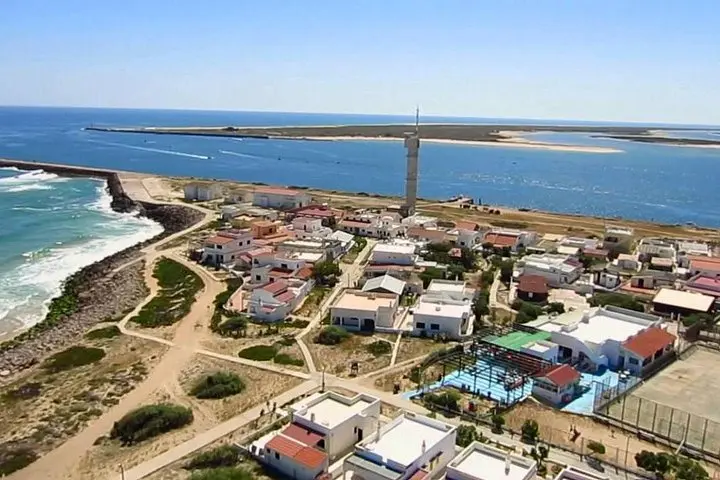
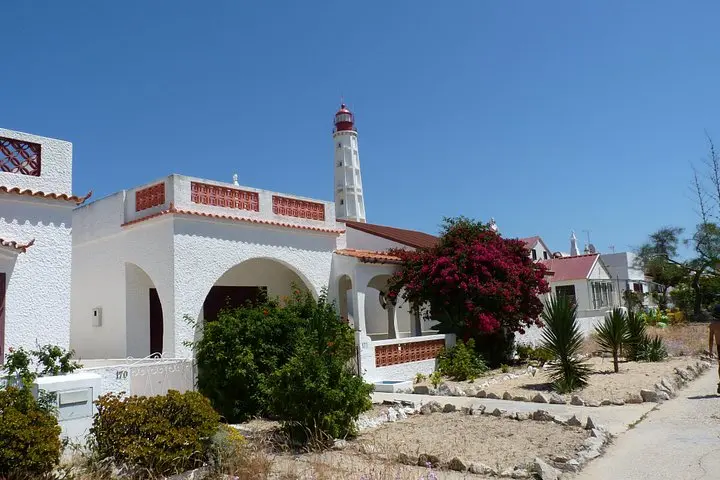
This coastal system formed over millennia as barrier islands and tidal channels rearranged with changing sea levels. Human history here ranges from small-scale shellfishing and salt pans to the lighthouse at Ilha do Farol—an 19th-century marker where Ria Formosa hands the Atlantic back to the mainland. Cultural rhythms are simple: fishers timing tides, families on seasonal swims, and migratory birds stopping en route to northern Europe or Africa.
Expect two short stops: Deserta Island for wading, swimming and snorkeling with provided masks and life jackets, then Farol Island for a stroll by the lighthouse and a view where the lagoon's green water meets Atlantic blue. Wildlife will often include herons, oystercatchers and shellfish beds exposed at low tide; currents and wind can change the feel of the ride, so the skipper adapts the route accordingly.
Practical guidance: arrive 15 minutes early at Rua da Porta Nova, bring reef-friendly sunscreen, a hat, towel and shoes suitable for sand. The trip runs about three hours, is suitable for most fitness levels, and is limited to small groups—book in advance, and be ready to shift plans if the sea calls for it.
Masks are provided free for snorkeling stops, but you may bring your own snorkel and fins for a better fit.
Yes—infants and small children can ride in strollers and life jackets are available, but children must be supervised by an adult.
Tours may be canceled or rescheduled for safety; full refunds are available if canceled at least 24 hours before departure.
The tour is not recommended for those with significant mobility issues due to boarding and island terrain.
Estrela da Ria Formosa de Cristela Martins operates guided outdoor trips and adventures with an emphasis on safety, stewardship, and memorable experiences.
The catamaran slips from Faro's quay and the salt-scented wind immediately takes charge, pushing the hull through the mosaic of channels that make up Ria Formosa Natural Park. Water levels shift like a slow-breathing creature; mudflats flash with wading birds and the islands ahead stand as low, sandy ridges where the ocean insists on meeting lagoon.
The catamaran slips from Faro's quay and the salt-scented wind immediately takes charge, pushing the hull through the mosaic of channels that make up Ria Formosa Natural Park. Water levels shift like a slow-breathing creature; mudflats flash with wading birds and the islands ahead stand as low, sandy ridges where the ocean insists on meeting lagoon.
This coastal system formed over millennia as barrier islands and tidal channels rearranged with changing sea levels. Human history here ranges from small-scale shellfishing and salt pans to the lighthouse at Ilha do Farol—an 19th-century marker where Ria Formosa hands the Atlantic back to the mainland. Cultural rhythms are simple: fishers timing tides, families on seasonal swims, and migratory birds stopping en route to northern Europe or Africa.
Expect two short stops: Deserta Island for wading, swimming and snorkeling with provided masks and life jackets, then Farol Island for a stroll by the lighthouse and a view where the lagoon's green water meets Atlantic blue. Wildlife will often include herons, oystercatchers and shellfish beds exposed at low tide; currents and wind can change the feel of the ride, so the skipper adapts the route accordingly.
Practical guidance: arrive 15 minutes early at Rua da Porta Nova, bring reef-friendly sunscreen, a hat, towel and shoes suitable for sand. The trip runs about three hours, is suitable for most fitness levels, and is limited to small groups—book in advance, and be ready to shift plans if the sea calls for it.