THE ADVENTURE COLLECTIVE® · Independent discovery and booking for outdoor travel

Board a closed‑SUV shore excursion from Richards Bay for an 8–10 hour search through Hluhluwe‑iMfolozi, where white rhinos were saved from extinction and wild dogs still roam. Expect varied terrain, informed guiding, and an immersive day of wildlife viewing.
Board a closed‑SUV shore excursion from Richards Bay for an 8–10 hour search through Hluhluwe‑iMfolozi, where white rhinos were saved from extinction and wild dogs still roam. Expect varied terrain, informed guiding, and an immersive day of wildlife viewing.
You step from the ship into warm KwaZulu‑Natal air and the SUV’s engine settles into a low rumble—the bush answers with a distant birdcall and the soft rustle of grass. The drive into Hluhluwe‑iMfolozi Park moves from plantation edge to open veldt, and suddenly the land stretches wide: grass ridges, seasonal pans, and koppies that throw long shadows in the late afternoon.
Verified experiences and guided adventures in the surrounding area.
Operated by The Little Bush Baby Company · Hluhluwe, KwaZulu-Natal
You step from the ship into warm KwaZulu‑Natal air and the SUV’s engine settles into a low rumble—the bush answers with a distant birdcall and the soft rustle of grass. The drive into Hluhluwe‑iMfolozi Park moves from plantation edge to open veldt, and suddenly the land stretches wide: grass ridges, seasonal pans, and koppies that throw long shadows in the late afternoon.
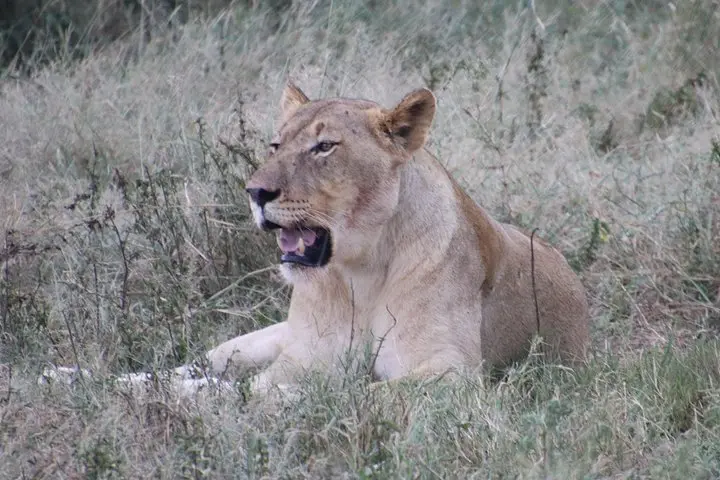
Hluhluwe‑iMfolozi is South Africa’s oldest proclaimed park and the place where 20th‑century conservationists pulled white rhinos back from the brink. The geology here—ancient sedimentary ridges cut by shallow rivers—creates a mosaic of woodland and grassland that feeds a dense prey base and, in turn, supports lions, buffalo, elephants and the rare wild dog.
Culture along the park’s margins is Zulu‑tinged: cattle kraals, roadside traders, and knowledge passed down about animal behavior and veldt seasons. Your guide will translate that local literacy into practical tracking, explaining spoor, preferred waterholes and recent sightings as you search in a closed SUV with small groups (max seven).
Practical guidance: expect an 8–10 hour day with multiple stops for sightings and a picnic lunch; bottled water and snacks are provided, but bring your own refillable bottle too. Wear sturdy shoes and sun protection; mornings are cool and afternoons hot—layers help. Binoculars and a camera with a mid‑range zoom make sightings richer, and be prepared for rough gravel roads and bumpy viewing. Sightings are of wild animals and can’t be guaranteed, but the rhythm of the safari—spot, wait, learn—delivers more than snapshots: it gives context, history and the slow reward of being in the bush.
No—this is a drive through habitat of wild animals; guides maximize chances using local knowledge but sightings cannot be guaranteed.
The excursion includes guided game drive in a closed SUV, breakfast snacks, bottled water, a picnic lunch and expert guiding; park admission is included.
Typical duration is 8–10 hours (480–600 minutes) depending on recent sightings and which side of the park is visited.
Pickup and drop‑off from the port or nearby Richards Bay is arranged—provide your ship and arrival details when booking.
The Little Bush Baby Company operates guided outdoor trips and adventures with an emphasis on safety, stewardship, and memorable experiences.
You step from the ship into warm KwaZulu‑Natal air and the SUV’s engine settles into a low rumble—the bush answers with a distant birdcall and the soft rustle of grass. The drive into Hluhluwe‑iMfolozi Park moves from plantation edge to open veldt, and suddenly the land stretches wide: grass ridges, seasonal pans, and koppies that throw long shadows in the late afternoon.
You step from the ship into warm KwaZulu‑Natal air and the SUV’s engine settles into a low rumble—the bush answers with a distant birdcall and the soft rustle of grass. The drive into Hluhluwe‑iMfolozi Park moves from plantation edge to open veldt, and suddenly the land stretches wide: grass ridges, seasonal pans, and koppies that throw long shadows in the late afternoon.
Hluhluwe‑iMfolozi is South Africa’s oldest proclaimed park and the place where 20th‑century conservationists pulled white rhinos back from the brink. The geology here—ancient sedimentary ridges cut by shallow rivers—creates a mosaic of woodland and grassland that feeds a dense prey base and, in turn, supports lions, buffalo, elephants and the rare wild dog.
Culture along the park’s margins is Zulu‑tinged: cattle kraals, roadside traders, and knowledge passed down about animal behavior and veldt seasons. Your guide will translate that local literacy into practical tracking, explaining spoor, preferred waterholes and recent sightings as you search in a closed SUV with small groups (max seven).
Practical guidance: expect an 8–10 hour day with multiple stops for sightings and a picnic lunch; bottled water and snacks are provided, but bring your own refillable bottle too. Wear sturdy shoes and sun protection; mornings are cool and afternoons hot—layers help. Binoculars and a camera with a mid‑range zoom make sightings richer, and be prepared for rough gravel roads and bumpy viewing. Sightings are of wild animals and can’t be guaranteed, but the rhythm of the safari—spot, wait, learn—delivers more than snapshots: it gives context, history and the slow reward of being in the bush.