THE ADVENTURE COLLECTIVE® · Independent discovery and booking for outdoor travel

Spend an easy afternoon from Hobart visiting colonial Richmond and Bonorong Wildlife Park for close-up encounters with Tasmanian devils, kangaroos, and koalas. This guided tour blends local history with hands-on wildlife viewing and guided commentary.
Spend an easy afternoon from Hobart visiting colonial Richmond and Bonorong Wildlife Park for close-up encounters with Tasmanian devils, kangaroos, and koalas. This guided tour blends local history with hands-on wildlife viewing and guided commentary.
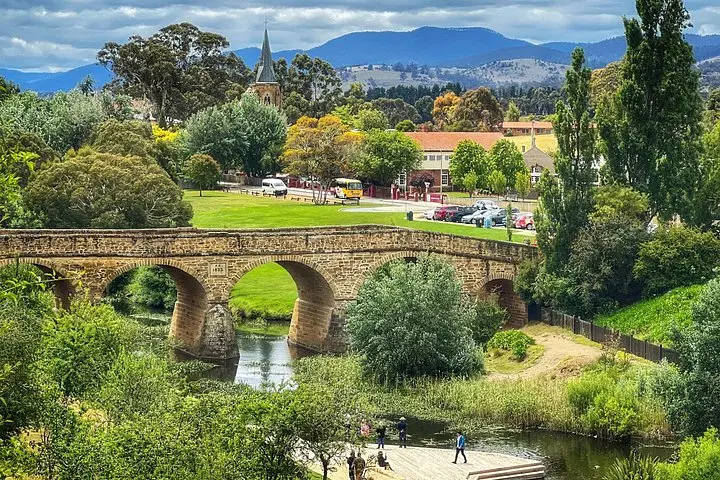
A warm sea breeze off Hobart stills as the coach pulls away from Brooke Street Pier, and within an hour the green hills open like pages of an old atlas. You arrive in Richmond — a compact village where convict-built stone bridges and the oldest Catholic church in Australia stand in low-slung silhouette — then continue into paddocks where wallabies graze and the scrub leans toward the sky.
Verified experiences and guided adventures in the surrounding area.
Operated by Experience Tasmania Gray Line Day Tours · Hobart, Tasmania
A warm sea breeze off Hobart stills as the coach pulls away from Brooke Street Pier, and within an hour the green hills open like pages of an old atlas. You arrive in Richmond — a compact village where convict-built stone bridges and the oldest Catholic church in Australia stand in low-slung silhouette — then continue into paddocks where wallabies graze and the scrub leans toward the sky.
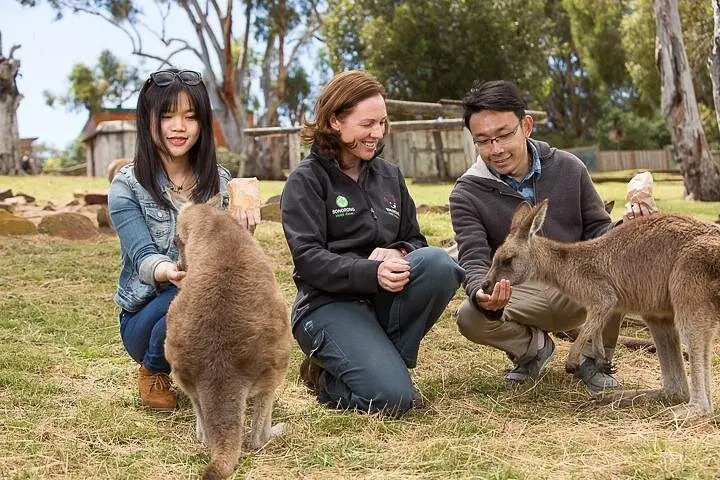
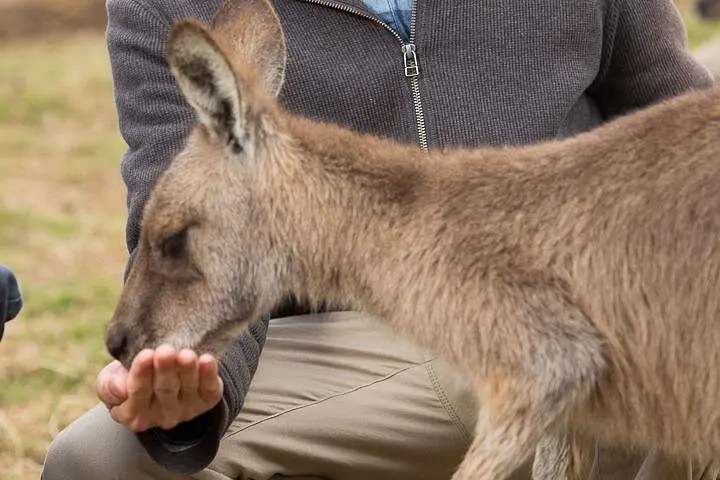
Richmond’s Georgian streetscape dates to early 19th-century colonial settlement; the sandstone bridge (1823) and the gaol tell a direct story of Tasmania’s convict past. The landscape here is part sedimentary foothills and part reclaimed farmland, with soils that hold a quiet fertility and an honest rural smell after rain. At Bonorong Wildlife Park, enclosures and open yards place native species center stage: Tasmanian devils pace, kangaroos accept feed pellets, and sleepy koalas rest in eucalyptus crowns that scent the air.
The tour balances cultural history with hands-on wildlife viewing. Guides explain Bonorong’s rescue and rehabilitation work while pointing out signs of local ecology — gullies where frogs breed and wind-sculpted gums. Expect close encounters but follow staff instructions: feeding is controlled and koala interactions regulated.
Practical guidance: the afternoon format runs about 4–4.5 hours with hotel pickup from central Hobart; wear closed-toe shoes for uneven paths, pack a refillable water bottle and sun protection, and bring a camera with a mid-zoom lens for animal shots. Timing your visit in late afternoon increases animal activity; keep a respectful distance when animals are feeding and leave no trace in picnic areas.
Selected Hobart hotels are included; check your confirmation for the pickup list and exact pickup times or meet at Brooke Street Pier Day Tours desk if not listed.
Hold/koala interactions depend on park rules and animal welfare on the day; staff manage these encounters and will advise if handling is permitted.
Yes—this tour is family-friendly; infants may sit in laps and specialized infant seats are available—confirm when booking.
Some areas are accessible and the operator notes stroller and limited accessibility, but contact the operator ahead to confirm specific needs and vehicle access.
Experience Tasmania Gray Line Day Tours operates guided outdoor trips and adventures with an emphasis on safety, stewardship, and memorable experiences.
A warm sea breeze off Hobart stills as the coach pulls away from Brooke Street Pier, and within an hour the green hills open like pages of an old atlas. You arrive in Richmond — a compact village where convict-built stone bridges and the oldest Catholic church in Australia stand in low-slung silhouette — then continue into paddocks where wallabies graze and the scrub leans toward the sky.
A warm sea breeze off Hobart stills as the coach pulls away from Brooke Street Pier, and within an hour the green hills open like pages of an old atlas. You arrive in Richmond — a compact village where convict-built stone bridges and the oldest Catholic church in Australia stand in low-slung silhouette — then continue into paddocks where wallabies graze and the scrub leans toward the sky.
Richmond’s Georgian streetscape dates to early 19th-century colonial settlement; the sandstone bridge (1823) and the gaol tell a direct story of Tasmania’s convict past. The landscape here is part sedimentary foothills and part reclaimed farmland, with soils that hold a quiet fertility and an honest rural smell after rain. At Bonorong Wildlife Park, enclosures and open yards place native species center stage: Tasmanian devils pace, kangaroos accept feed pellets, and sleepy koalas rest in eucalyptus crowns that scent the air.
The tour balances cultural history with hands-on wildlife viewing. Guides explain Bonorong’s rescue and rehabilitation work while pointing out signs of local ecology — gullies where frogs breed and wind-sculpted gums. Expect close encounters but follow staff instructions: feeding is controlled and koala interactions regulated.
Practical guidance: the afternoon format runs about 4–4.5 hours with hotel pickup from central Hobart; wear closed-toe shoes for uneven paths, pack a refillable water bottle and sun protection, and bring a camera with a mid-zoom lens for animal shots. Timing your visit in late afternoon increases animal activity; keep a respectful distance when animals are feeding and leave no trace in picnic areas.