THE ADVENTURE COLLECTIVE® · Independent discovery and booking for outdoor travel

Walk a shaded limestone gorge to an 18m plunge pool, explore the ancient site of Azoria, and taste family-pressed olive oil on Crete’s north coast. This full-day route mixes easy coastal driving with a moderate hike and a refreshing swim.
Walk a shaded limestone gorge to an 18m plunge pool, explore the ancient site of Azoria, and taste family-pressed olive oil on Crete’s north coast. This full-day route mixes easy coastal driving with a moderate hike and a refreshing swim.
A narrow trail opens between craggy limestone walls and the air cools: the gorge exhales, and the sound of falling water pulls you down a shaded path. Richtis Waterfall drops roughly 18 meters into a clear plunge pool, a sudden slice of alpine freshness on Crete’s eastern coast. The route follows the coast before slipping inland through olive groves and a lush, almost jungle-like ravine where wild herbs scent the breeze.
Verified experiences and guided adventures in the surrounding area.
Operated by Adventure Crete · Agios Nikolaos, Crete
A narrow trail opens between craggy limestone walls and the air cools: the gorge exhales, and the sound of falling water pulls you down a shaded path. Richtis Waterfall drops roughly 18 meters into a clear plunge pool, a sudden slice of alpine freshness on Crete’s eastern coast. The route follows the coast before slipping inland through olive groves and a lush, almost jungle-like ravine where wild herbs scent the breeze.
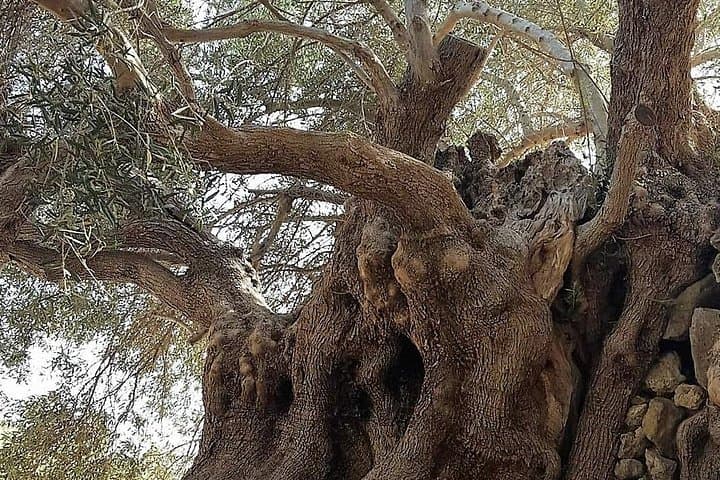
This landscape is shaped by Pleistocene limestone and intermittent streams that carved the gorge over millennia. Nearby Azoria is an open-air archaeological site with excavated Archaic-period remains—stone foundations and pottery fragments that hint at long-settled agricultural communities. Local culture revolves around olive cultivation; visits often include a family-run oil press and tasting that demonstrates a millennia-old connection between land and table.
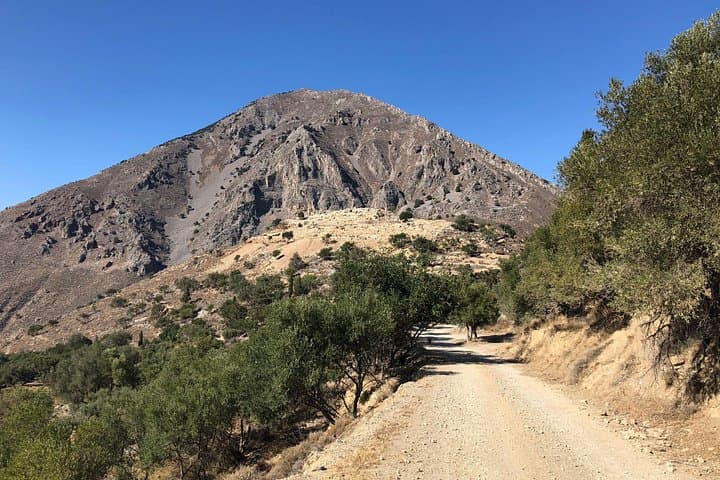
Expect varied terrain: coastal road, dirt tracks, shady stone steps and a slippery, rocky approach to the pool. Wildlife is discreet—songbirds, lizards and occasional traces of Cretan wild goat—while seasonal springs keep the pool drinkably clear but cold.
Practical guidance: wear grippy, closed-toe shoes, bring swimwear and a towel, and carry a refillable water bottle—the tour provides bottled water and a tavern lunch at the water’s edge. Time your visit for morning or late afternoon in high summer to avoid heat on the open coastal sections. Respect archaeological zones, follow your guide across uneven sections, and be ready for a restorative dip in cool spring water at the heart of the gorge.
The walking sections total roughly 1–2 hours depending on pace; the full tour runs about 6–7 hours including transfers, lunch, and stops.
Yes—there’s a small plunge pool under the 18m drop; water is cold and clear, so bring swimwear and a towel.
The route is marketed as suitable for a range of fitness levels, but uneven steps and slippery rocks mean children should be supervised and those with mobility limits may find parts challenging.
Typical inclusions are bottled water, a tavern lunch, olive oil tasting, and air-conditioned vehicle transport; check booking details for pickup options.
Adventure Crete operates guided outdoor trips and adventures with an emphasis on safety, stewardship, and memorable experiences.
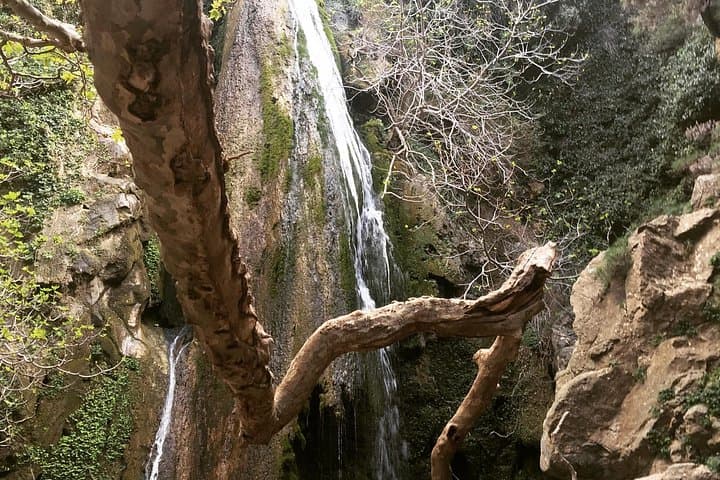
A narrow trail opens between craggy limestone walls and the air cools: the gorge exhales, and the sound of falling water pulls you down a shaded path. Richtis Waterfall drops roughly 18 meters into a clear plunge pool, a sudden slice of alpine freshness on Crete’s eastern coast. The route follows the coast before slipping inland through olive groves and a lush, almost jungle-like ravine where wild herbs scent the breeze.
A narrow trail opens between craggy limestone walls and the air cools: the gorge exhales, and the sound of falling water pulls you down a shaded path. Richtis Waterfall drops roughly 18 meters into a clear plunge pool, a sudden slice of alpine freshness on Crete’s eastern coast. The route follows the coast before slipping inland through olive groves and a lush, almost jungle-like ravine where wild herbs scent the breeze.
This landscape is shaped by Pleistocene limestone and intermittent streams that carved the gorge over millennia. Nearby Azoria is an open-air archaeological site with excavated Archaic-period remains—stone foundations and pottery fragments that hint at long-settled agricultural communities. Local culture revolves around olive cultivation; visits often include a family-run oil press and tasting that demonstrates a millennia-old connection between land and table.
Expect varied terrain: coastal road, dirt tracks, shady stone steps and a slippery, rocky approach to the pool. Wildlife is discreet—songbirds, lizards and occasional traces of Cretan wild goat—while seasonal springs keep the pool drinkably clear but cold.
Practical guidance: wear grippy, closed-toe shoes, bring swimwear and a towel, and carry a refillable water bottle—the tour provides bottled water and a tavern lunch at the water’s edge. Time your visit for morning or late afternoon in high summer to avoid heat on the open coastal sections. Respect archaeological zones, follow your guide across uneven sections, and be ready for a restorative dip in cool spring water at the heart of the gorge.