THE ADVENTURE COLLECTIVE® · Independent discovery and booking for outdoor travel

Ride a rickshaw through Thamel, Asan, Jyatha and Chhetrapati while sampling Nepali street foods, tea and local market finds. This 3‑hour tour combines food tasting with cultural insight and hands‑on market time.
Ride a rickshaw through Thamel, Asan, Jyatha and Chhetrapati while sampling Nepali street foods, tea and local market finds. This 3‑hour tour combines food tasting with cultural insight and hands‑on market time.
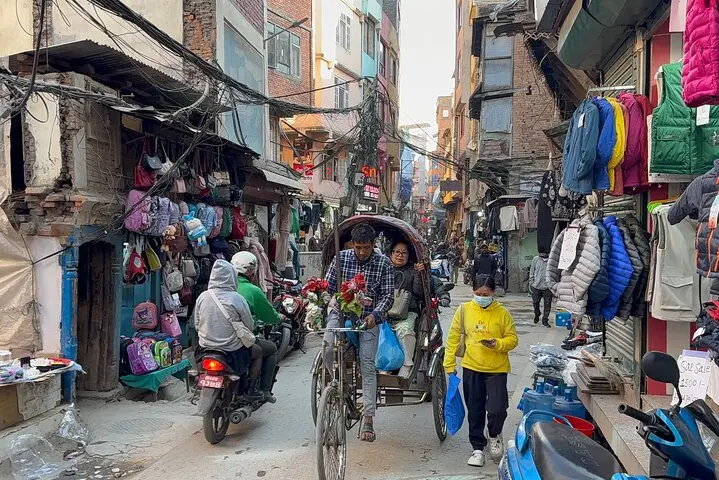
The rickshaw threads through narrow lanes as steam rises from a vendor’s pot—chiya (tea) perfumes the air and spices hang from stalls like bright, edible flags.
Verified experiences and guided adventures in the surrounding area.
Operated by Deepak Kushwaha · Kathmandu, Bagmati Province
The rickshaw threads through narrow lanes as steam rises from a vendor’s pot—chiya (tea) perfumes the air and spices hang from stalls like bright, edible flags.
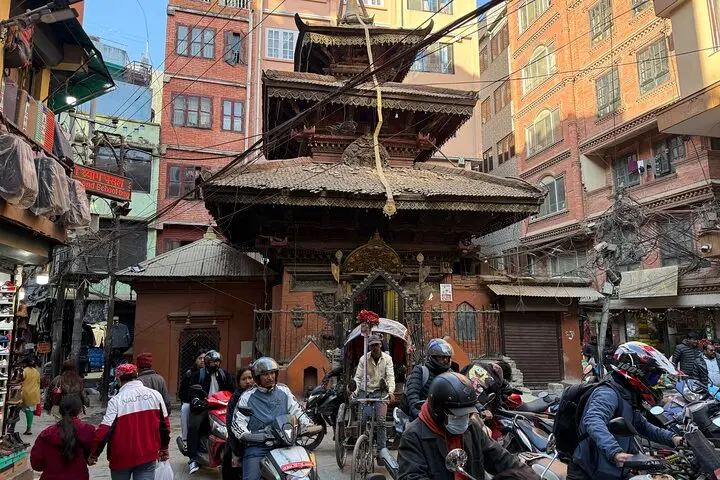
This three‑hour circuit through Thamel, Asan, Jyatha and Chhetrapati is an urban tasting route and a compact lesson in Kathmandu’s living history. The Kathmandu Valley, carved by fluvial terraces and hemmed by low hills, has been a crossroads for Newar traders for centuries; Asan Bazaar still functions as a trader’s square where spices, textiles and seasonal produce meet. Thamel grew into a backpacker quarter in the 20th century; nearby Jyatha and Chhetrapati keep older craft traditions visible in carved woodwork and courtyard teahouses.
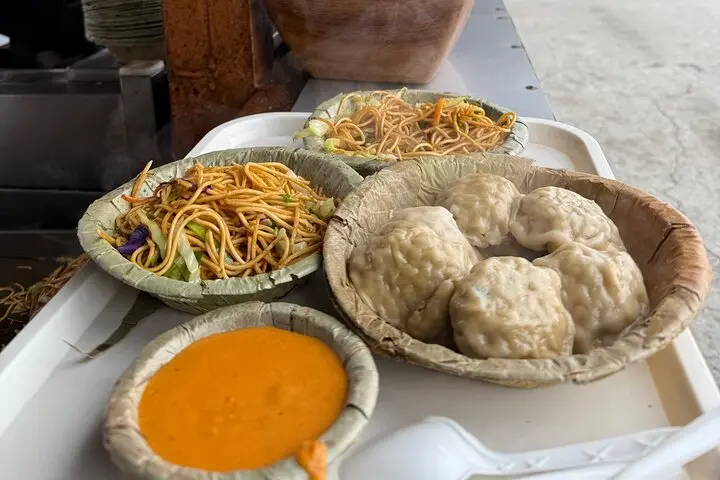
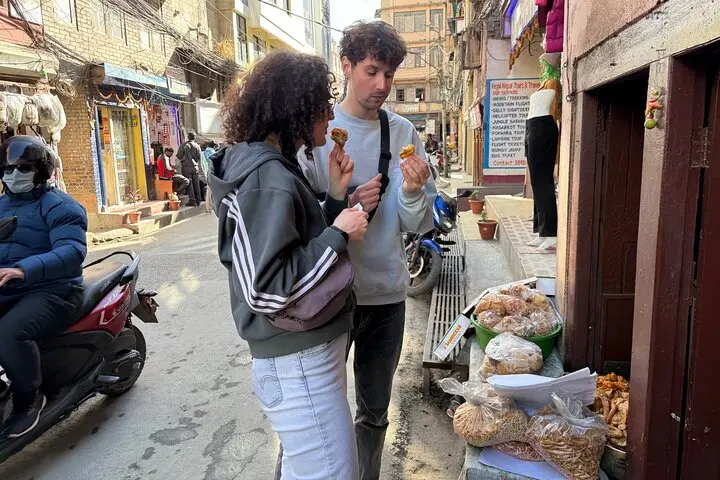
You’ll sample street momos, sweet sel roti, chiya and small curries, and weave past temples and shrine courtyards. Expect crowded alleys, bargaining vendors, and the occasional rooftop view over clay tile roofs and fluttering prayer flags.
Practical guidance: arrive hungry, carry small notes for purchases, and be ready for uneven stone alleys and motorbike traffic. The rickshaw segments are short—good for light walkers—but bring a reusable bottle and hand sanitizer. If you have dietary restrictions, tell the guide at booking; many vendors can adapt portions but cross‑contamination is common.
Timing matters: mornings are cooler and markets are active; evenings feel livelier but busier. Respect local customs—remove shoes at temple thresholds, ask before photographing people, and tip guides modestly. This tour is a fast, sensory primer on Kathmandu’s food culture—equal parts market reconnaissance and neighborhood storytelling.
Tours typically meet in a central point in Thamel; the listing notes public transport nearby and may offer pickup by request—confirm at booking.
Yes—many stops offer vegetarian options and guides can steer you to suitable dishes, but cross‑contact with meat and spices is possible.
The tour is rated easy and infant seats are noted as available, but crowded lanes and street noise may be challenging for very young children.
Full refund if cancelled at least 24 hours before departure; cancellations within 24 hours are non‑refundable according to the booking terms.
Deepak Kushwaha operates guided outdoor trips and adventures with an emphasis on safety, stewardship, and memorable experiences.
The rickshaw threads through narrow lanes as steam rises from a vendor’s pot—chiya (tea) perfumes the air and spices hang from stalls like bright, edible flags.
The rickshaw threads through narrow lanes as steam rises from a vendor’s pot—chiya (tea) perfumes the air and spices hang from stalls like bright, edible flags.
This three‑hour circuit through Thamel, Asan, Jyatha and Chhetrapati is an urban tasting route and a compact lesson in Kathmandu’s living history. The Kathmandu Valley, carved by fluvial terraces and hemmed by low hills, has been a crossroads for Newar traders for centuries; Asan Bazaar still functions as a trader’s square where spices, textiles and seasonal produce meet. Thamel grew into a backpacker quarter in the 20th century; nearby Jyatha and Chhetrapati keep older craft traditions visible in carved woodwork and courtyard teahouses.
You’ll sample street momos, sweet sel roti, chiya and small curries, and weave past temples and shrine courtyards. Expect crowded alleys, bargaining vendors, and the occasional rooftop view over clay tile roofs and fluttering prayer flags.
Practical guidance: arrive hungry, carry small notes for purchases, and be ready for uneven stone alleys and motorbike traffic. The rickshaw segments are short—good for light walkers—but bring a reusable bottle and hand sanitizer. If you have dietary restrictions, tell the guide at booking; many vendors can adapt portions but cross‑contamination is common.
Timing matters: mornings are cooler and markets are active; evenings feel livelier but busier. Respect local customs—remove shoes at temple thresholds, ask before photographing people, and tip guides modestly. This tour is a fast, sensory primer on Kathmandu’s food culture—equal parts market reconnaissance and neighborhood storytelling.