THE ADVENTURE COLLECTIVE® · Independent discovery and booking for outdoor travel

Hop the OKC Streetcar for a guided tasting through Automobile Alley, Midtown, Bricktown and Scissortail Park. This 3–4 hour tour pairs local history with four curated food stops and easy short walks between neighborhoods.
Hop the OKC Streetcar for a guided tasting through Automobile Alley, Midtown, Bricktown and Scissortail Park. This 3–4 hour tour pairs local history with four curated food stops and easy short walks between neighborhoods.
You step into Automobile Alley as the streetcar hums to life — neon signs flicker and cool air from storefront doorways meets the city heat. A guide sketches the route while the first tasting arrives: bold flavors and a quick history of Oklahoma City’s rebirth. Over the next three and a half hours the streetcar pulls you through Midtown, Bricktown and Scissortail Park, each stop offering a different slice of the city’s culinary personality.
Verified experiences and guided adventures in the surrounding area.
Operated by Oklahoma Food Tours · Oklahoma City, Oklahoma
You step into Automobile Alley as the streetcar hums to life — neon signs flicker and cool air from storefront doorways meets the city heat. A guide sketches the route while the first tasting arrives: bold flavors and a quick history of Oklahoma City’s rebirth. Over the next three and a half hours the streetcar pulls you through Midtown, Bricktown and Scissortail Park, each stop offering a different slice of the city’s culinary personality.
Automobile Alley grew from early 20th-century dealerships; its red brick facades and restored signage record the city’s transition from industrial corridor to dining district. Bricktown follows the old warehouse grid beside the canal, where warehouses were repurposed into bars and pizza ovens. Geology here is subtle — flat prairie underlain by sedimentary plains — but the North Canadian River shaped the pattern of development and the parks that relieve the urban grid.
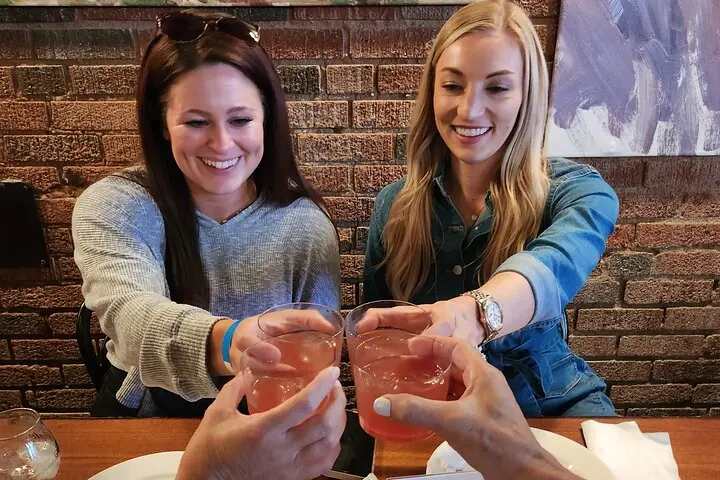
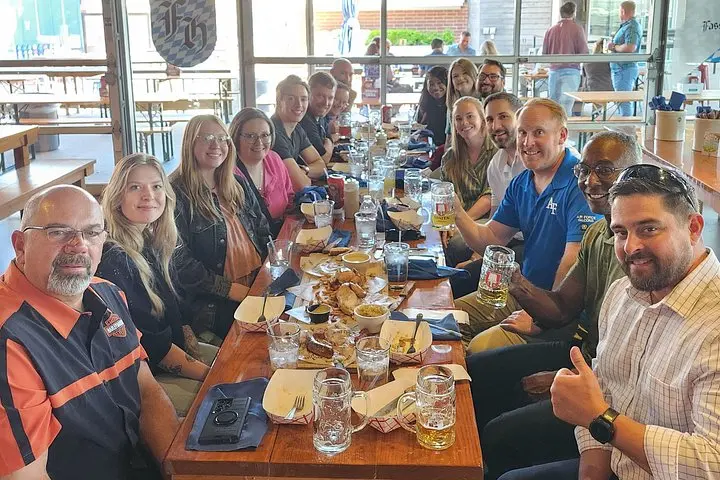
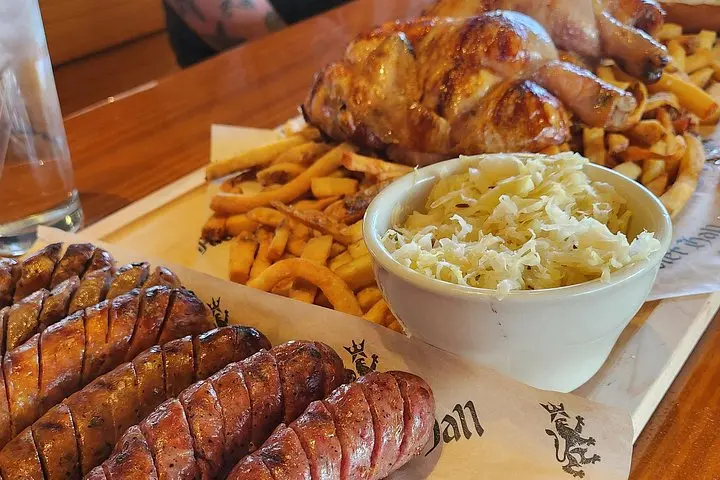
Culturally, the tour highlights OKC’s Midwestern-meets-South food identity: German-style beer halls, Detroit-style pizza, and frozen custard counters share the stage with craft brews and chef-driven small plates. Local guides weave stories about neighborhood change, public art, and the streetcar’s role in connecting districts.
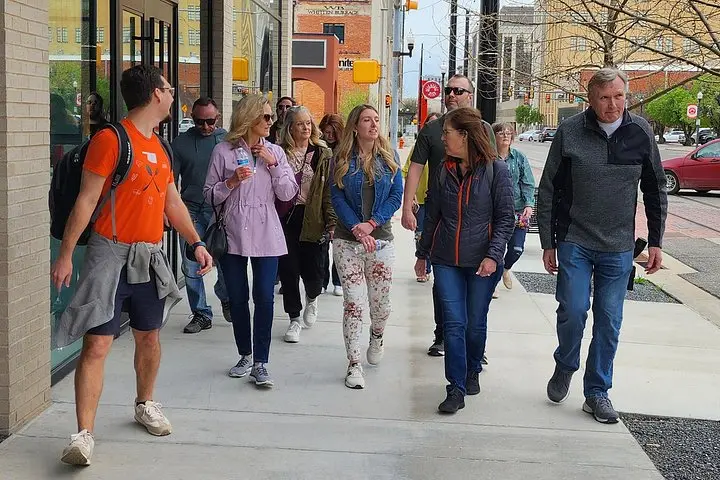
Practical guidance: wear comfortable shoes and carry a small water bottle; the streetcar covers short hops but there’s standing and light walking between stops. Bring a charged phone for photos and payment for extra drinks or souvenirs. Book at least a day ahead, arrive 10 minutes early to taste on time, and plan for mid-afternoon crowds on weekends.
The tour runs about 3.5 hours and includes four curated food stops plus short streetcar hops through multiple districts.
Yes—streetcar fare is included with the tour, so you won’t need separate tickets for transit between stops.
Inform the operator when booking and the guide will typically coordinate substitutions, but contact ahead for specific needs.
Yes—the meeting point, streetcar, and listed venues are wheelchair accessible; notify the tour operator of requirements when you reserve.
Oklahoma Food Tours operates guided outdoor trips and adventures with an emphasis on safety, stewardship, and memorable experiences.
You step into Automobile Alley as the streetcar hums to life — neon signs flicker and cool air from storefront doorways meets the city heat. A guide sketches the route while the first tasting arrives: bold flavors and a quick history of Oklahoma City’s rebirth. Over the next three and a half hours the streetcar pulls you through Midtown, Bricktown and Scissortail Park, each stop offering a different slice of the city’s culinary personality.
You step into Automobile Alley as the streetcar hums to life — neon signs flicker and cool air from storefront doorways meets the city heat. A guide sketches the route while the first tasting arrives: bold flavors and a quick history of Oklahoma City’s rebirth. Over the next three and a half hours the streetcar pulls you through Midtown, Bricktown and Scissortail Park, each stop offering a different slice of the city’s culinary personality.
Automobile Alley grew from early 20th-century dealerships; its red brick facades and restored signage record the city’s transition from industrial corridor to dining district. Bricktown follows the old warehouse grid beside the canal, where warehouses were repurposed into bars and pizza ovens. Geology here is subtle — flat prairie underlain by sedimentary plains — but the North Canadian River shaped the pattern of development and the parks that relieve the urban grid.
Culturally, the tour highlights OKC’s Midwestern-meets-South food identity: German-style beer halls, Detroit-style pizza, and frozen custard counters share the stage with craft brews and chef-driven small plates. Local guides weave stories about neighborhood change, public art, and the streetcar’s role in connecting districts.
Practical guidance: wear comfortable shoes and carry a small water bottle; the streetcar covers short hops but there’s standing and light walking between stops. Bring a charged phone for photos and payment for extra drinks or souvenirs. Book at least a day ahead, arrive 10 minutes early to taste on time, and plan for mid-afternoon crowds on weekends.