THE ADVENTURE COLLECTIVE® · Independent discovery and booking for outdoor travel

Take a motorcycle route that climbs Shiretoko Pass and traces the Okhotsk coast to Abashiri, where drift ice, fresh-market seafood, and an icebreaker cruise await. This guide covers what to expect on long winter rides and how to prepare for cold, coastal conditions.
Take a motorcycle route that climbs Shiretoko Pass and traces the Okhotsk coast to Abashiri, where drift ice, fresh-market seafood, and an icebreaker cruise await. This guide covers what to expect on long winter rides and how to prepare for cold, coastal conditions.
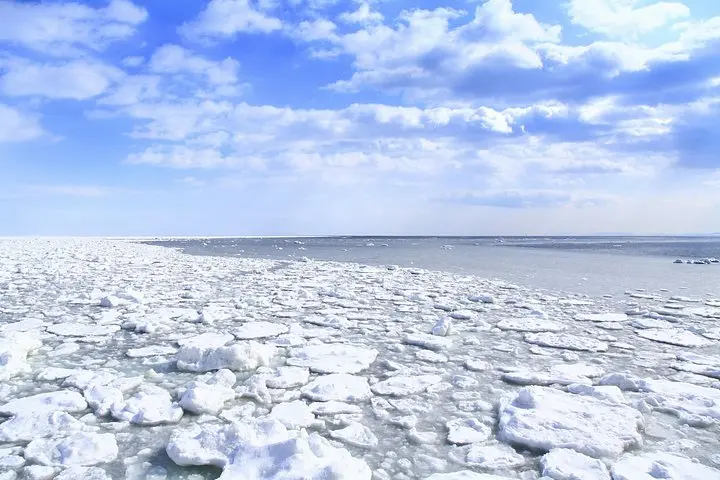
The engine settles into a steady thrum as the road climbs the Shiretoko Pass, the cold air sharpening to a metallic edge. Your motorcycle leans into wide curves and the Okhotsk Sea slides into view — a pale ribbon that dares you to follow it north. Snow cornices and wind-bent scrub punctuate the shoulder; waves push toward the coast like slow, insistent movers.
Verified experiences and guided adventures in the surrounding area.
Operated by Go Hokkaido · Kitami, Hokkaido
The engine settles into a steady thrum as the road climbs the Shiretoko Pass, the cold air sharpening to a metallic edge. Your motorcycle leans into wide curves and the Okhotsk Sea slides into view — a pale ribbon that dares you to follow it north. Snow cornices and wind-bent scrub punctuate the shoulder; waves push toward the coast like slow, insistent movers.
This route threads land and sea history: Shiretoko, recognized as a UNESCO World Heritage site in 2005, preserves volcanic ridges and primeval forests carved by glacial and tectonic forces. Coastal fishing hamlets along the Okhotsk still run on seasonal rhythms — drift ice in winter, plankton blooms in summer — and their markets are where Hokkaido’s seafood culture becomes a practical, delicious ritual.
Expect varied geology under tire: smooth paved passes around 700–750 m in elevation, then lower rocky promontories where basalt and volcanic ash meet the surf. Wildlife watches from the margins — sea eagles riding on wind, seals between floes — so keep speed sensible and eyes open.
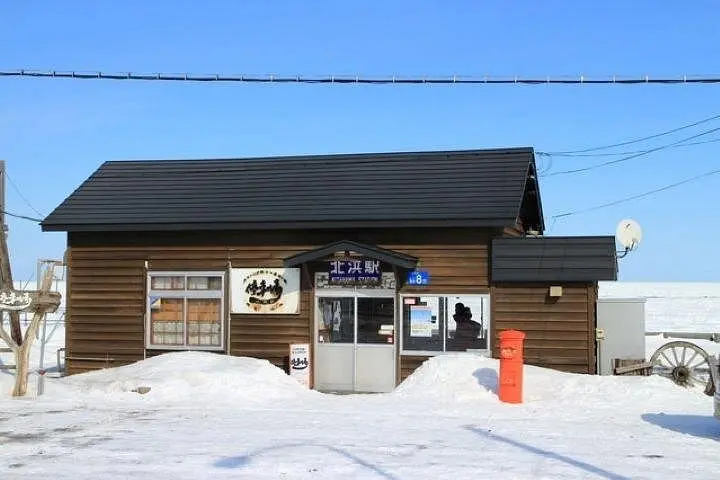
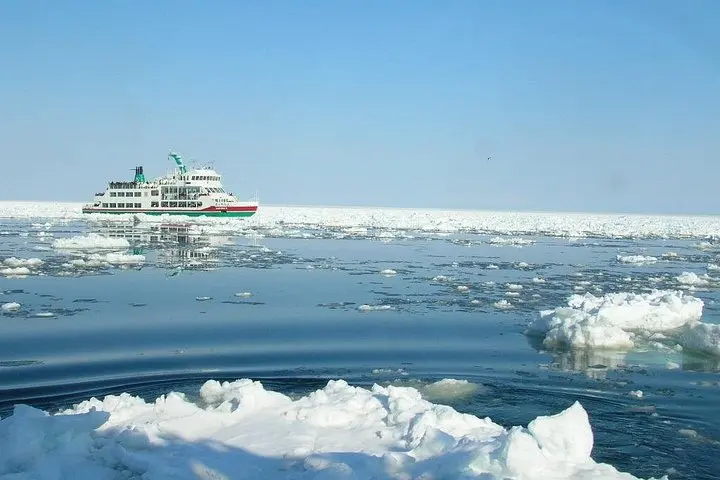
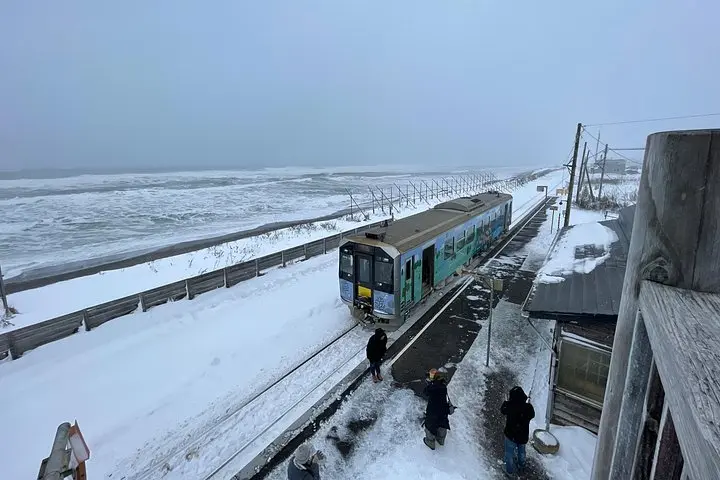
Practical edge: the experience often combines riding with regional trains and a drift-ice icebreaker from Abashiri (midday boarding typical). Temperatures can be below freezing in drift-ice season; layers, windproof outer shells, and motorcycle-specific cold protection matter. Plan for a long day with luggage left at station lockers or overnight in Kitami. Bookings may include breakfasts, lunch, hotel night, and icebreaker fees, but always confirm inclusions and any license requirements with the operator before you roll out.
A valid motorcycle license is required to ride; some operators allow passengers—confirm whether you'll be riding or joining as a pillion when booking.
Peak drift-ice season runs from late January through March; ice conditions and visibility are weather-dependent, so expect potential itinerary changes.
Common inclusions are one-night hotel in Kitami, breakfast, lunch, train transfers, and the Aurora drift-ice icebreaker boarding fee—confirm final inclusions with the operator before departure.
Yes—Abashiri Station provides coin-operated lockers (around JPY 600); larger bags may require different arrangements, so prepare accordingly.
Go Hokkaido operates guided outdoor trips and adventures with an emphasis on safety, stewardship, and memorable experiences.
The engine settles into a steady thrum as the road climbs the Shiretoko Pass, the cold air sharpening to a metallic edge. Your motorcycle leans into wide curves and the Okhotsk Sea slides into view — a pale ribbon that dares you to follow it north. Snow cornices and wind-bent scrub punctuate the shoulder; waves push toward the coast like slow, insistent movers.
The engine settles into a steady thrum as the road climbs the Shiretoko Pass, the cold air sharpening to a metallic edge. Your motorcycle leans into wide curves and the Okhotsk Sea slides into view — a pale ribbon that dares you to follow it north. Snow cornices and wind-bent scrub punctuate the shoulder; waves push toward the coast like slow, insistent movers.
This route threads land and sea history: Shiretoko, recognized as a UNESCO World Heritage site in 2005, preserves volcanic ridges and primeval forests carved by glacial and tectonic forces. Coastal fishing hamlets along the Okhotsk still run on seasonal rhythms — drift ice in winter, plankton blooms in summer — and their markets are where Hokkaido’s seafood culture becomes a practical, delicious ritual.
Expect varied geology under tire: smooth paved passes around 700–750 m in elevation, then lower rocky promontories where basalt and volcanic ash meet the surf. Wildlife watches from the margins — sea eagles riding on wind, seals between floes — so keep speed sensible and eyes open.
Practical edge: the experience often combines riding with regional trains and a drift-ice icebreaker from Abashiri (midday boarding typical). Temperatures can be below freezing in drift-ice season; layers, windproof outer shells, and motorcycle-specific cold protection matter. Plan for a long day with luggage left at station lockers or overnight in Kitami. Bookings may include breakfasts, lunch, hotel night, and icebreaker fees, but always confirm inclusions and any license requirements with the operator before you roll out.