THE ADVENTURE COLLECTIVE® · Independent discovery and booking for outdoor travel

Hop aboard a motorized bamboo platform and cross rice fields, visit an 11th-century temple, and watch millions of bats pour from cave mouths at dusk. This full-day Battambang tour combines rural ingenuity, Khmer history, and hands-on market visits.
Hop aboard a motorized bamboo platform and cross rice fields, visit an 11th-century temple, and watch millions of bats pour from cave mouths at dusk. This full-day Battambang tour combines rural ingenuity, Khmer history, and hands-on market visits.
A low-slung bamboo platform hums into motion as the countryside unspools—rice paddies ripple, water buffalo lift their heads, and a single-engine motor pushes you along rusted rails. The Battambang bamboo train is less a novelty and more a practiced improvisation: villagers, tourists, and farmers sharing a quirky, efficient link across abandoned track.
Verified experiences and guided adventures in the surrounding area.
Operated by Easy Angkor Trip · Battambang, Battambang Province
A low-slung bamboo platform hums into motion as the countryside unspools—rice paddies ripple, water buffalo lift their heads, and a single-engine motor pushes you along rusted rails. The Battambang bamboo train is less a novelty and more a practiced improvisation: villagers, tourists, and farmers sharing a quirky, efficient link across abandoned track.
The tour threads history and landscape. The improvised 'norry' grew from local need on colonial-era lines left to time; today it’s a living example of Cambodian ingenuity. Nearby Wat Ek Phnom is an 11th-century Khmer temple with sandstone carvings that predate Angkor’s great complexes, while Phnom Sampeau’s limestone ridgeline holds both Buddhist shrines and the somber Khmer Rouge killing caves. At dusk, millions of tiny wings erupt from cave mouths—bats that sculpt the evening sky and offer a dramatic wildlife show.
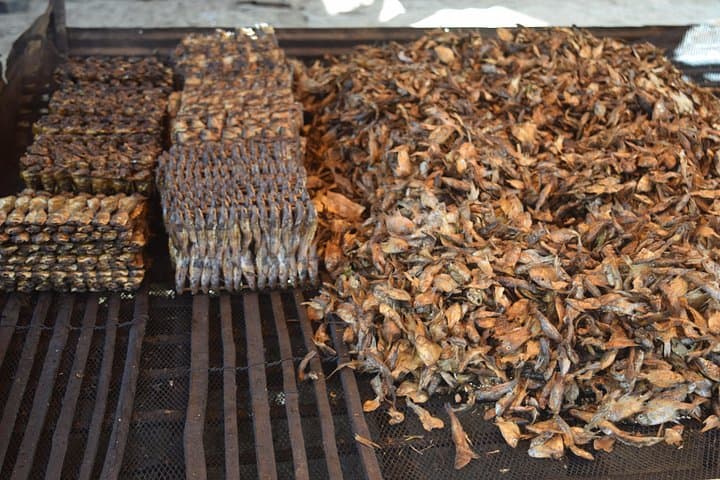
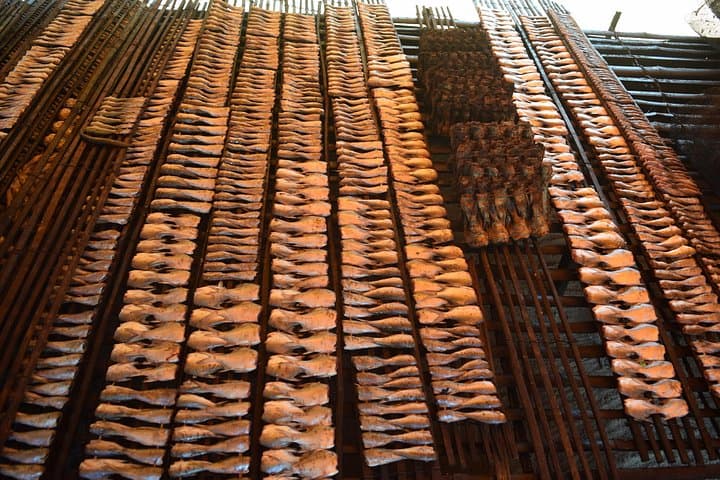
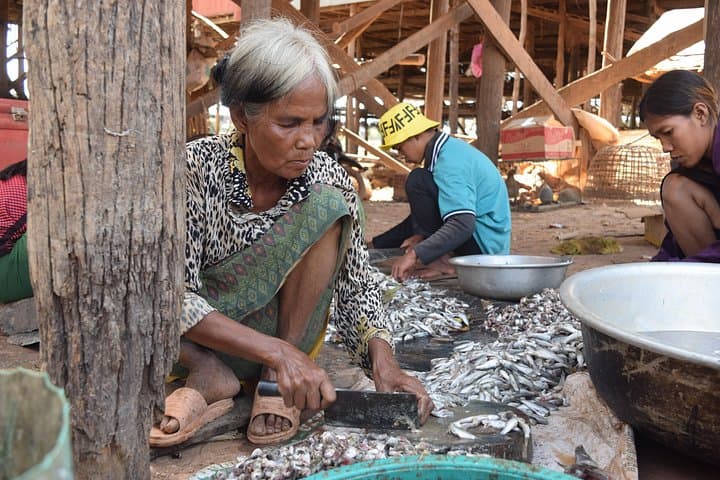
Expect easy walking, short climbs to viewpoints, and time in markets and villages where rice paper and prahok are still made by hand. The day runs long—typically 8–11 hours—so plan for sun, dust, and crowds at popular stops. Practicalities: carry local cash for small purchases, bring insect repellent and sun protection, and wear sturdy closed-toe shoes for temple steps and uneven rail sidings. Be respectful at religious sites: modest clothing and quiet behavior matter.
This is a full-day cultural and rural ride—part history lesson, part photo expedition—best for travelers who value hands-on local experiences and don't mind rustic conditions.
The norry is a low-speed, locally operated vehicle; it’s considered safe when operated by experienced drivers, but be mindful of open sides and follow driver instructions.
Typical itineraries run about 8–11 hours and are offered as full-day private tours with pickup and drop-off in Battambang.
Yes—weather permitting, bats emerge nightly around dusk, but timing and visibility vary with season and moonlight.
Inclusions vary by operator; this tour commonly includes transport, guide, and water, but expect to pay separately for temple admissions, meals, and market purchases.
Easy Angkor Trip operates guided outdoor trips and adventures with an emphasis on safety, stewardship, and memorable experiences.
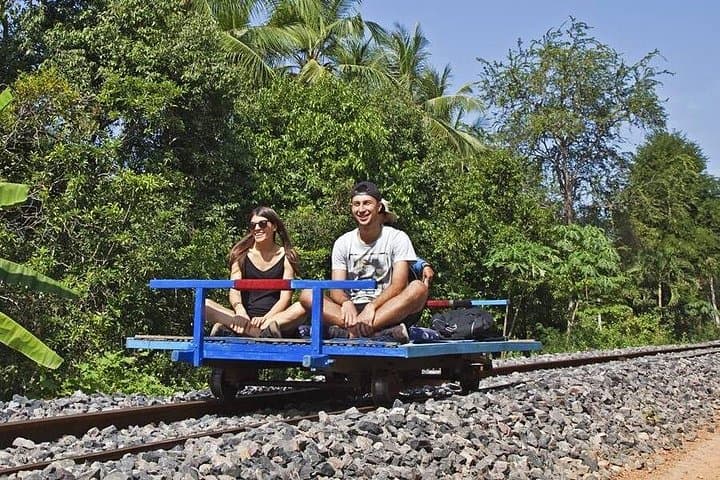
A low-slung bamboo platform hums into motion as the countryside unspools—rice paddies ripple, water buffalo lift their heads, and a single-engine motor pushes you along rusted rails. The Battambang bamboo train is less a novelty and more a practiced improvisation: villagers, tourists, and farmers sharing a quirky, efficient link across abandoned track.
A low-slung bamboo platform hums into motion as the countryside unspools—rice paddies ripple, water buffalo lift their heads, and a single-engine motor pushes you along rusted rails. The Battambang bamboo train is less a novelty and more a practiced improvisation: villagers, tourists, and farmers sharing a quirky, efficient link across abandoned track.
The tour threads history and landscape. The improvised 'norry' grew from local need on colonial-era lines left to time; today it’s a living example of Cambodian ingenuity. Nearby Wat Ek Phnom is an 11th-century Khmer temple with sandstone carvings that predate Angkor’s great complexes, while Phnom Sampeau’s limestone ridgeline holds both Buddhist shrines and the somber Khmer Rouge killing caves. At dusk, millions of tiny wings erupt from cave mouths—bats that sculpt the evening sky and offer a dramatic wildlife show.
Expect easy walking, short climbs to viewpoints, and time in markets and villages where rice paper and prahok are still made by hand. The day runs long—typically 8–11 hours—so plan for sun, dust, and crowds at popular stops. Practicalities: carry local cash for small purchases, bring insect repellent and sun protection, and wear sturdy closed-toe shoes for temple steps and uneven rail sidings. Be respectful at religious sites: modest clothing and quiet behavior matter.
This is a full-day cultural and rural ride—part history lesson, part photo expedition—best for travelers who value hands-on local experiences and don't mind rustic conditions.