THE ADVENTURE COLLECTIVE® · Independent discovery and booking for outdoor travel

Ride a Daladala from Moshi to Chemka (Maji Moto) and spend a day swimming in clear, warm pools, sampling Chipsi Mayai, and exploring a small local market. This is a low-key cultural and water-activity experience best enjoyed early to avoid crowds and afternoon rains.
Ride a Daladala from Moshi to Chemka (Maji Moto) and spend a day swimming in clear, warm pools, sampling Chipsi Mayai, and exploring a small local market. This is a low-key cultural and water-activity experience best enjoyed early to avoid crowds and afternoon rains.
You meet at a highway market before dawn, the air thick with frying oil and vendors calling out fresh fruit. A Daladala pulls up—music spilling from its doors—and you climb aboard, shoulder to shoulder with traders and students, the road punctuated by laughter and the clack of cargo. The drive shrinks the outskirts of Moshi until the river appears like a bright vein through scrub, and the springs—known locally as Maji Moto or Chemka—unfurl in turquoise against red soil.
Verified experiences and guided adventures in the surrounding area.
Operated by Wadudu Home & Adventure · Moshi, Kilimanjaro
You meet at a highway market before dawn, the air thick with frying oil and vendors calling out fresh fruit. A Daladala pulls up—music spilling from its doors—and you climb aboard, shoulder to shoulder with traders and students, the road punctuated by laughter and the clack of cargo. The drive shrinks the outskirts of Moshi until the river appears like a bright vein through scrub, and the springs—known locally as Maji Moto or Chemka—unfurl in turquoise against red soil.
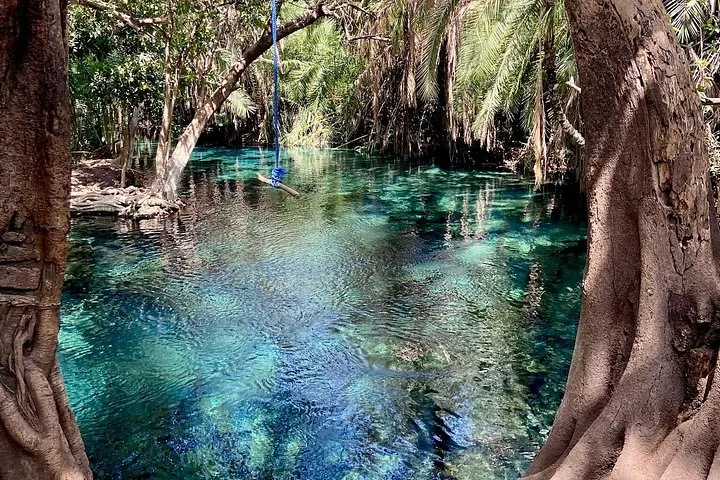
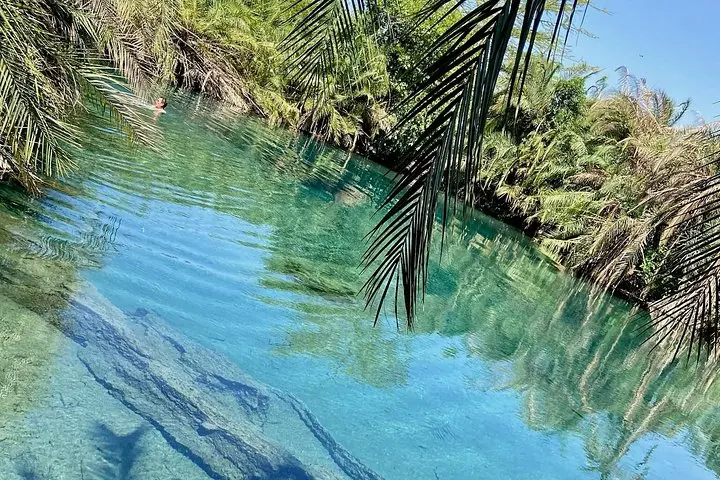
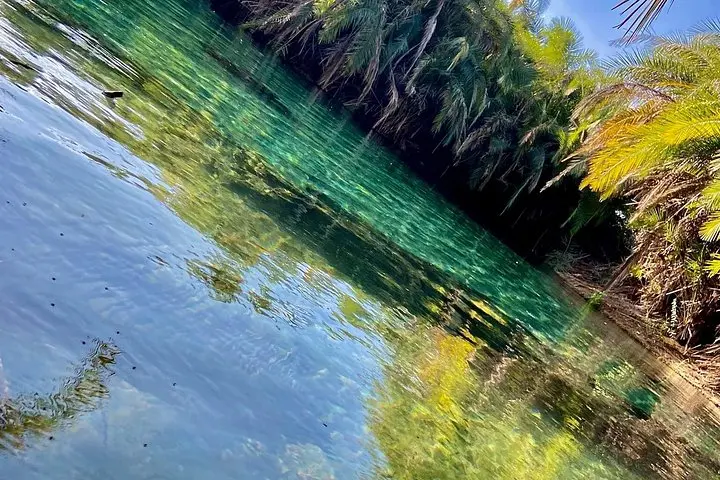
Geology here is simple and honest: groundwater heated deep underground surfaces through limestone and volcanic tuff, producing clear, warm pools framed by figs and fever trees. Culturally, Chemka is a meeting place—locals picnic, vendors sell grilled maize and crafts, and Chipsi Mayai (a potato-and-egg specialty) is the unofficial post-swim reward.
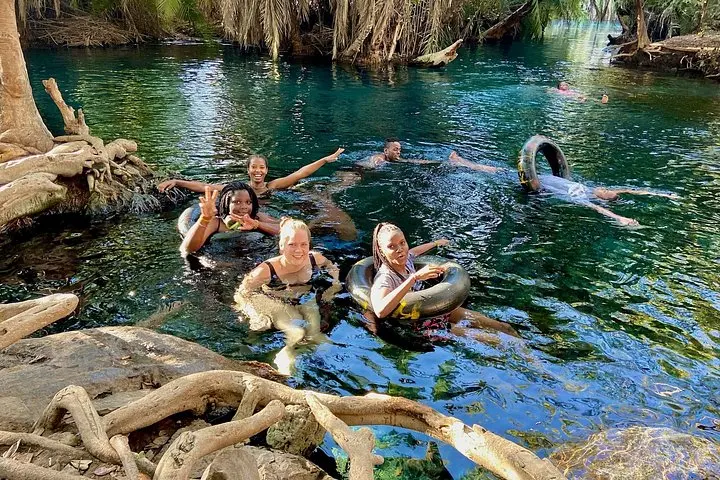
Expect a relaxed day: short walks on sandy paths, natural pool swims, rope swings and shallow ledges for jumping. Small fish nibble at tired toes; birds patrol the canopy. There’s a modest market on site and simple picnic benches rather than fancy facilities.
Practical notes: plan for a full-day excursion (4–9 hours depending on transport), bring cash for daladala and market purchases, and wear water shoes for slippery rocks. Arrive in the morning to avoid crowds and mid-afternoon rains in the long rains season. Respect local norms—modest swimwear is appreciated—and pack out trash. The springs reward curiosity: cool shade, warm water that seems to slow conversation, and the honest pleasure of traveling like a local.
Most tours use a combination of daladala (shared minibus) and short tuktuk rides; private transfers can be arranged but the local route is part of the experience.
Yes—water is clear and generally calm, but enter slowly, watch for slippery rocks, and supervise children; there are shallow spots and deeper swim holes.
Typical itineraries include Chipsi Mayai (a local potato-and-egg dish) and bottled water; additional snacks and souvenirs are available at on-site vendors.
Yes—the site is popular with families; there are picnic areas and shallow sections suitable for children, but parents should remain attentive near deeper pools.
Wadudu Home & Adventure operates guided outdoor trips and adventures with an emphasis on safety, stewardship, and memorable experiences.
You meet at a highway market before dawn, the air thick with frying oil and vendors calling out fresh fruit. A Daladala pulls up—music spilling from its doors—and you climb aboard, shoulder to shoulder with traders and students, the road punctuated by laughter and the clack of cargo. The drive shrinks the outskirts of Moshi until the river appears like a bright vein through scrub, and the springs—known locally as Maji Moto or Chemka—unfurl in turquoise against red soil.
You meet at a highway market before dawn, the air thick with frying oil and vendors calling out fresh fruit. A Daladala pulls up—music spilling from its doors—and you climb aboard, shoulder to shoulder with traders and students, the road punctuated by laughter and the clack of cargo. The drive shrinks the outskirts of Moshi until the river appears like a bright vein through scrub, and the springs—known locally as Maji Moto or Chemka—unfurl in turquoise against red soil.
Geology here is simple and honest: groundwater heated deep underground surfaces through limestone and volcanic tuff, producing clear, warm pools framed by figs and fever trees. Culturally, Chemka is a meeting place—locals picnic, vendors sell grilled maize and crafts, and Chipsi Mayai (a potato-and-egg specialty) is the unofficial post-swim reward.
Expect a relaxed day: short walks on sandy paths, natural pool swims, rope swings and shallow ledges for jumping. Small fish nibble at tired toes; birds patrol the canopy. There’s a modest market on site and simple picnic benches rather than fancy facilities.
Practical notes: plan for a full-day excursion (4–9 hours depending on transport), bring cash for daladala and market purchases, and wear water shoes for slippery rocks. Arrive in the morning to avoid crowds and mid-afternoon rains in the long rains season. Respect local norms—modest swimwear is appreciated—and pack out trash. The springs reward curiosity: cool shade, warm water that seems to slow conversation, and the honest pleasure of traveling like a local.